Sun tattoo
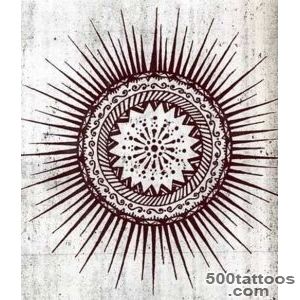
Sun tattoos channel the energy source that powers all life on Earth. Across world mythologies the sun represents vitality, truth, and the cycle of day and night. From Egyptian Ra to Aztec Tonatiuh, solar imagery offers tattoo artists a symbol that is both ancient and universally understood.
Solar mythology: Ra, Helios, and Tonatiuh
The Egyptian sun god Ra sailed a barque across the sky each day and battled the serpent Apophis each night. Greek Helios drove a chariot of fire. The Aztec sun stone depicts Tonatiuh at the center of cosmic cycles. Each tradition gives the sun tattoo a distinct cultural flavor-choose the mythology that resonates with your personal story.
Tribal, mandala, and realistic sun designs
Tribal suns use bold black rays radiating from a central disc, sometimes incorporating Polynesian or Aztec patterning. Mandala suns layer petal-like rays with intricate dotwork and sacred geometry. Realistic suns render corona flares, surface texture, and warm gradients from yellow through orange to deep red. Each style carries a different emotional weight.
Sunrise, sunset, and sun-and-moon pairings
A half sun on the horizon captures the transition between day and night, symbolizing change and new beginnings. Sun-and-moon tattoos unite opposites-light and dark, conscious and subconscious-in a single composition. The two celestial bodies can share a face, overlap, or occupy opposite sides of the body for a matched pair.
Placement and sizing for sun tattoos
The circular shape of a sun centers naturally on the shoulder, chest, or upper back. Smaller suns fit the wrist, ankle, or behind the ear. Elongated sunrise scenes stretch along the forearm or collarbone. Full-back sun mandalas use the spine as a central axis for symmetrical ray patterns radiating outward.
Sun tattoo designs and images