Celtic tattoos
What makes a tattoo "Celtic"
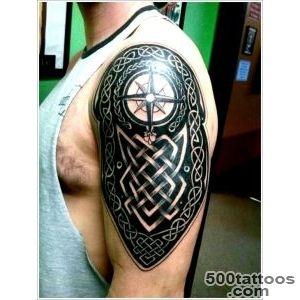
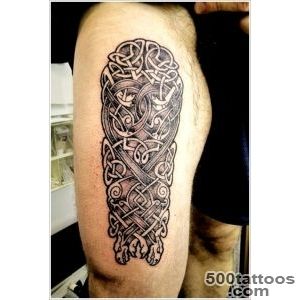
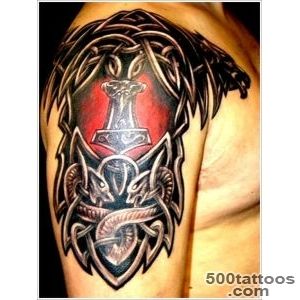
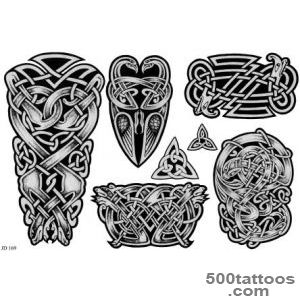
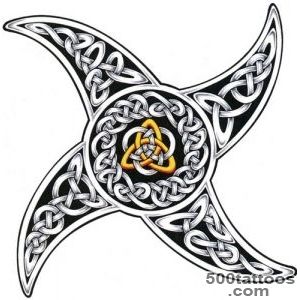
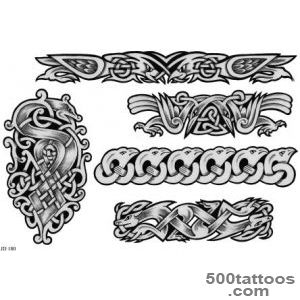
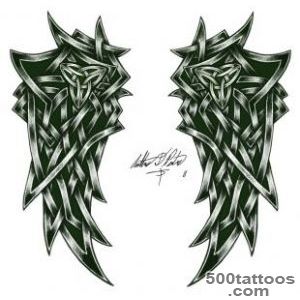
Celtic tattoos draw from the visual traditions of ancient Celtic peoples (Irish, Scottish, Welsh, Breton, and others). Key characteristics include interlaced knotwork where lines weave over and under each other without beginning or end, spirals, and stylized animals or figures. Authentic Celtic design has mathematical precision-the weaving follows consistent rules.
Common Celtic symbols and their meanings
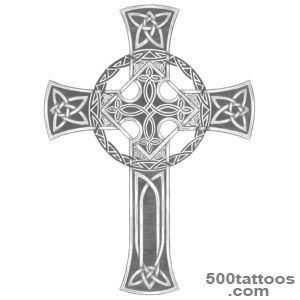
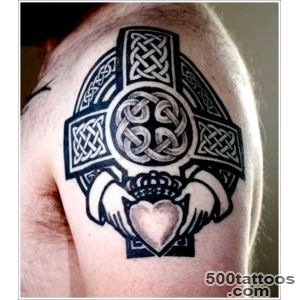
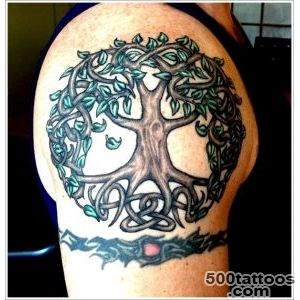
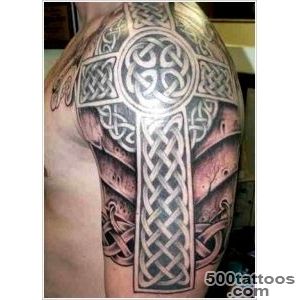
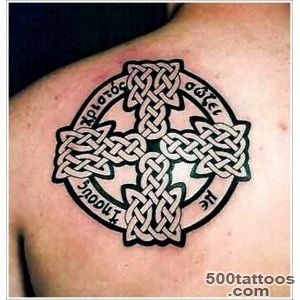
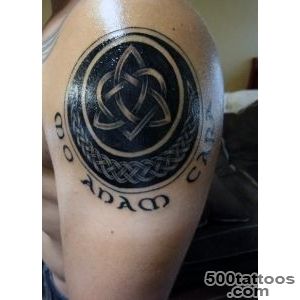
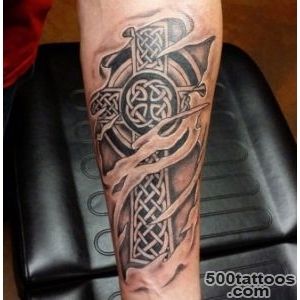
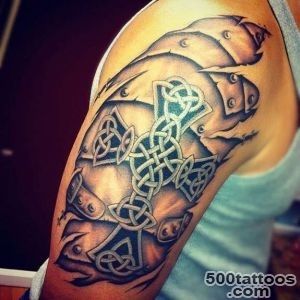
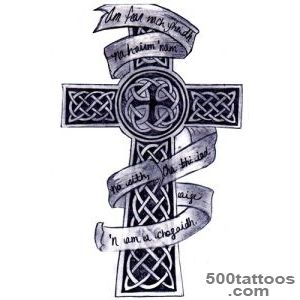
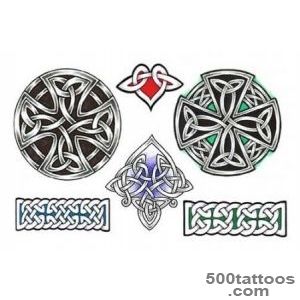
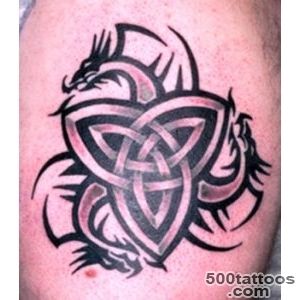
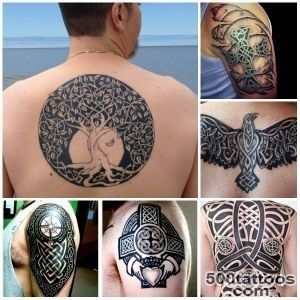
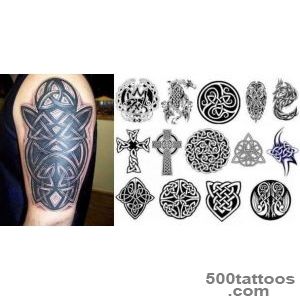
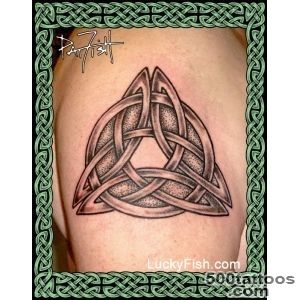
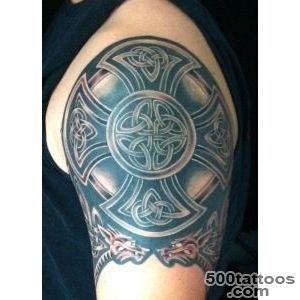
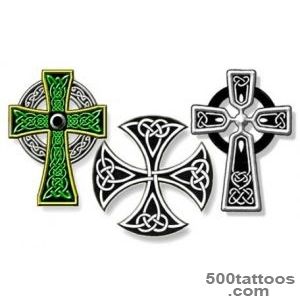
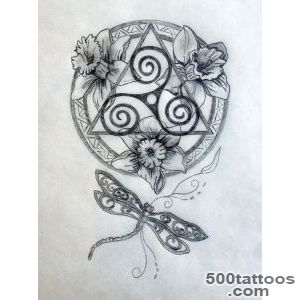
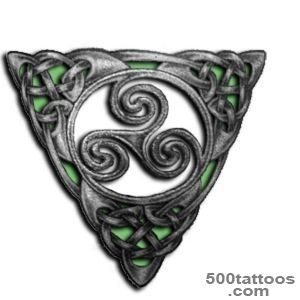
The triquetra (three-pointed knot) represents trinity concepts-land/sea/sky, life/death/rebirth, or Christian trinity. The Celtic cross combines a cross with a circle, representing faith and eternity. Spirals suggest growth and cycles. The tree of life connects worlds. The Claddagh combines heart, hands, and crown for love, friendship, and loyalty. Meanings vary by source, so research before claiming specific symbolism.
Knotwork: endless lines and interlace
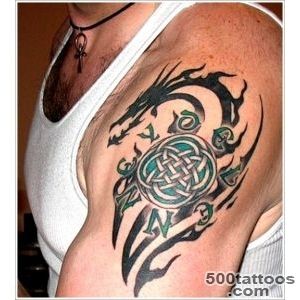
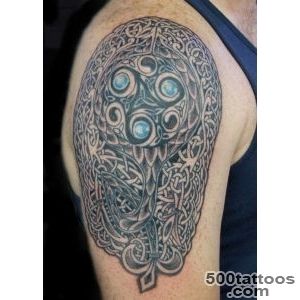
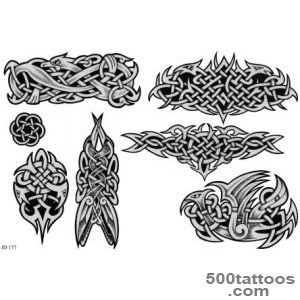
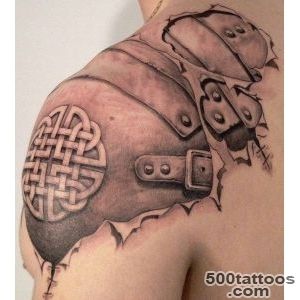
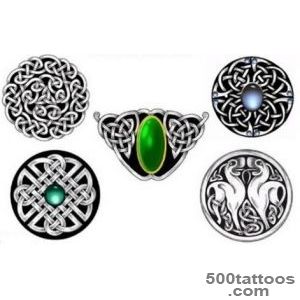
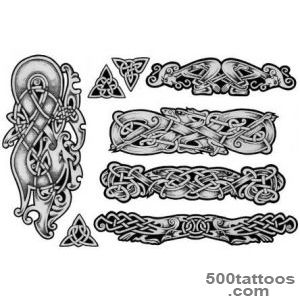
True Celtic knotwork uses a single line (or a small number of lines) that weaves continuously without breaks. This "endless" quality symbolizes eternity and interconnection. Quality Celtic tattoos maintain consistent over-under patterns throughout. Poorly executed knotwork has breaks or inconsistent weaving-details matter in this style.
Animals in Celtic design
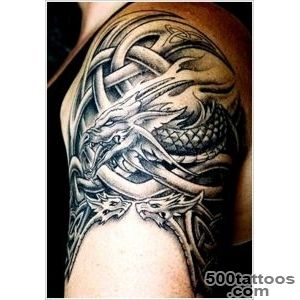
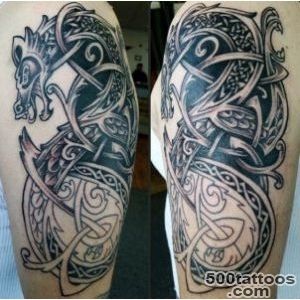
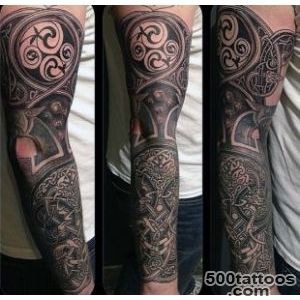
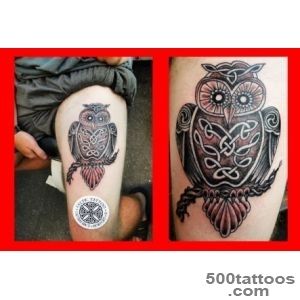
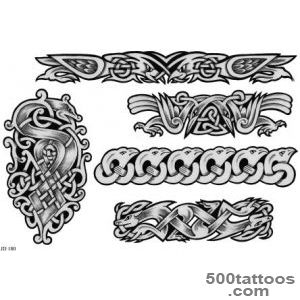
Celtic zoomorphic designs feature stylized animals-dogs, birds, serpents, horses-rendered with interlaced bodies and knotwork elements. These aren't realistic portraits but symbolic representations. Dogs often symbolize loyalty, birds represent the soul or messenger role, serpents suggest transformation.
Placement and composition
Celtic bands wrap naturally around arms, legs, and wrists. Panel designs work well on shoulders, back, or chest. Circular designs (crosses, knots) suit flat areas. Because knotwork requires precision, choose a placement where the design won't distort significantly with movement. Larger sizes allow more intricate interlace.
Linework and aging
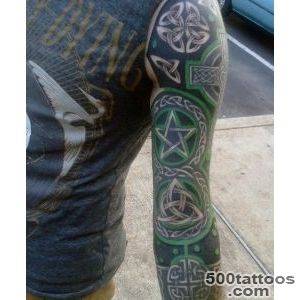
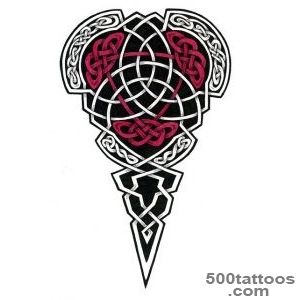
Celtic tattoos rely on clean, consistent lines. Thin, tight knotwork can blur together over time. Build in adequate spacing between lines-your artist should know how much room the design needs to age well. Black ink holds best; adding color should be intentional and not crowd the linework.
Celtic tattoos designs and images