Color tattoos
Why choose color tattoos
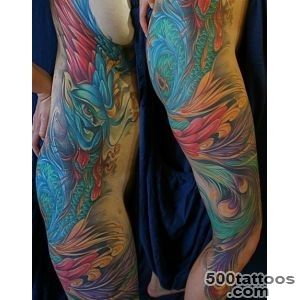
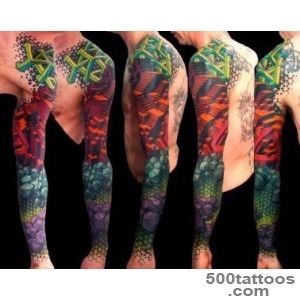
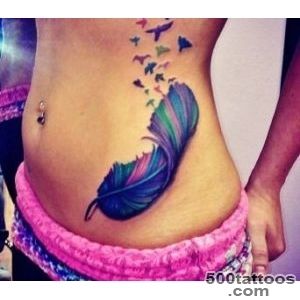
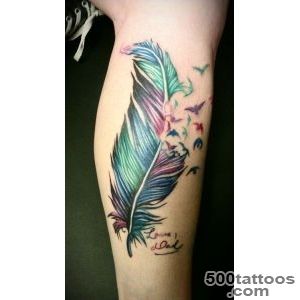
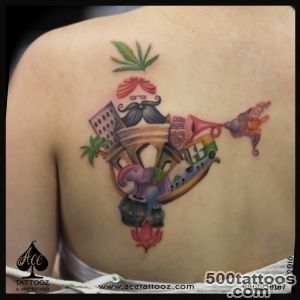
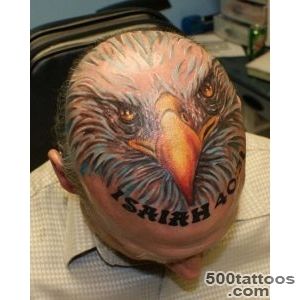
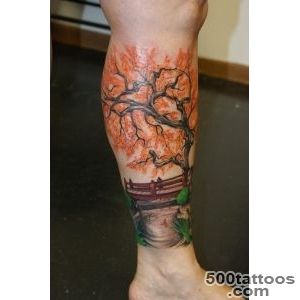
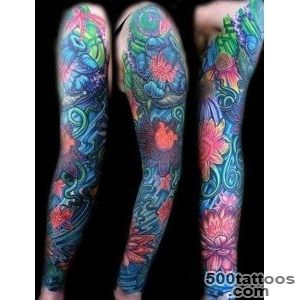
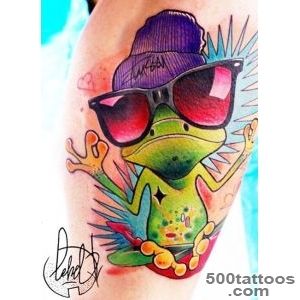
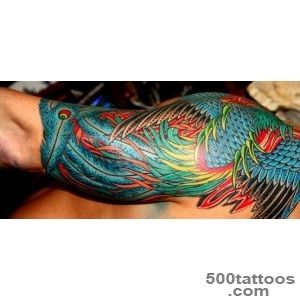
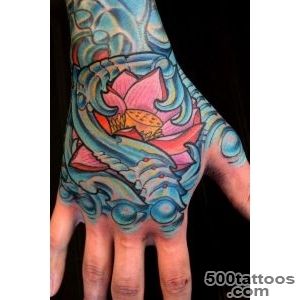
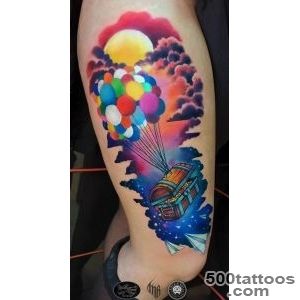
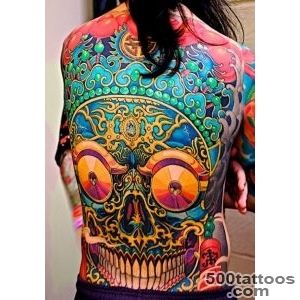
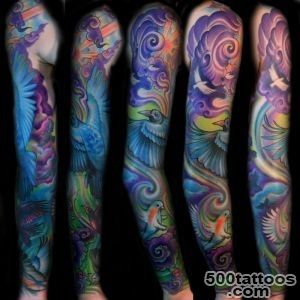
Color tattoos are a direct way to show personality and mood, letting you wear emotion on your skin instead of keeping it only in your head. For many people, choosing color is about self-expression and the desire for a design that feels alive in any light. While black tattoos rely on contrast and linework, color pieces can capture atmosphere, depth, and vibrancy.
Popular color tattoo styles
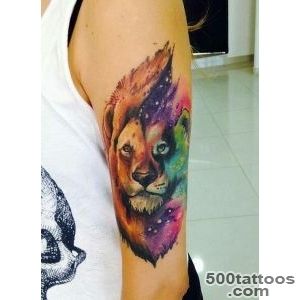
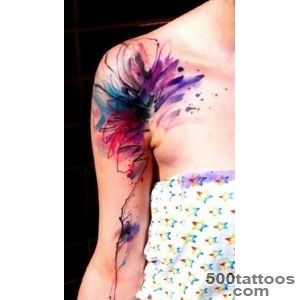
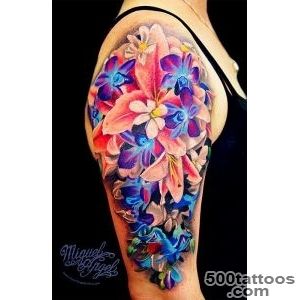
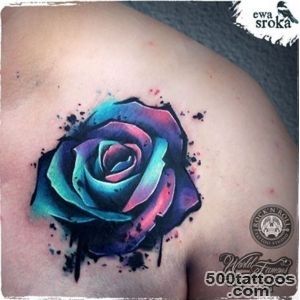
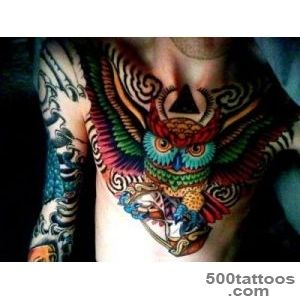
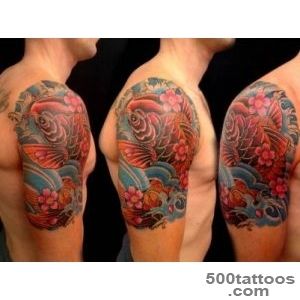
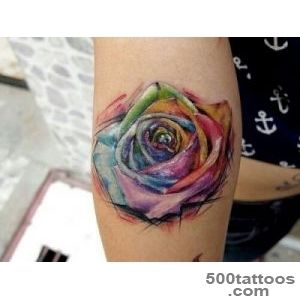
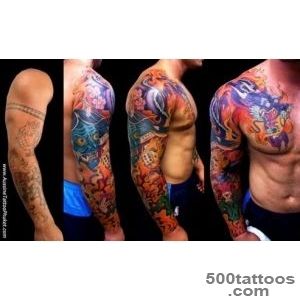
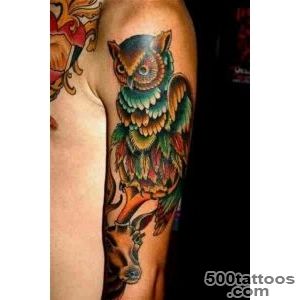
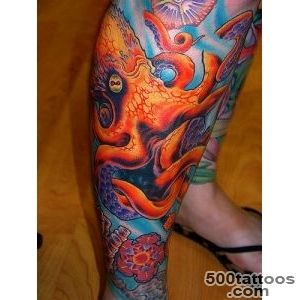
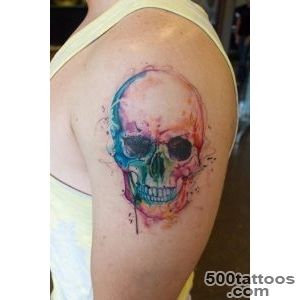
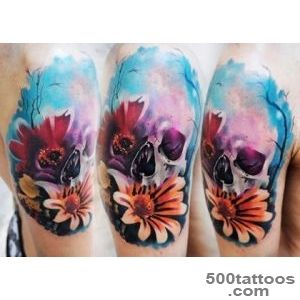
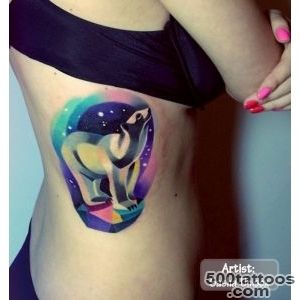
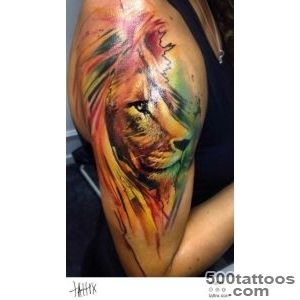
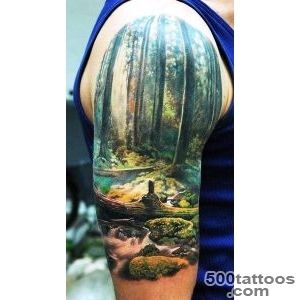
Watercolor effects can look airy and artistic, realism can create depth and believable shading, and fine-line color details feel modern and understated. Traditional American style uses bold outlines and limited color palettes that age well. Neo-traditional expands on this with more color variety and illustrative detail. Even if you love bright tones, a touch of blackwork outline can anchor the design so it stays readable as it ages.
How color tattoos age
Color tattoos require more maintenance than black and gray work. Lighter colors like yellow, pink, and white fade faster than darker shades. Sun exposure accelerates fading significantly, so sunscreen becomes essential once the tattoo heals. Quality ink, proper saturation during application, and good aftercare all affect long-term vibrancy.
Skin tone and color selection
Skin tone affects how colors appear after healing. Lighter skin shows a wider range of colors clearly, while darker skin may need bolder, more saturated tones for the same impact. A skilled artist can advise which colors will read best on your specific skin tone and adjust the palette accordingly.
Placement considerations for color work
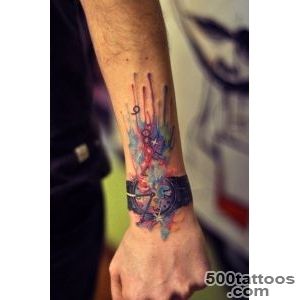
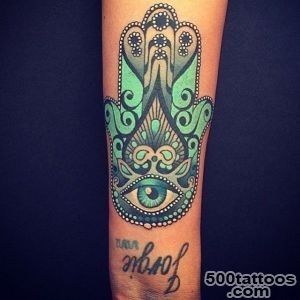
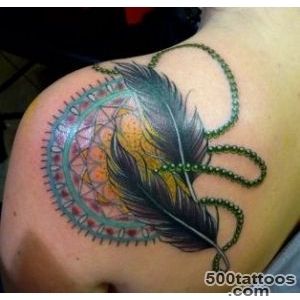
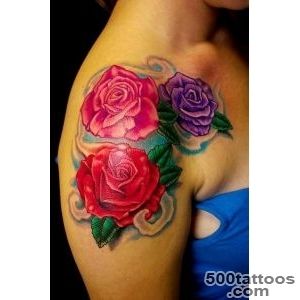
The forearm is popular because colors are easy to enjoy and show, while the upper arm and shoulder offer a larger canvas and can be easier to cover. A wrist placement can work for small colorful symbols, but frequent washing and friction can affect how the pigment settles. Areas with more sun exposure may need extra protection.
Planning and aftercare
Plan for a size that leaves room for gradients, protect the tattoo from sun during healing, and remember the wrist can feel more intense; good aftercare helps color heal smoother and fade more evenly. Multiple sessions may be needed for heavily saturated pieces.
Color tattoos designs and images