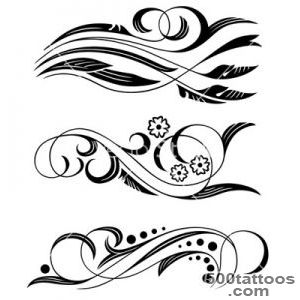
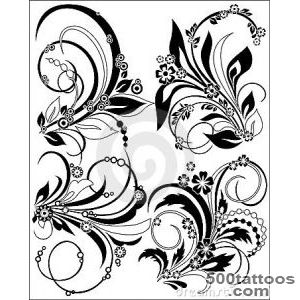
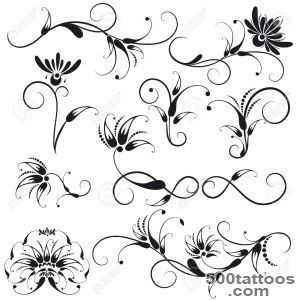
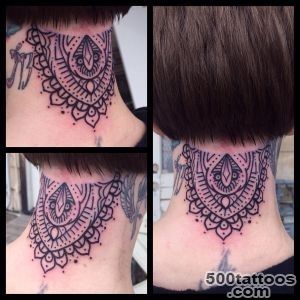
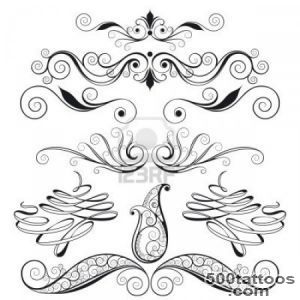
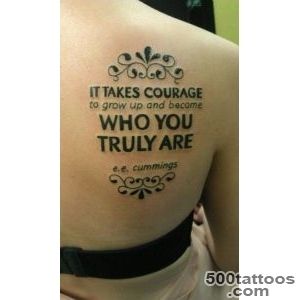
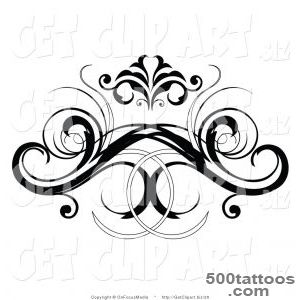
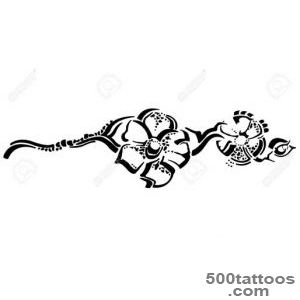
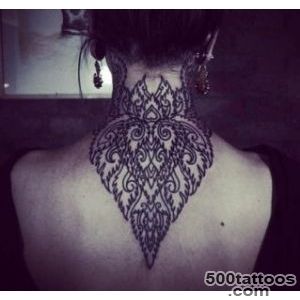
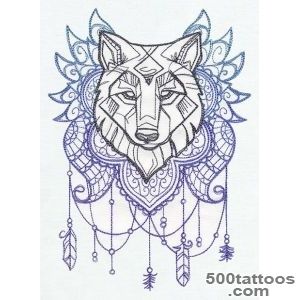
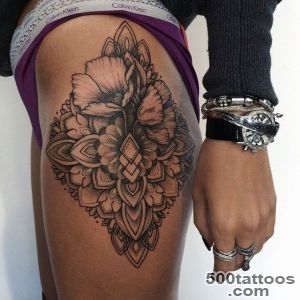
Decorative tattoo
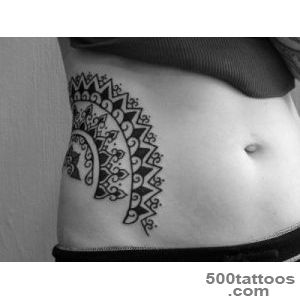
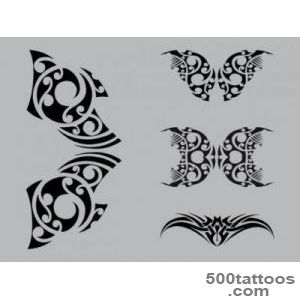
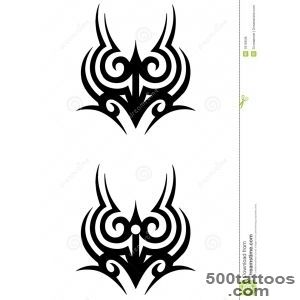
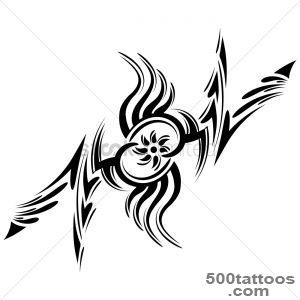
Decorative tattoos are chosen primarily for how they look-not for a fixed "meaning." Drawing on Celtic knotwork or symmetrical patterns are popular starting points if you want an ornamental accent or a design that follows the body's lines. The key is flow: a decorative tattoo should look like it belongs on the placement you choose.
What "Decorative Tattoo" Means
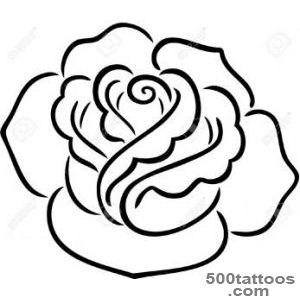
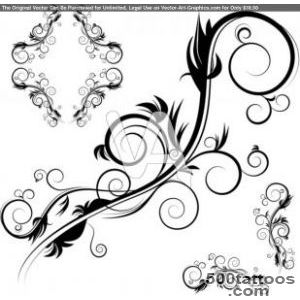
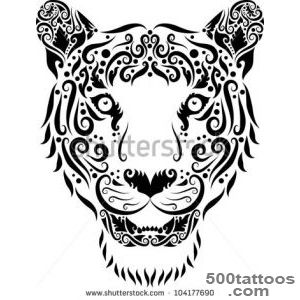
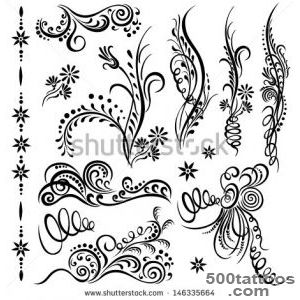
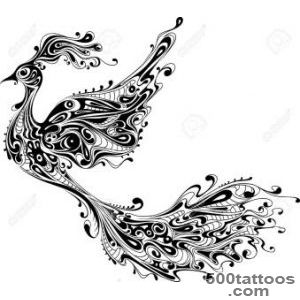
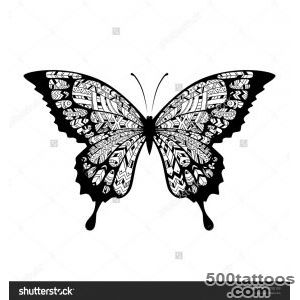
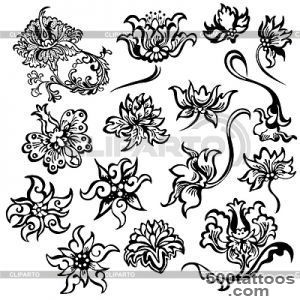
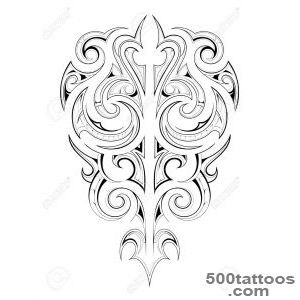
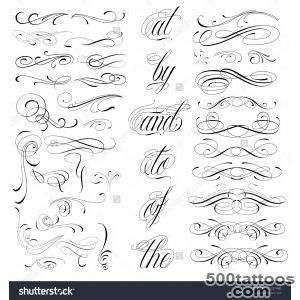
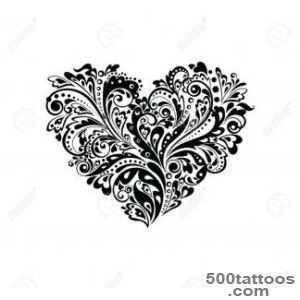
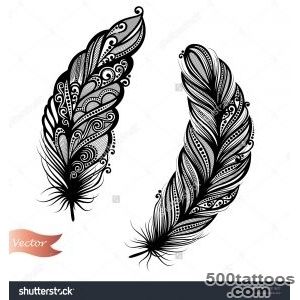
A decorative tattoo is an aesthetic-first design: ornaments, patterns, frames, and clean linework that reads well from a distance. Some people keep it minimal; others build larger symmetrical compositions.
Popular Decorative Motifs
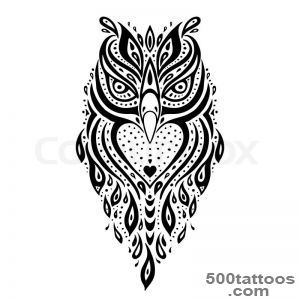
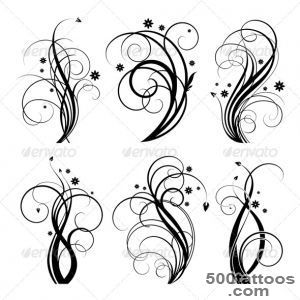
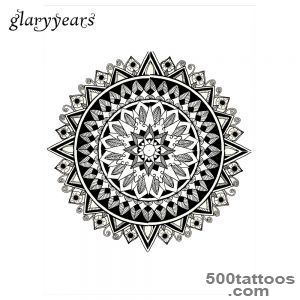
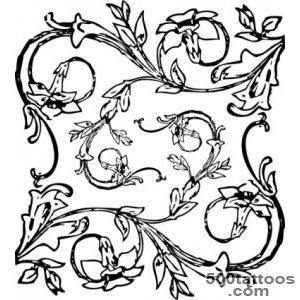
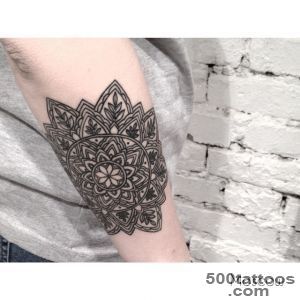
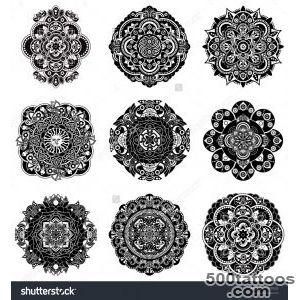
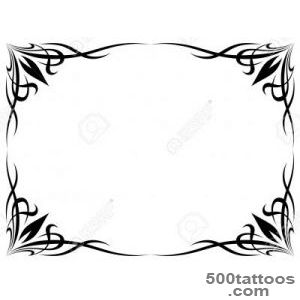
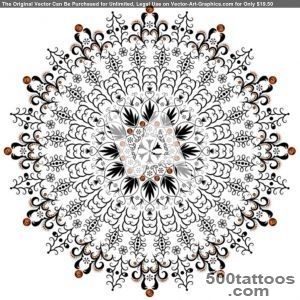
Common motifs include ornamental frames, repeating patterns, simple mandala-like shapes, and clean geometric fillers. If you want the tattoo to age well, choose a design with enough spacing between lines.
Style Directions
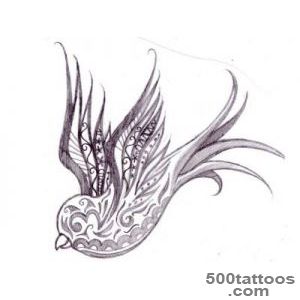
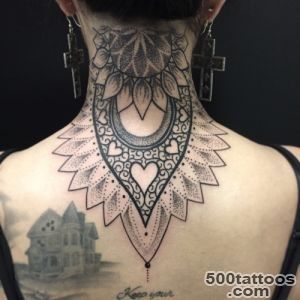
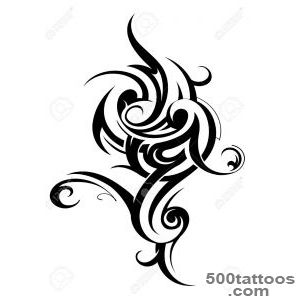
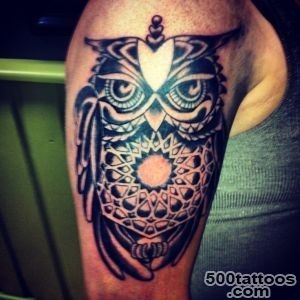
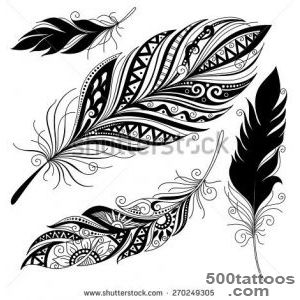
Fine-line decorative work looks light and elegant but needs good spacing. Bolder ornamental designs are more readable and often age better. You can also mix dotwork shading carefully-without making the piece too grey overall.
Placement & Flow
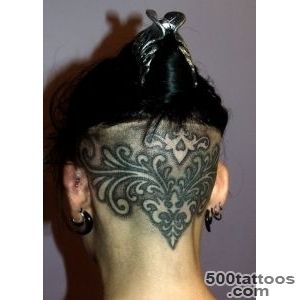
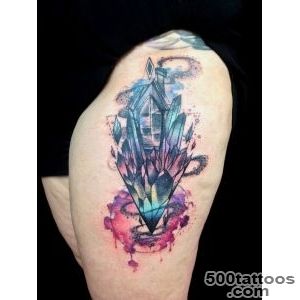
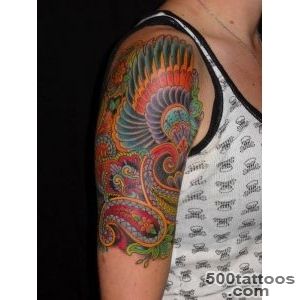
Decorative tattoos look best where the design can follow anatomy: forearm, upper arm, shoulder, sternum, back, thigh, and calf are common options. Ask your artist to adapt the pattern to your body. For more ideas, adapt the pattern to your body, not the other way around. Drawing on Celtic motifs is one way to add structure to a decorative piece.
How to Keep It Timeless
Pick a clear main shape, avoid overcrowding, and prioritize contrast. A decorative tattoo can be simple and still feel "finished" if the composition is balanced.
Decorative tattoo designs and images