Egyptian tattoos
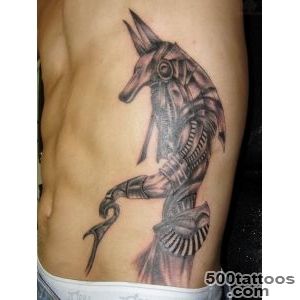
Egyptian tattoos draw from one of the world's oldest and most visually striking cultures.A ankle placement works well for smaller Egyptian symbols. The symbols are bold, geometric, and loaded with meaning-making them popular for people who want tattoos that feel timeless and mysterious.
Popular Egyptian tattoo symbols
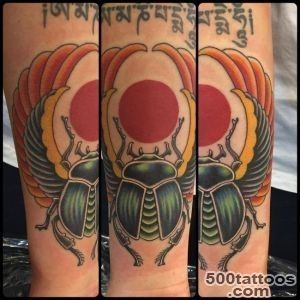
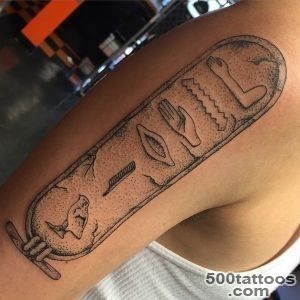
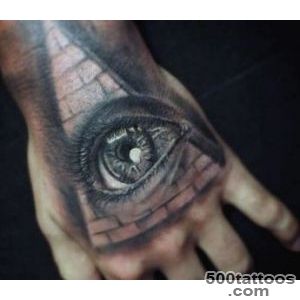
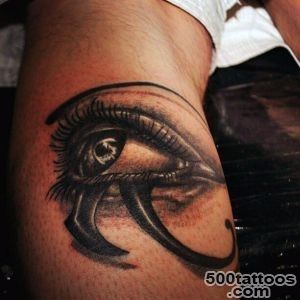
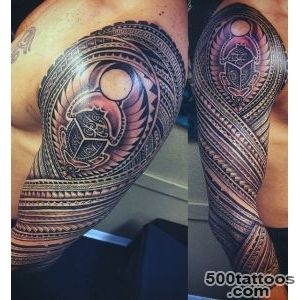
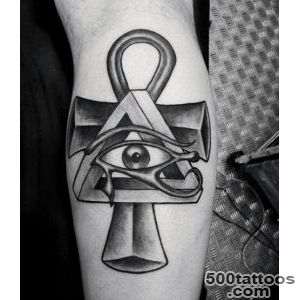
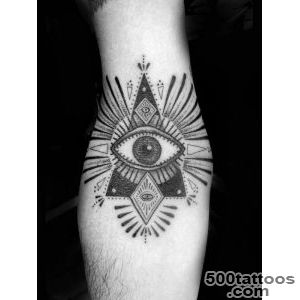
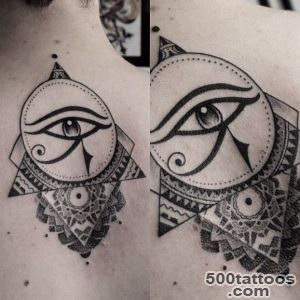
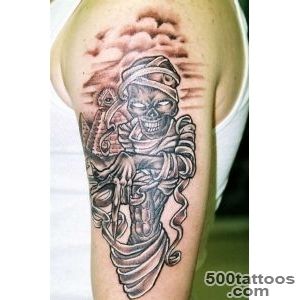
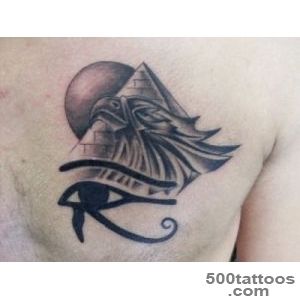
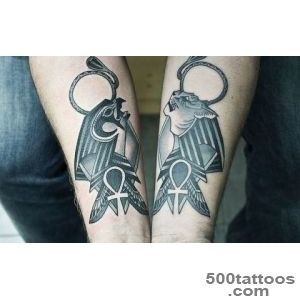
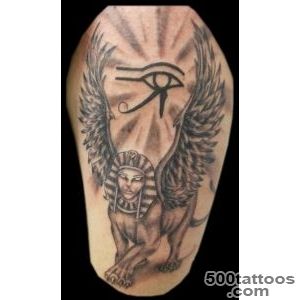
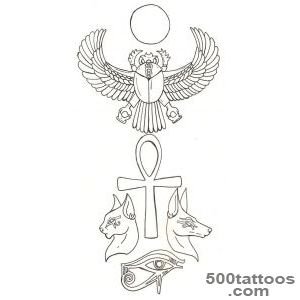
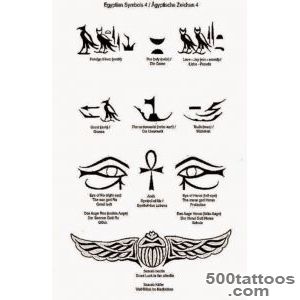
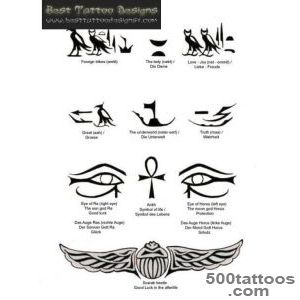
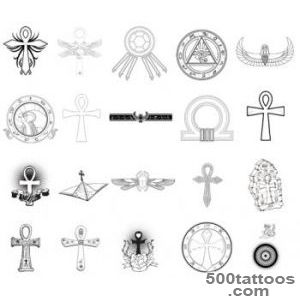
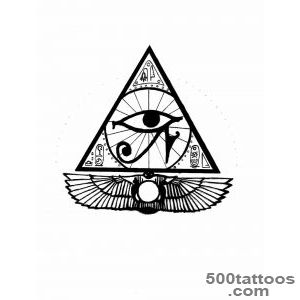
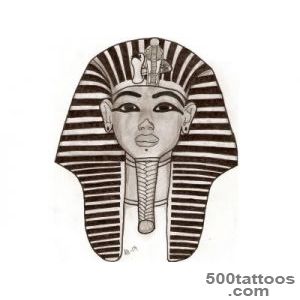
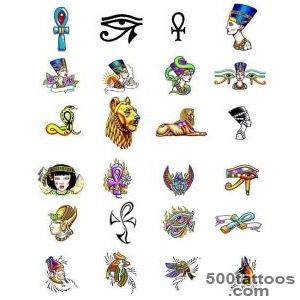
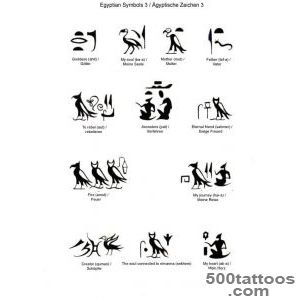
The Ankh (key of life) represents eternal life. The Eye of Horus offers protection and healing. symbolic meaning beetles symbolize rebirth and transformation. The Djed pillar stands for stability. Pyramids, sphinxes, and pharaoh imagery connect to power, mystery, and ancient wisdom. Hieroglyphs can spell out names or meaningful words.
Egyptian gods and figures
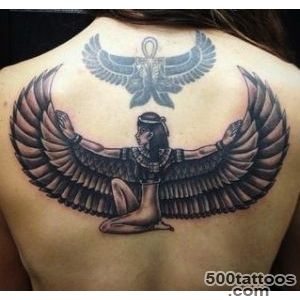
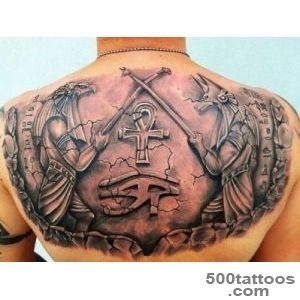
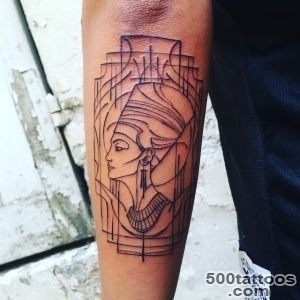
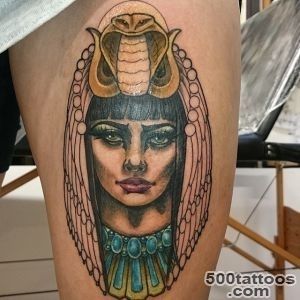
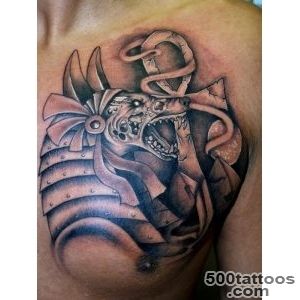
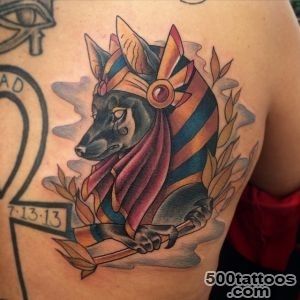
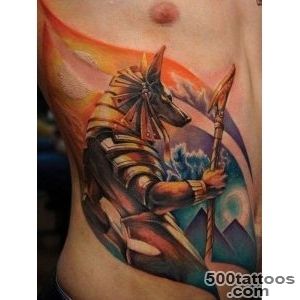
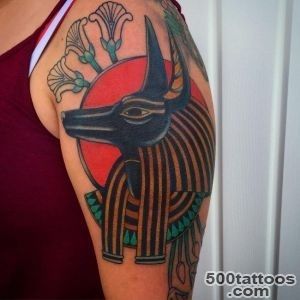
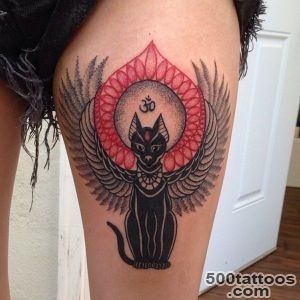
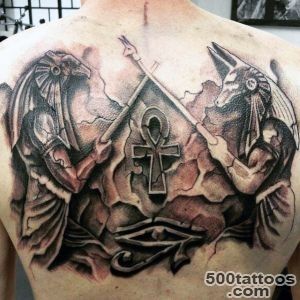
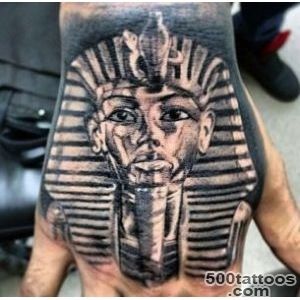
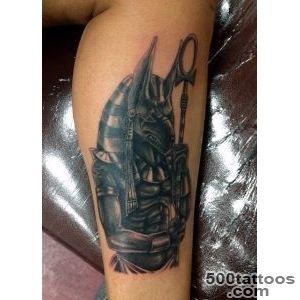
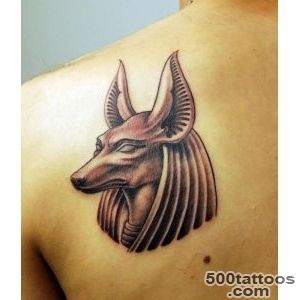
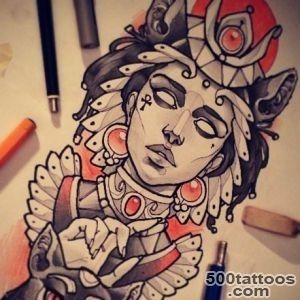
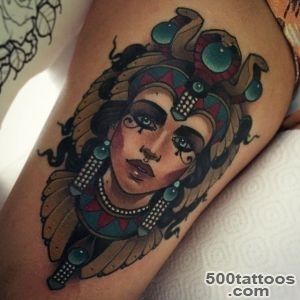
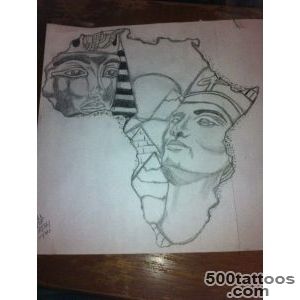
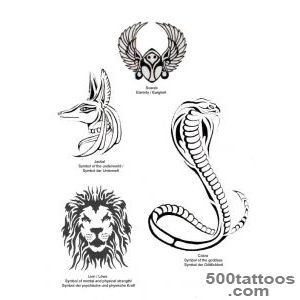
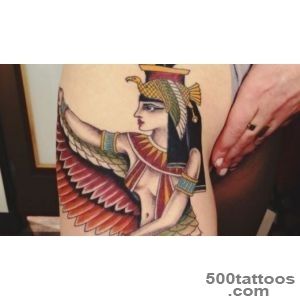
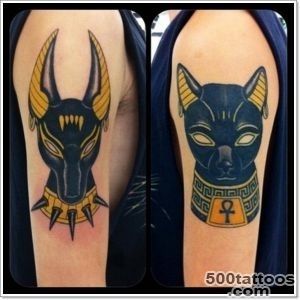
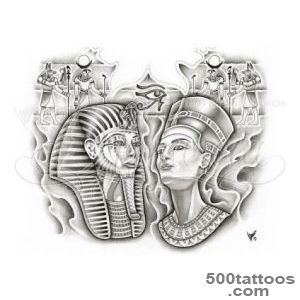
spiritual themes (jackal-headed god of the dead) is popular for those drawn to mortality themes. Ra (sun god) represents light and power. Isis (goddess of magic and motherhood) appeals to those seeking protection symbolism. Cleopatra and Nefertiti portraits add a human, historical element to Egyptian tattoo themes.
Style options for Egyptian tattoos
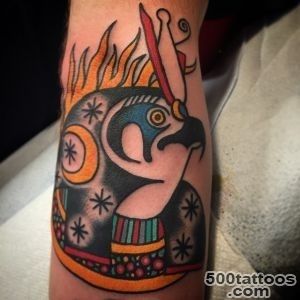
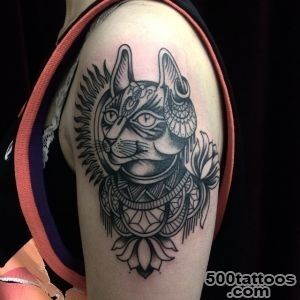
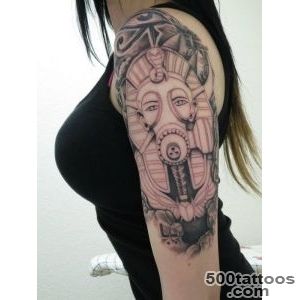
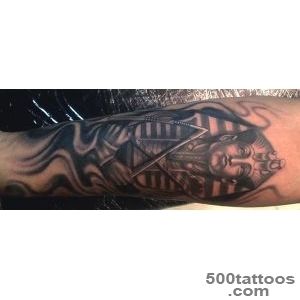
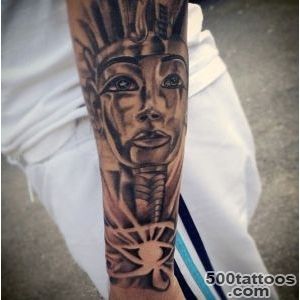
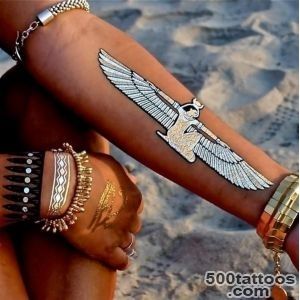
Blackwork and bold lines honor the graphic quality of original Egyptian art. Realistic shading can make gods and pharaohs look dimensional and dramatic. Geometric styles suit the angular nature of hieroglyphs and architectural elements. Gold and turquoise color accents recall the jewelry and tomb paintings of ancient Egypt.
Placement and composition ideas
Vertical designs (Ankh, Djed, standing figures) fit forearms, spines, and calves. Eye of Horus works well on hands, chests, or as part of larger compositions. Back pieces allow for temple scenes or full deity portraits. Smaller symbols suit wrists, ankles, and behind the ear.
Respecting the source
Egyptian symbols carry spiritual and historical weight. Research meanings before choosing-some symbols have specific contexts (funerary, royal, protective). Avoid mixing elements randomly; a cohesive design that respects the original culture will look better and feel more meaningful.
Egyptian tattoos designs and images