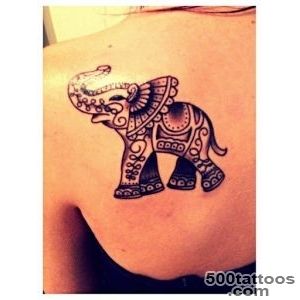
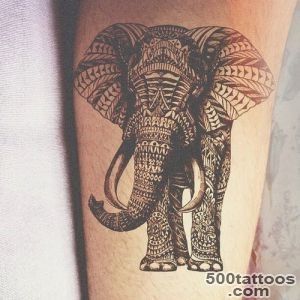
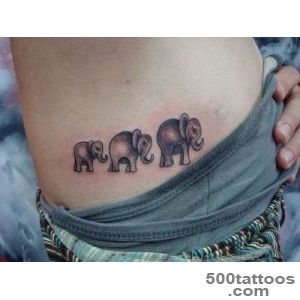
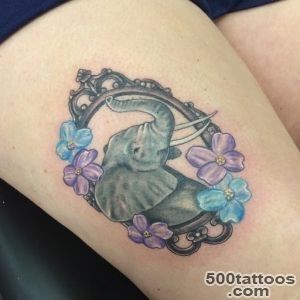
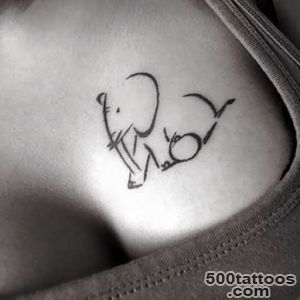
Elephant tattoo
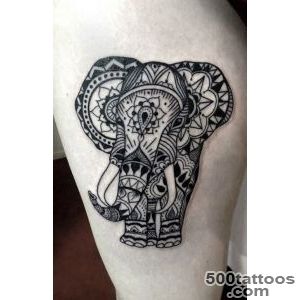
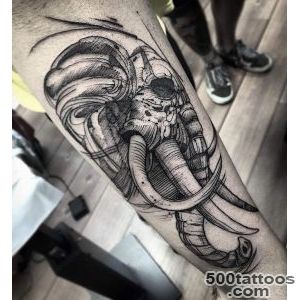
Elephant tattoos are popular worldwide but hold special significance in Asian and African cultures where elephants are sacred animals. Consider sleeve tattoos for larger elephant designs. The design can represent wisdom, memory, family bonds, and quiet strength-making it a meaningful choice among prosperity symbolism.
Elephant tattoo meaning and symbolism
Elephants are known for their intelligence, long memory, and strong family ties. A tattoo of an elephant can symbolize wisdom earned through experience, loyalty to family, or the ability to overcome obstacles with patience rather than force. In Hindu tradition, the elephant-headed god Ganesha represents new beginnings and the removal of obstacles. Explore sleeve tattoos for inspiration.
Popular elephant tattoo styles
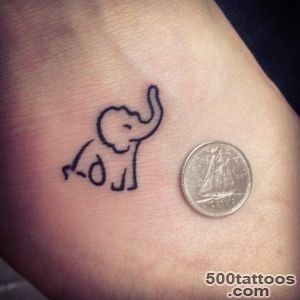
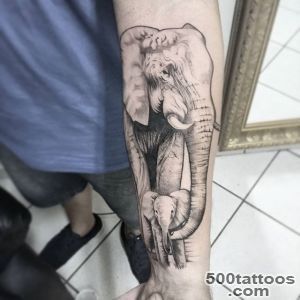
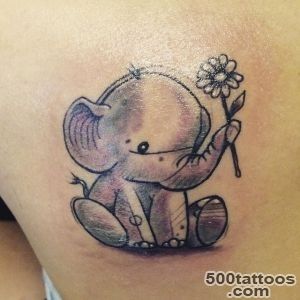
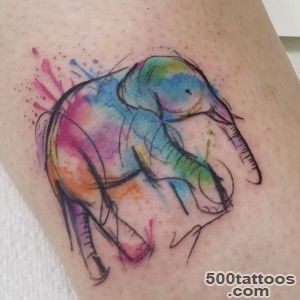
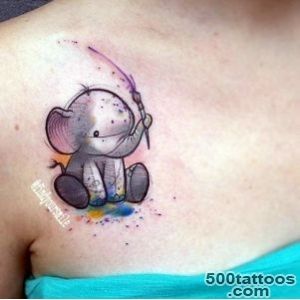
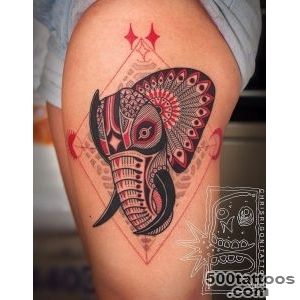
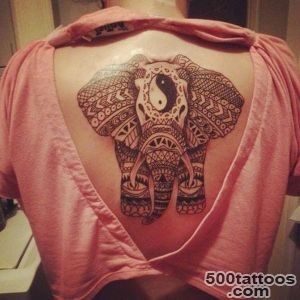
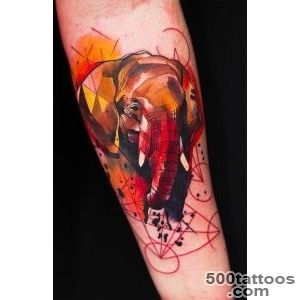
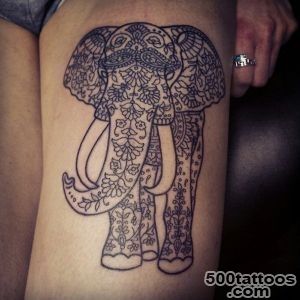
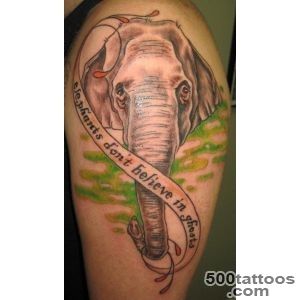
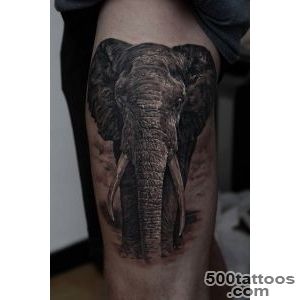
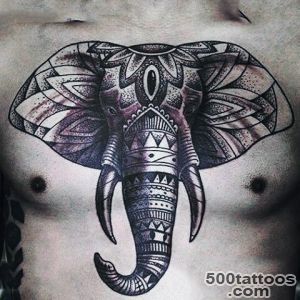
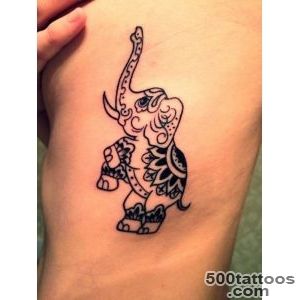
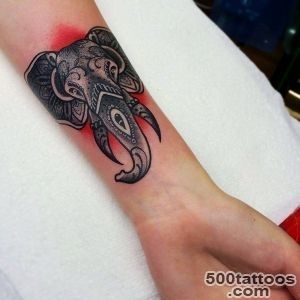
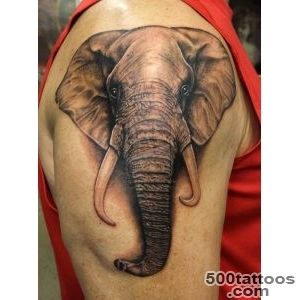
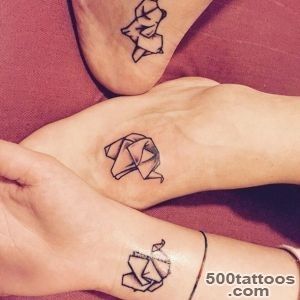
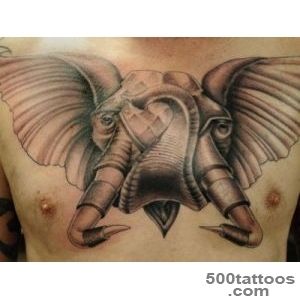
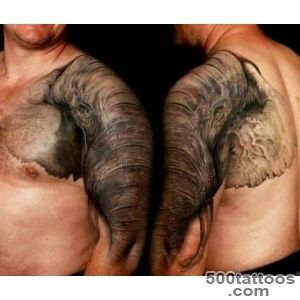
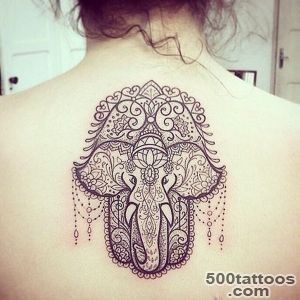
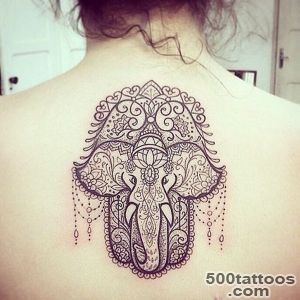
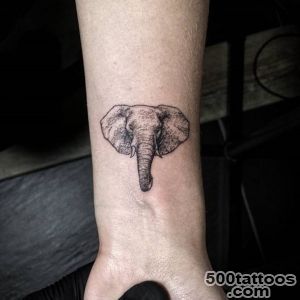
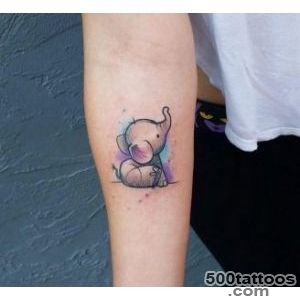
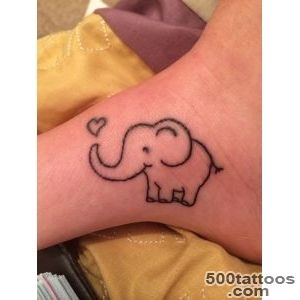
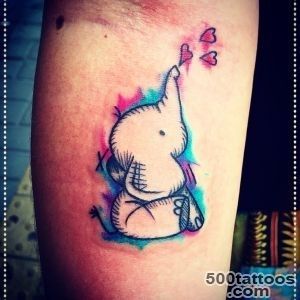
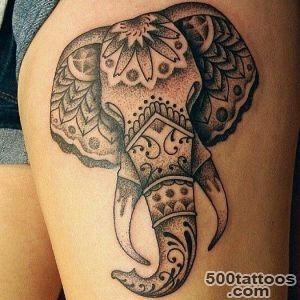
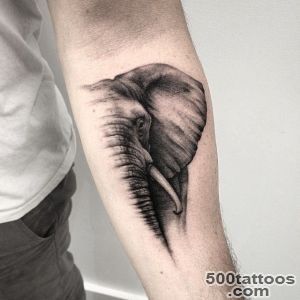
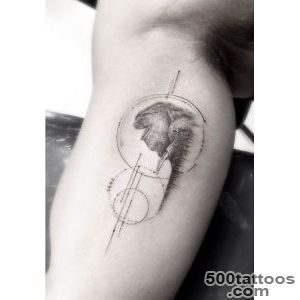
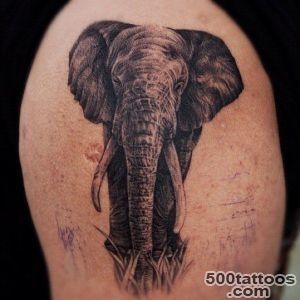
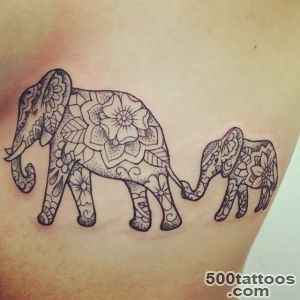
Realistic elephant portraits capture the texture of skin and the depth in their eyes. Geometric and mandala styles turn the elephant into a pattern-based design that feels spiritual or meditative. Watercolor adds softness and motion. Minimalist outlines work well for smaller placements where detail would blur over time.
Design elements and composition ideas
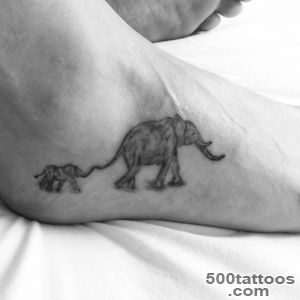
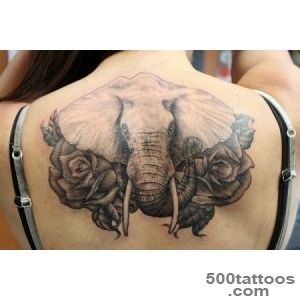
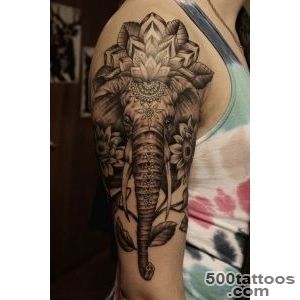
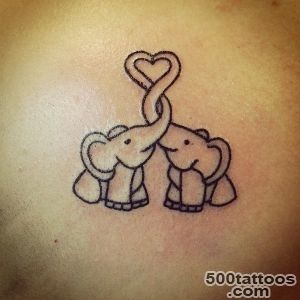
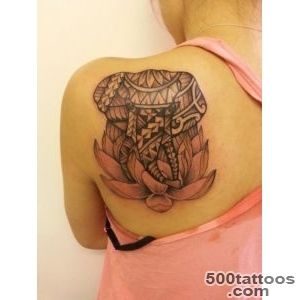
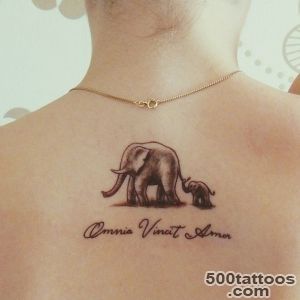
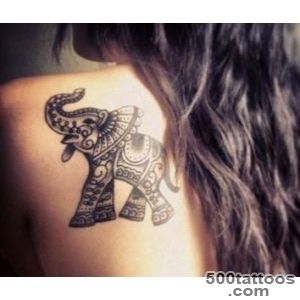
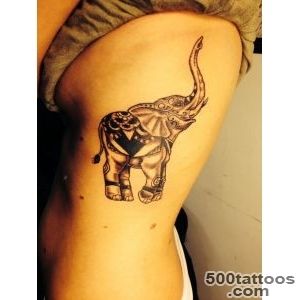
Common additions include flowers (especially lotus), mandalas, tribal patterns, or family groups of elephants to emphasize the family theme. Some people choose a single tusk, trunk raised (considered lucky), or an elephant head in profile. African and Indian elephant designs differ in ear shape and overall build.
Placement and size recommendations
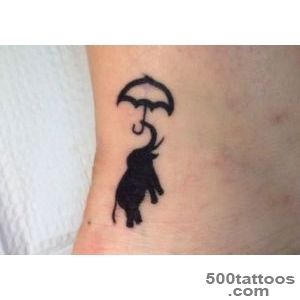
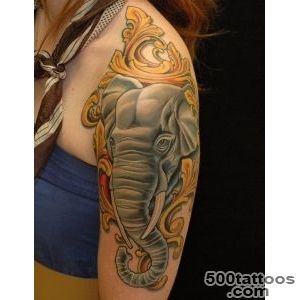
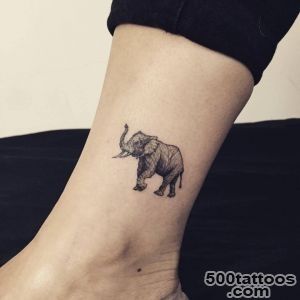
Elephants suit medium to large placements: upper arm, thigh, back, chest, or calf. The animal's shape flows well with curved body areas. Small elephants can work on the forearm or ankle if simplified to outlines or silhouettes.
Cultural respect and personalization
If you're drawn to the spiritual or cultural side, research the specific tradition (Hindu, Buddhist, African) and avoid mixing symbols carelessly. Personalize by adding elements that connect to your own story-birth flowers, coordinates, or initials-so the tattoo feels yours rather than borrowed.
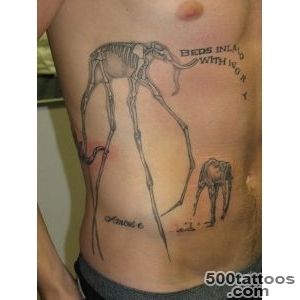
Elephant tattoo designs and images