Flamingo tattoo
What a flamingo tattoo can say
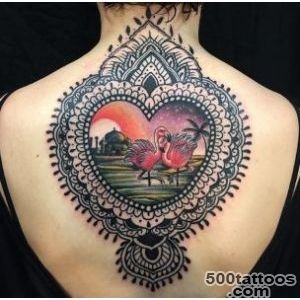
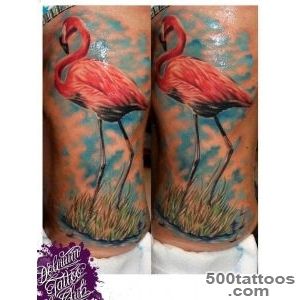
If you are considering the lower back area, there are plenty of examples. A flamingo tattoo often reads as playful, confident, and a little unconventional. Some people choose it for a tropical vibe, others for a "stay balanced" reminder, and many simply because the silhouette is elegant and instantly recognizable. The best meaning is the one you can explain in a single sentence.
Choose a style first
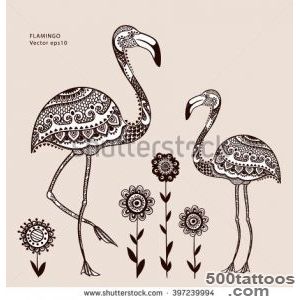
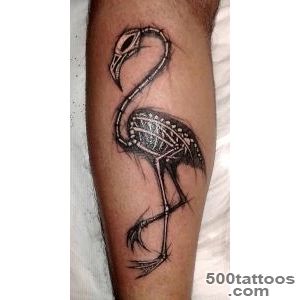
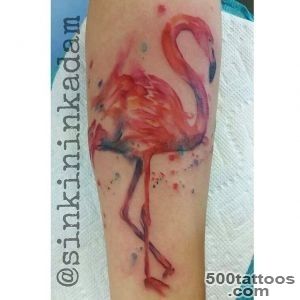
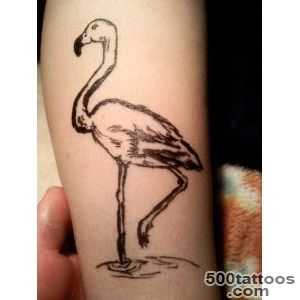
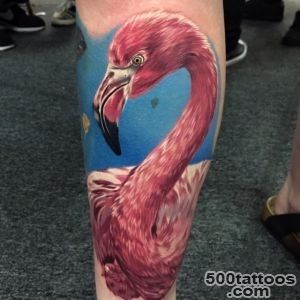
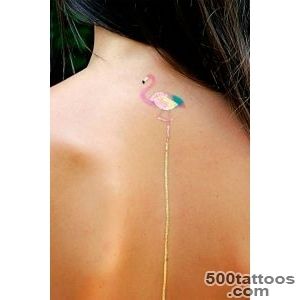
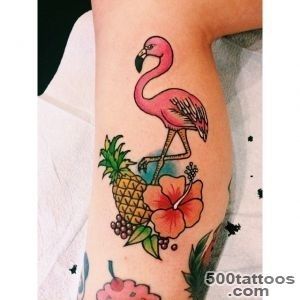
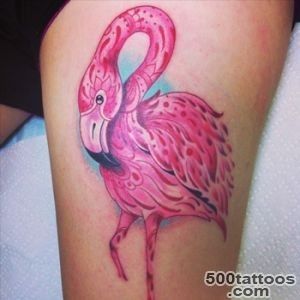
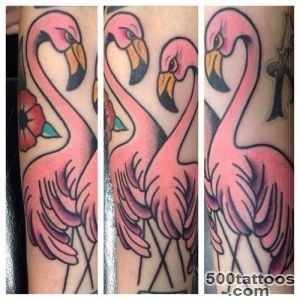
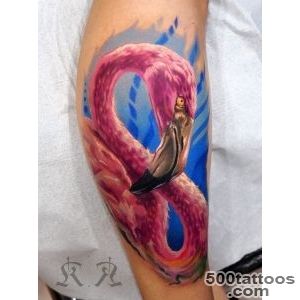
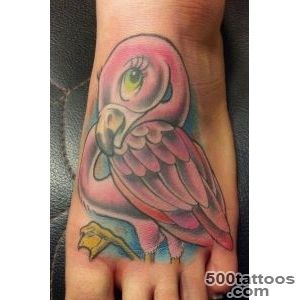
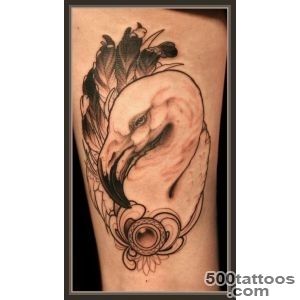
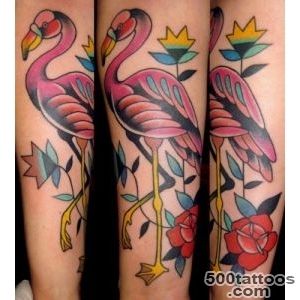
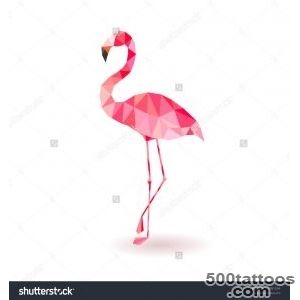
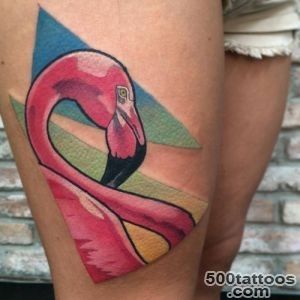
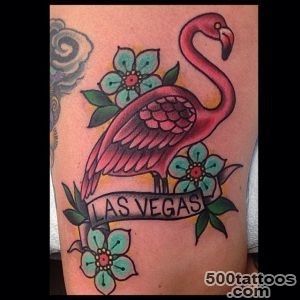
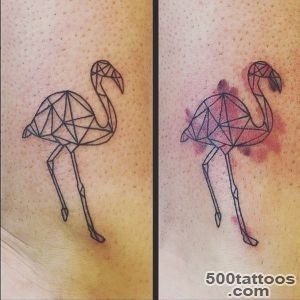
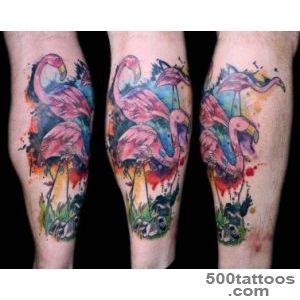
Flamingos work across styles: a clean single-line outline, a small minimal icon, a soft watercolor splash, a classic bold traditional piece, or a detailed illustrative bird. Decide whether you want the tattoo to look light and delicate or bold and graphic-this choice will guide line weight, shading, and color.
Pose, motion, and composition
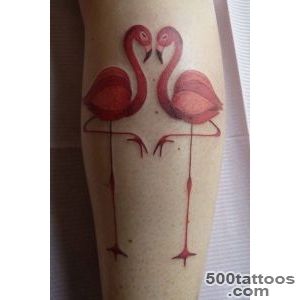
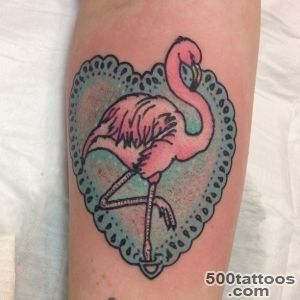
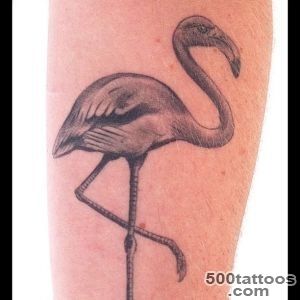
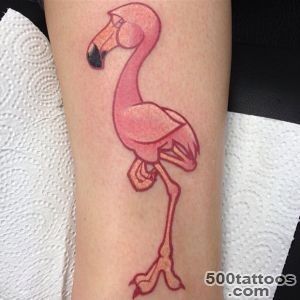
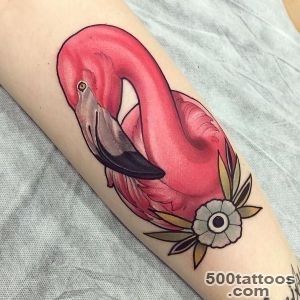
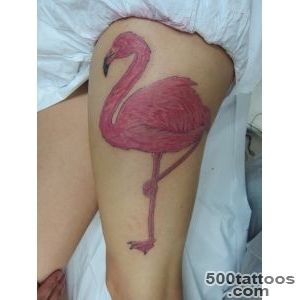
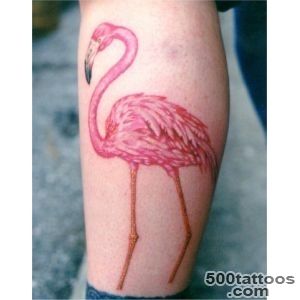
The pose changes the mood. A standing flamingo feels calm and iconic, a flying pose feels energetic, and a tucked-head pose feels softer and more intimate. You can keep it solo, pair two flamingos for symmetry, or build a small scene with subtle background elements.
Placement and sizing tips
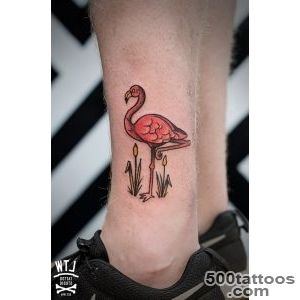
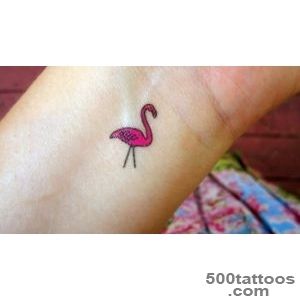
Because flamingos have thin legs and a curved neck, very small tattoos can lose clarity. If you want visible leg/neck detail, go slightly larger or simplify the shape. Popular placements include ankle, lower leg, forearm, upper arm, shoulder, and side-body areas where a vertical silhouette looks natural.
Popular add-ons that still look clean
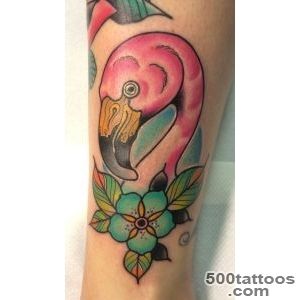
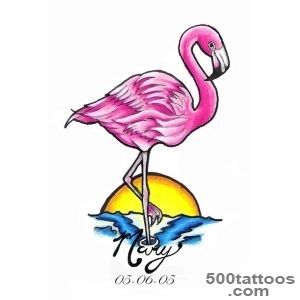
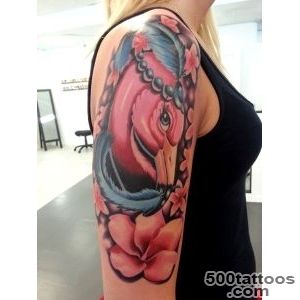
Tropical flowers, leaves, a small sun, or a short word can complement a flamingo, but keep one focal point. Let the bird stay dominant and use add-ons as framing rather than competing details. A clean composition usually looks more premium than a crowded one. To keep the bird readable, prioritize the curve of the neck and the balance of the body. Small proportion tweaks can make the design feel elegant rather than awkward.
Flamingo tattoo designs and images