Hair tattoo
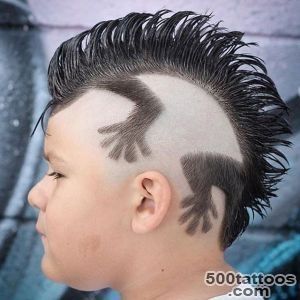
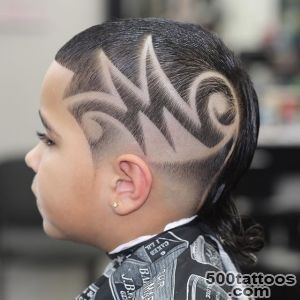
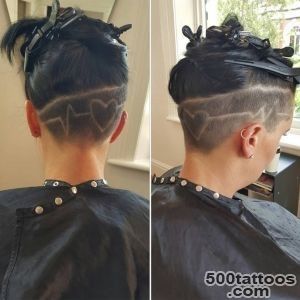
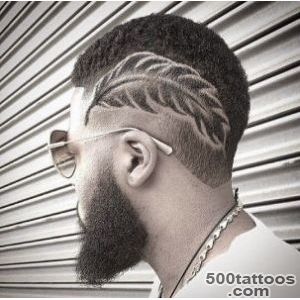
Hair tattoos cover two distinct ideas: ink placed directly on a hairy part of the body, or scalp micropigmentation that mimics the look of a close buzz cut.
Both situations require extra planning because hair growth, shaving habits, and skin texture all affect how the finished piece looks and lasts.
Understanding these factors before your session helps you avoid surprises during healing and ensures the design stays readable for years.
Scalp tattoos and micropigmentation
Scalp micropigmentation uses tiny dots of ink to simulate hair follicles, creating the appearance of a freshly shaved head.
The technique is popular among people experiencing thinning hair or pattern baldness who want a low-maintenance cosmetic solution.
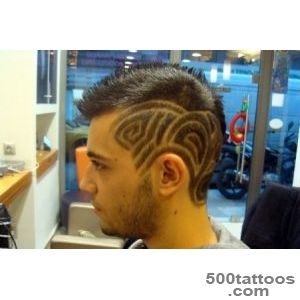
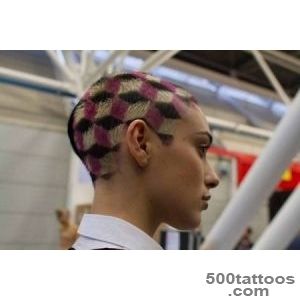
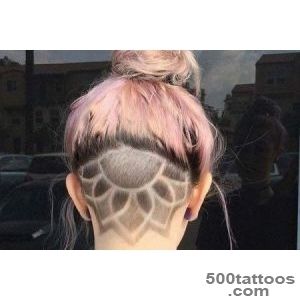
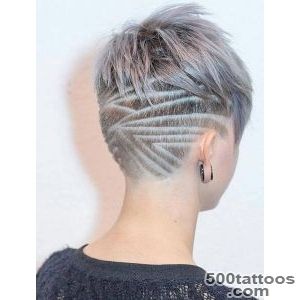
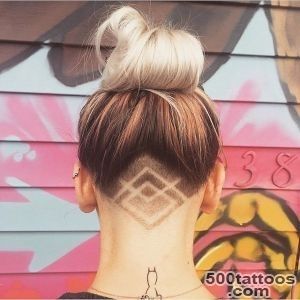
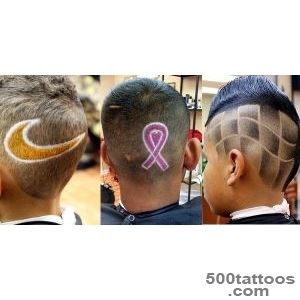
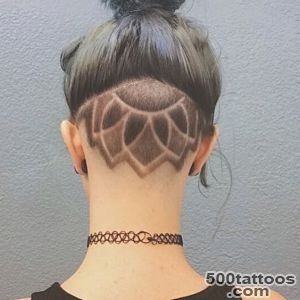
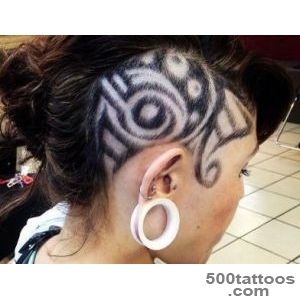
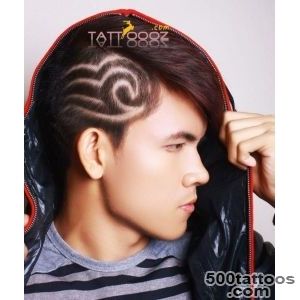
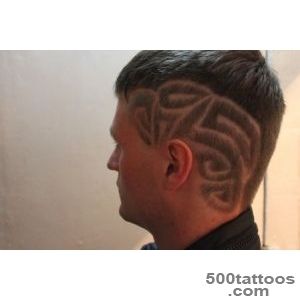
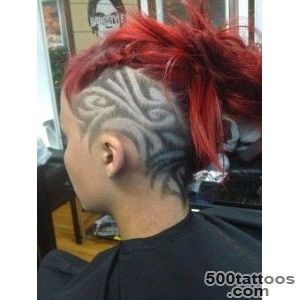
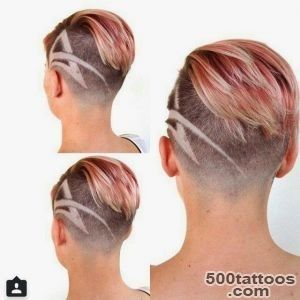
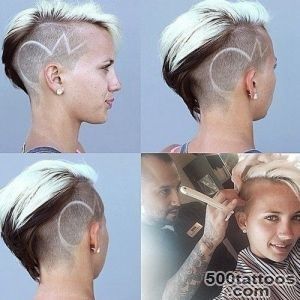
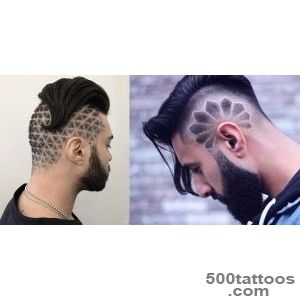
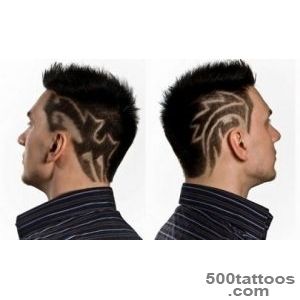
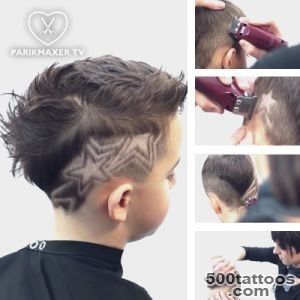
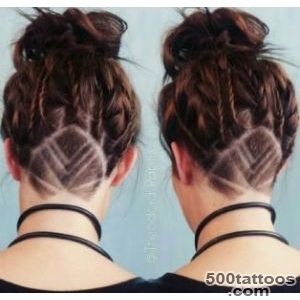
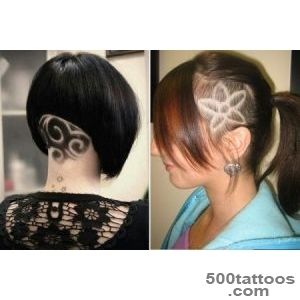
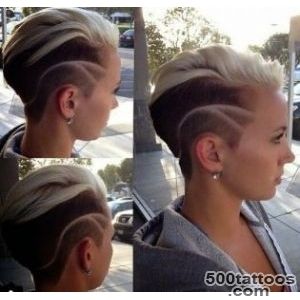
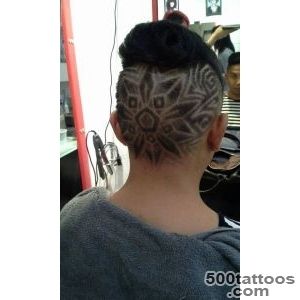
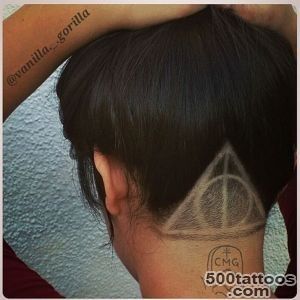
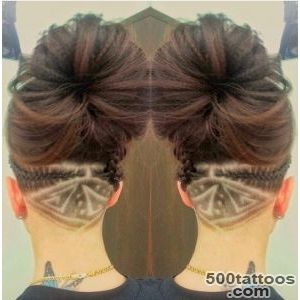
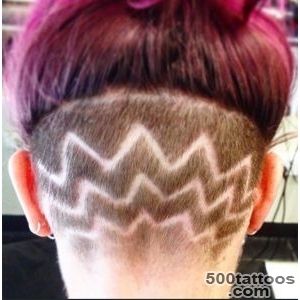
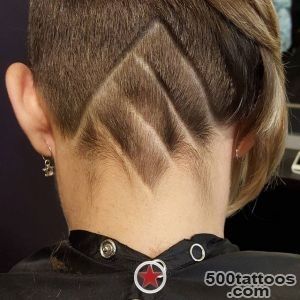
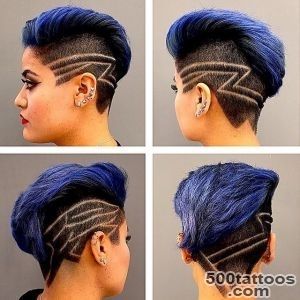
Traditional artistic tattoos on the scalp, like geometric patterns or small symbols, are a different discipline that uses standard tattoo equipment.
Both approaches require a clean, shaved surface and an artist experienced with the unique texture of scalp skin.
Scalp skin is thinner and more vascular than most body areas, so sessions tend to be shorter and healing can involve more initial redness.
Tattooing on hairy body areas
Chest, forearm, and leg tattoos often sit on skin that grows visible hair, and the hair does not ruin the design if the tattoo is planned with that in mind.
Bold lines and high-contrast shading remain readable through moderate body hair, while ultra-fine detail can get lost.
Some clients shave the area permanently to keep the tattoo fully visible; others let the hair grow and accept a softer look.
Your artist will shave the area before the session regardless, so the stencil applies cleanly and the needle tracks accurately.
Design choices that work with hair growth
Strong outlines and solid black fills stay visible even when hair returns, making traditional and blackwork styles reliable choices.
Detailed realism can still work, but spacing needs to be slightly more generous than on hairless skin.
Avoid relying on subtle color gradients in areas with thick hair, because the strands break up the visual continuity.
Geometric patterns with clear negative space read well through light hair and give the piece a graphic quality.
Healing and long-term grooming
During the first two weeks of healing, short stubble will begin pushing through the tattooed area, which can cause mild itching.
Resist the urge to shave until the surface is fully healed; premature shaving can pull out scabs and damage fresh ink.
Once healed, shaving with a clean razor in the direction of hair growth keeps both the skin and the tattoo in good shape.
Light exfoliation every couple of weeks removes dead skin buildup and lets the ink show through more clearly.
If you plan to keep the area shaved long-term, use a gentle aftershave product that does not contain alcohol to avoid drying the skin over the tattoo.
Choosing the right artist
Not every tattoo artist has extensive experience working on scalps or heavily hairy areas, so ask to see healed photos of similar work.
A specialist will know how deep to set the needle on scalp skin and how to adjust line weight for areas where regrowth is expected.
Discuss your grooming routine during the consultation so the artist can factor hair visibility into the design spacing.
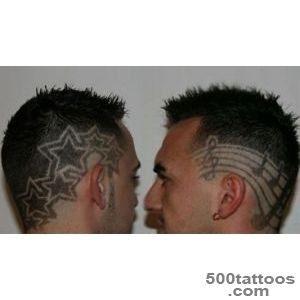
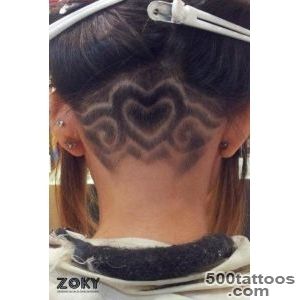
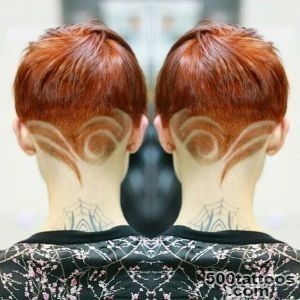
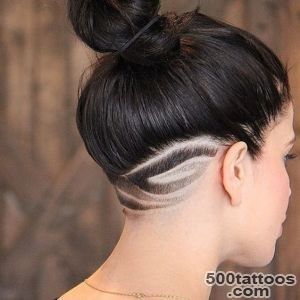
Hair tattoo designs and images