Hand poked tattoos

Hand poked tattoos are created by manually pushing a needle into the skin one dot at a time, without the buzzing rotary or coil machine that defines most modern studios.
The method is one of the oldest forms of tattooing, practiced for thousands of years across Indigenous, Southeast Asian, and Arctic cultures before machines existed.
Today it attracts people who value the ritual pace of the process and the organic, slightly imperfect finish that machine work rarely produces.
How the hand poke process works
The artist dips a single needle, or a small cluster of needles bound to a handle, into ink and punctures the skin at a controlled angle.
Each poke deposits a dot of pigment, and the design builds gradually as the dots accumulate into lines, fills, and shading.
Sessions are quieter than machine tattooing, with only a light tapping sound and no vibration, which some clients find meditative.
The pace is slower, so a design that would take thirty minutes with a machine might take an hour or more by hand.
Despite the slower speed, experienced hand poke artists achieve line quality and consistency that rivals machine output.
Visual character of hand poked work
The dot-by-dot construction gives lines a subtle texture that feels handcrafted rather than mechanically smooth.
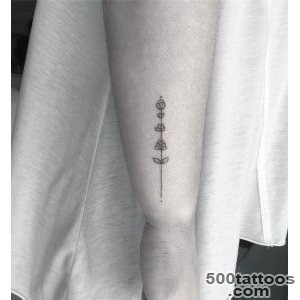
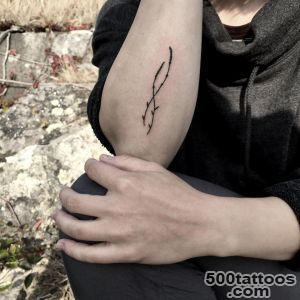
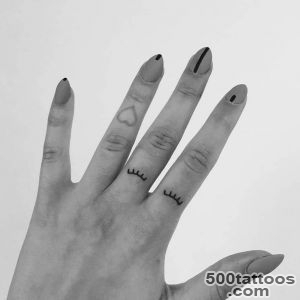
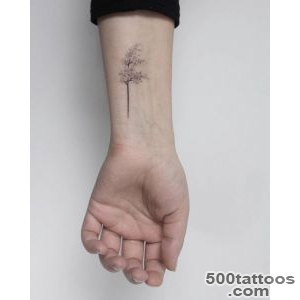
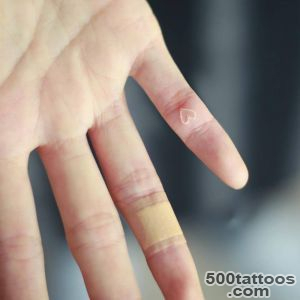
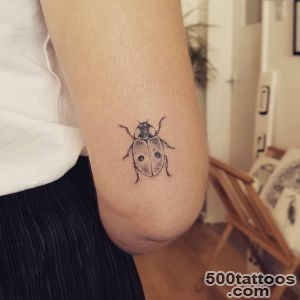
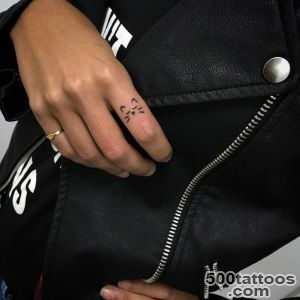
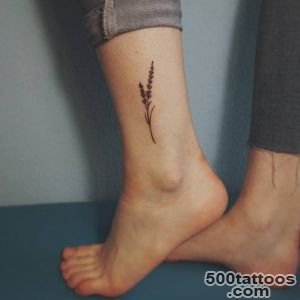
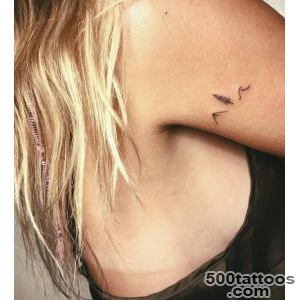
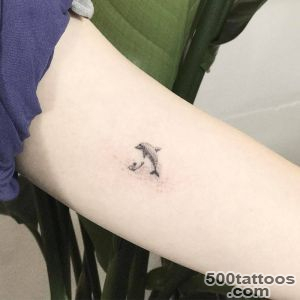
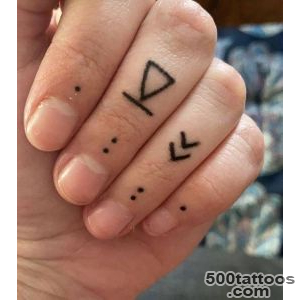
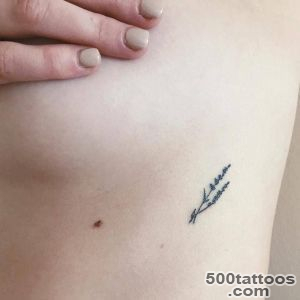
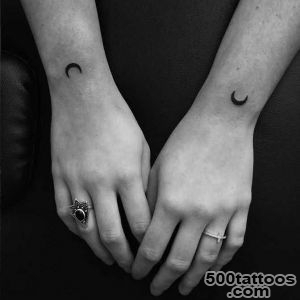
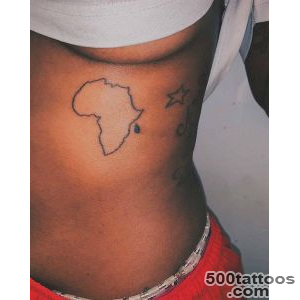
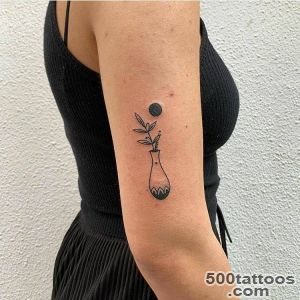
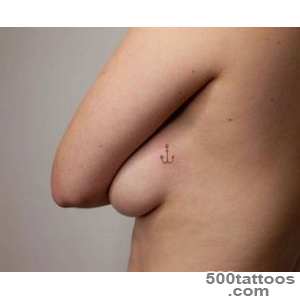
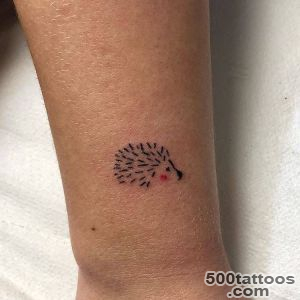
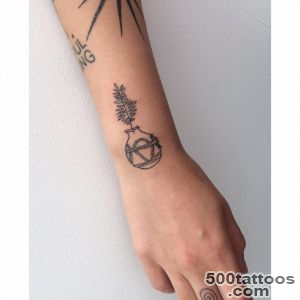
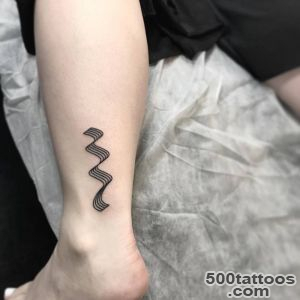
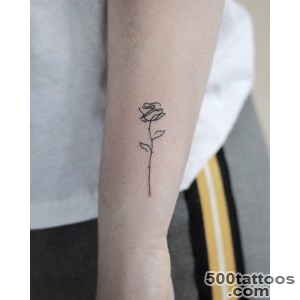
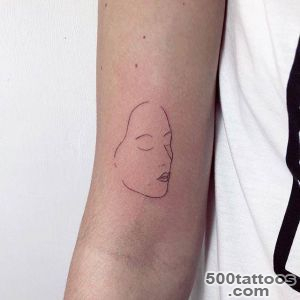
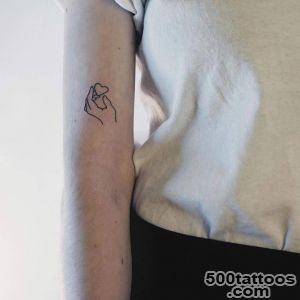
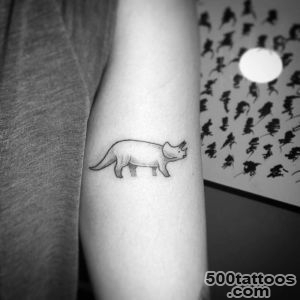
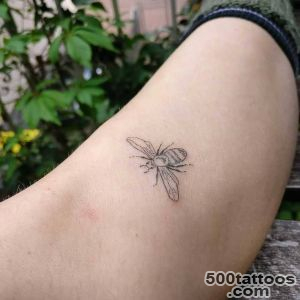
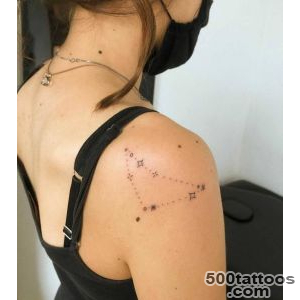
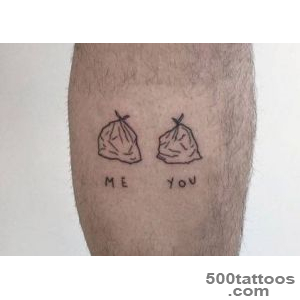
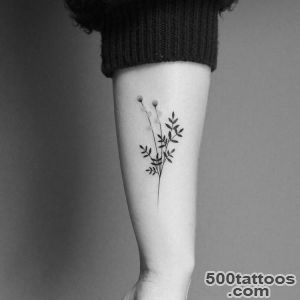
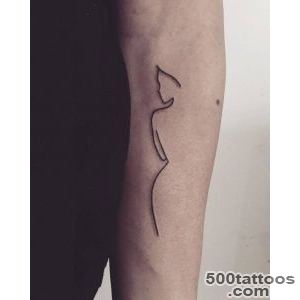
This quality suits small, simple designs, botanicals, fine-line figures, and ornamental patterns especially well.
Shading in hand poke work tends to look softer and more gradual because the artist controls each individual dot placement.
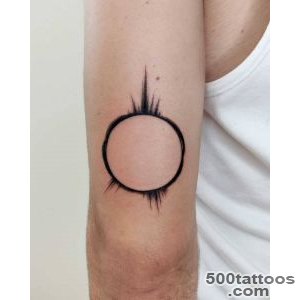
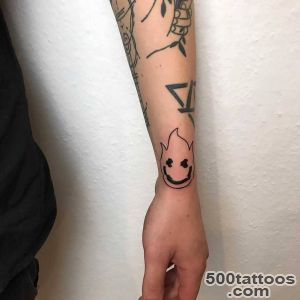
Heavy blackwork fills are possible but require patience, so most hand poke pieces lean toward lighter, more open compositions.
Pain, healing, and skin response
Many people report that hand poking feels less intense than machine tattooing because the needle moves at a human pace and does not generate heat from friction.
However, longer sessions can cause cumulative soreness, so breaks may be needed for pieces that take several hours.
Healing times are similar to machine tattoos, typically two to three weeks for the surface to close and several months for the deeper layers to settle.
Because the process creates less overall trauma to the skin, some clients notice less swelling and redness in the first few days.
Choosing a hand poke artist
Look for portfolios that show healed work, not just fresh tattoos, because the real test of hand poke quality is how the dots hold up after settling.
Ask about sterilization practices; a legitimate hand poke artist uses single-use needles, medical-grade ink, and follows the same hygiene protocols as any licensed studio.
Beware of social media trends that romanticize DIY hand poking at home, because untrained technique and non-sterile equipment introduce serious infection risk.
A skilled professional can produce work that is clean, durable, and intentionally textured, which is a very different outcome from amateur poking.
Designs that suit the method
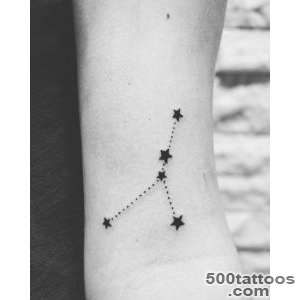
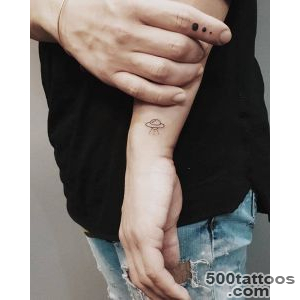
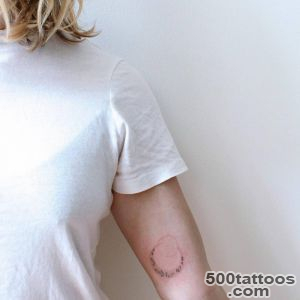
Dot-based patterns like mandalas and geometric grids are natural fits because the technique itself is built on dots.
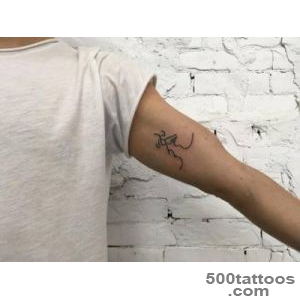
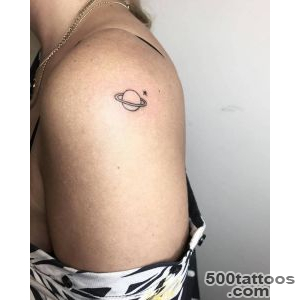
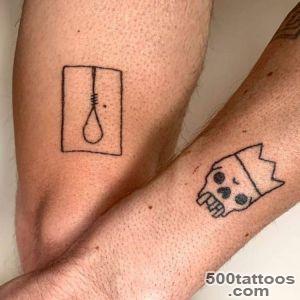
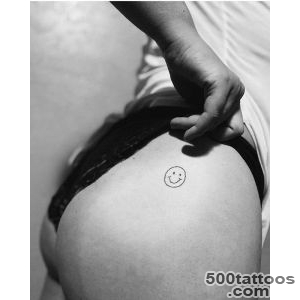
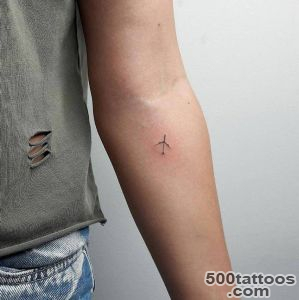
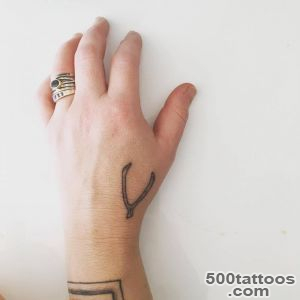
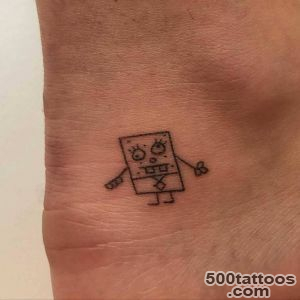
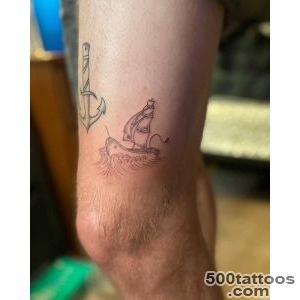
Simple line drawings of plants, animals, or abstract shapes retain their charm at small scales.
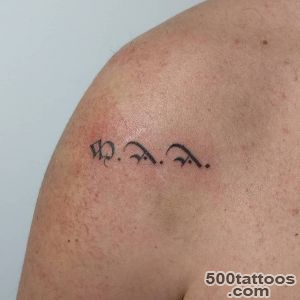
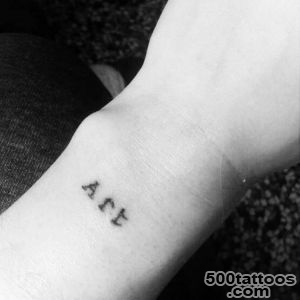
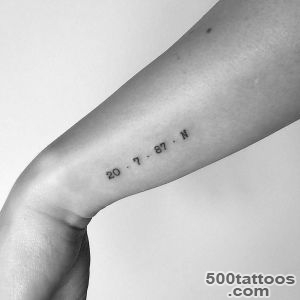
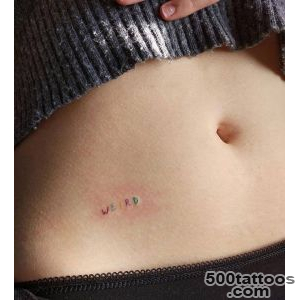
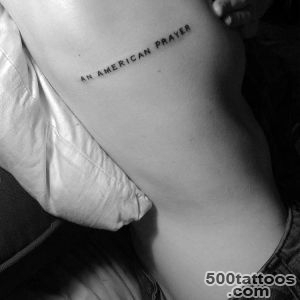
Script and lettering work well if the artist has steady spacing, though very small text may blur over time just as it would with machine work.
If you want something larger, plan for multiple sessions so the artist can work carefully without rushing.
Hand poked tattoos designs and images