Heart tattoo

Heart tattoos remain one of the most recognizable symbols in body art because the shape adapts to almost any emotional story, from deep romantic love to quiet personal healing.
A single design choice, like adding a crack, a flame, or a banner, can shift the entire mood of the piece.
That flexibility is why hearts appear across every tattoo style and continue to hold meaning for people of all backgrounds.
The heart also serves as a tribute to someone who is no longer present, turning grief into something visible and lasting.
What a heart tattoo can represent
At its core, the heart stands for emotional connection, but the specific meaning depends on the details around it.
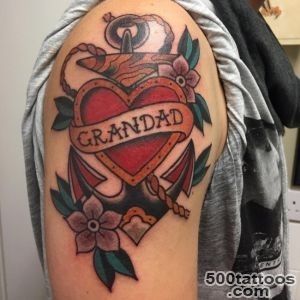
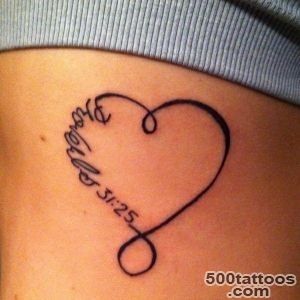
A solid red heart usually speaks to romantic devotion, while a heart with a name or date points to a particular relationship or loss.
Hearts wrapped in thorns or chains can express pain, sacrifice, or the idea of loving despite hardship.
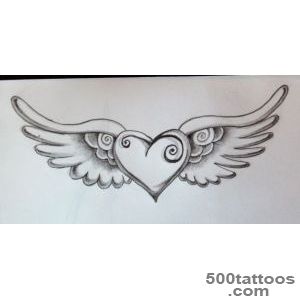
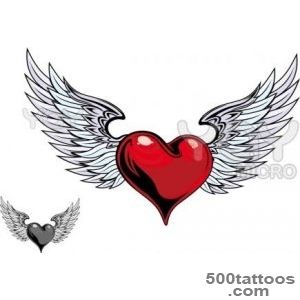
A heart with wings often signals freedom from grief or a loved one watching from above.
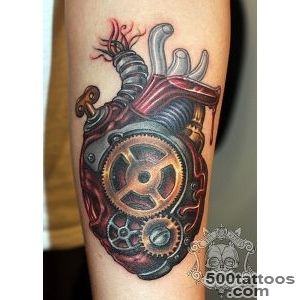
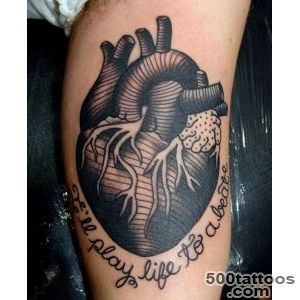
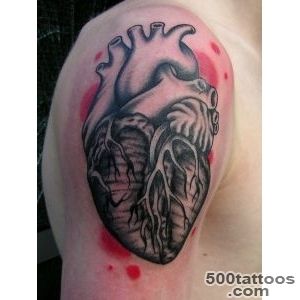
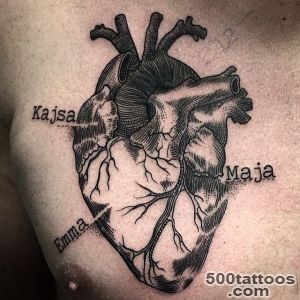
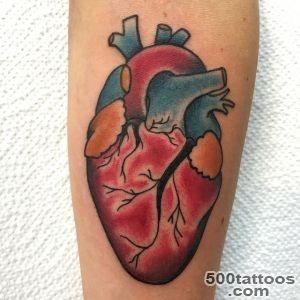
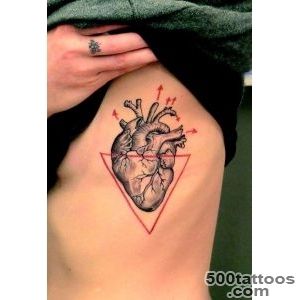
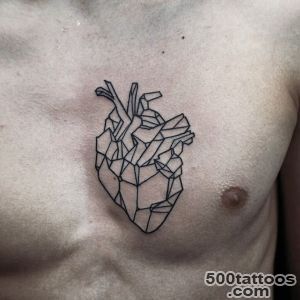
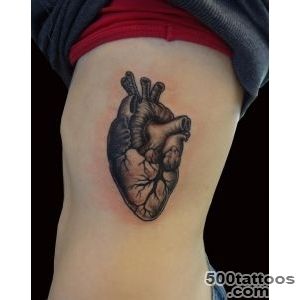
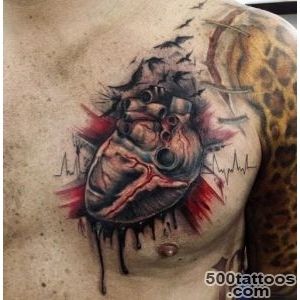
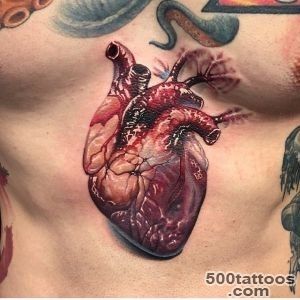
Some choose an anatomical heart to represent the physical side of life, health awareness, or a background in medicine.
Classic heart variants and what they communicate
The sacred heart, surrounded by flames and topped with a cross, comes from Catholic imagery and represents faith, suffering, and divine compassion.
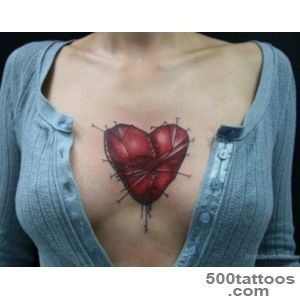
A broken heart with visible stitches or bandages can show healing in progress rather than permanent damage.
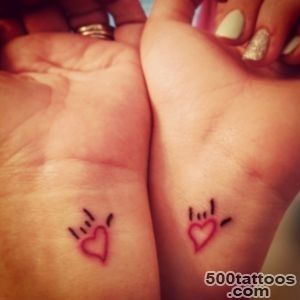
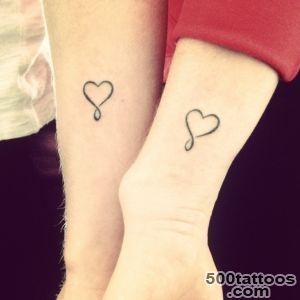
Lock-and-key hearts are popular for couples who split the design across two people.
A heart grenade combines love with volatility, often chosen by people who embrace intense emotions.
Adding a small anchor to the base suggests that love keeps someone grounded.
Choosing a tattoo style for a heart
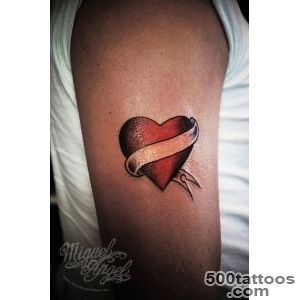
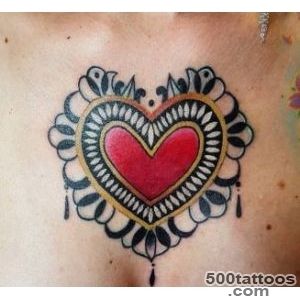
Traditional Americana uses bold outlines, saturated reds, and clean banners, giving the piece a timeless, graphic punch.
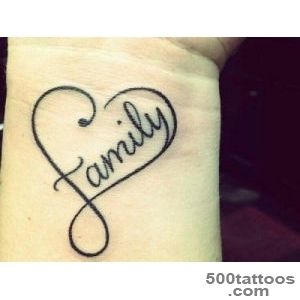
Fine-line hearts feel more intimate, working well at smaller sizes and pairing naturally with script or coordinates.
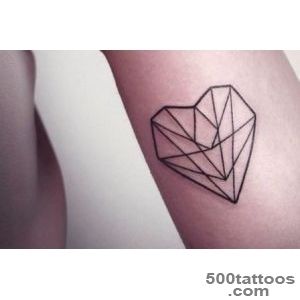
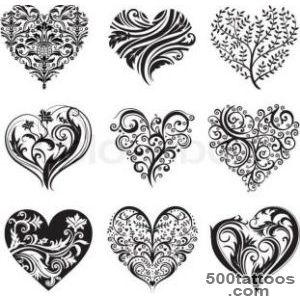
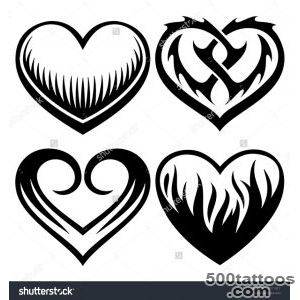
Blackwork hearts remove color entirely and rely on shape and negative space, making the design feel modern.
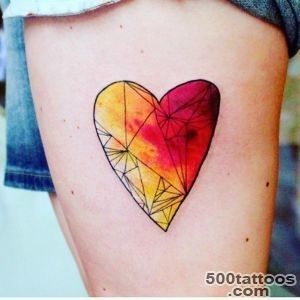
Watercolor backgrounds can soften the image and add an artistic, painterly quality.
Realistic anatomical hearts need a skilled hand with shading and proportion to look convincing rather than clinical.
Where to place a heart tattoo for maximum impact
The chest is the most literal placement, keeping the symbol close to the actual organ and working well for memorial pieces.
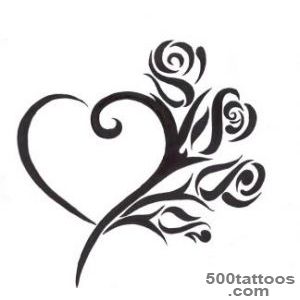
Forearms allow daily visibility and suit both small hearts and medium compositions with banners or roses.
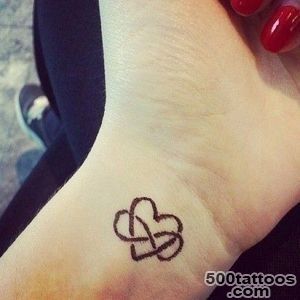
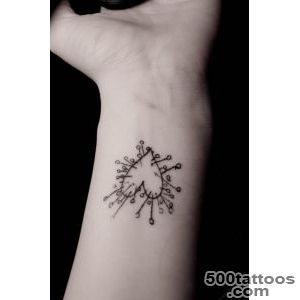
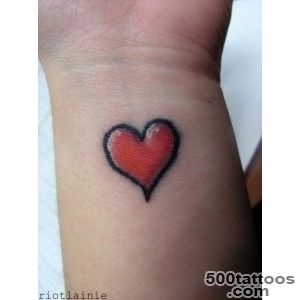
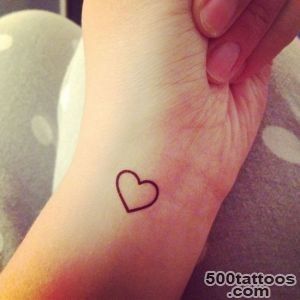
The wrist is ideal for simple outlines or tiny filled hearts that serve as quiet personal reminders.
Behind the ear or on the finger works for micro hearts, though these areas fade faster and need touch-ups sooner.
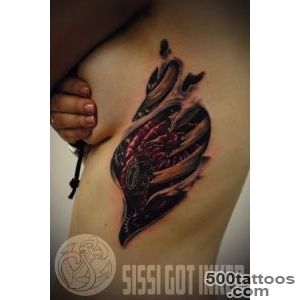
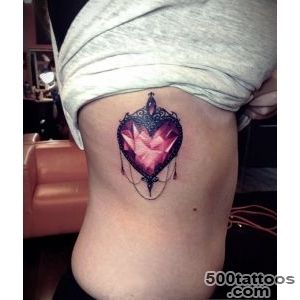
Ribs offer a private canvas for larger, more detailed designs that stay hidden under everyday clothing.
Keeping a heart tattoo sharp over time
Bold lines and solid fills hold up best across decades, while delicate fine-line hearts may soften and need periodic refreshing.
Red ink is vibrant at first but can fade faster than black, so ask your artist about high-quality pigments.
Sunscreen on healed tattoos slows UV breakdown, which matters most for color-heavy pieces on exposed skin.
If your heart includes thin lettering or small dates, schedule a check-in after a year to see whether a quick touch-up is needed.
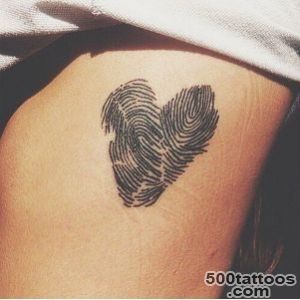
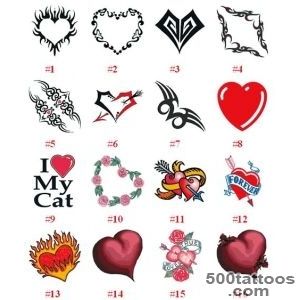
Heart tattoo designs and images