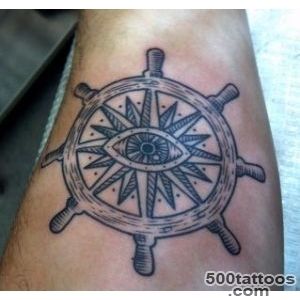
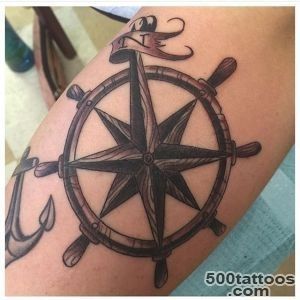
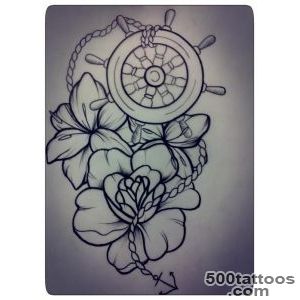
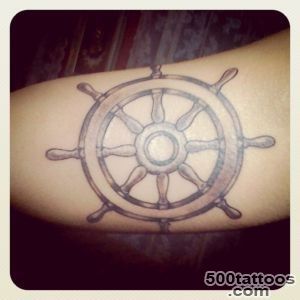
Helm tattoo
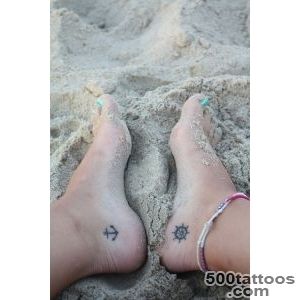
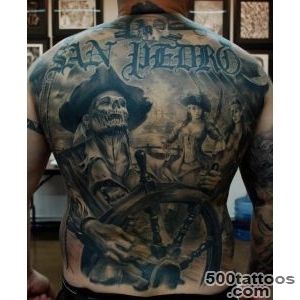
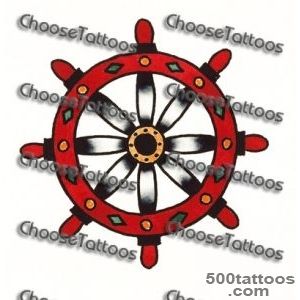
A helm tattoo represents control under pressure, the ability to set a course and hold it when conditions turn rough.
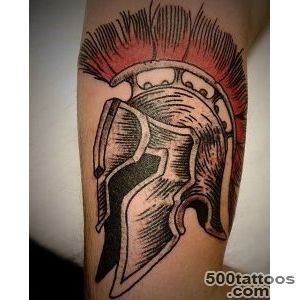
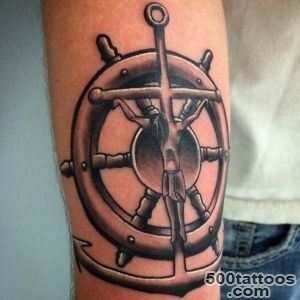
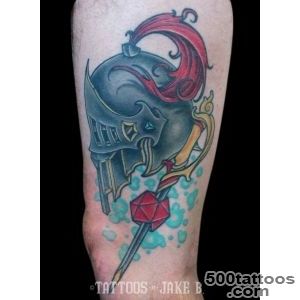
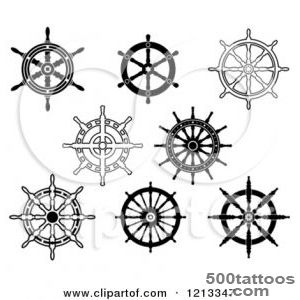
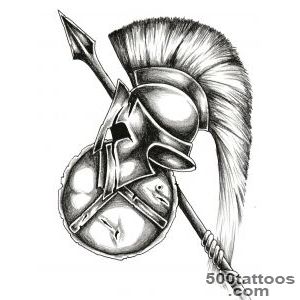
Whether the image shows a wooden ship wheel, a steel naval helm, or an ancient warrior helmet, the core message is the same: steady direction.
The design appeals to people who see themselves as navigators in their own lives, whether they lead teams, run households, or simply refuse to drift.
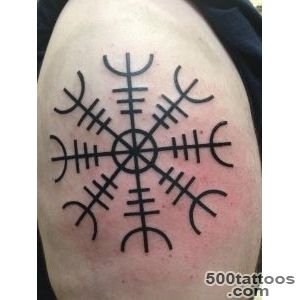
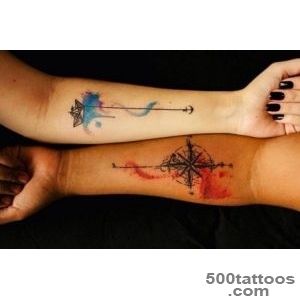
Paired with celestial navigation symbols, the helm gains an added layer of wayfinding meaning.
Ship wheel versus warrior helmet
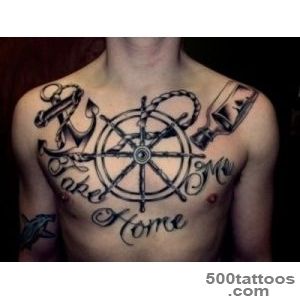
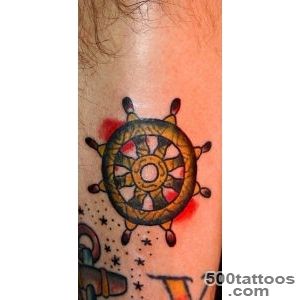
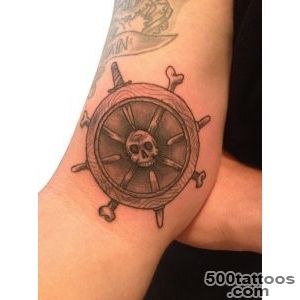
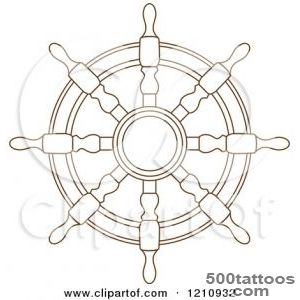
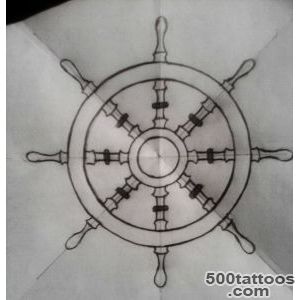
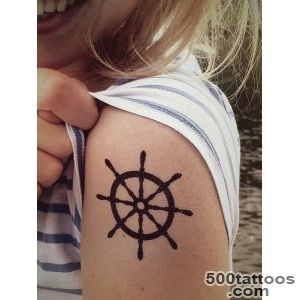
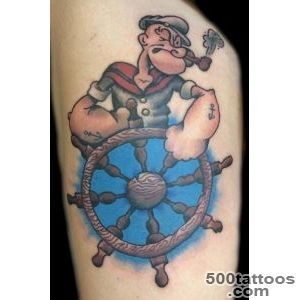
A ship wheel helm leans toward nautical tradition, suggesting voyages, open water, and the skill of reading wind and tide.
A warrior helmet, like a Viking or Spartan design, shifts the tone toward battle readiness, honor, and physical courage.
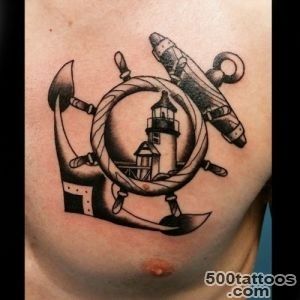
Some people combine both, placing a ship wheel inside a helmet frame to merge leadership with combat resilience.
The choice often comes down to whether your personal story feels more like a sea journey or a fight.
Nautical elements that strengthen the theme
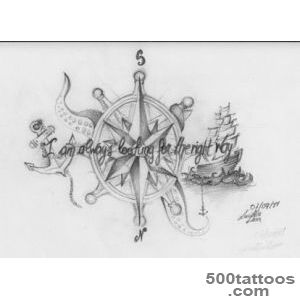
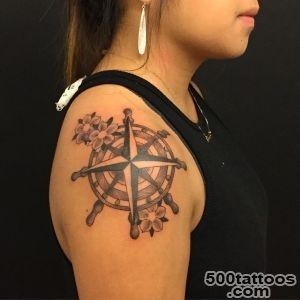
Adding a compass rose behind the wheel reinforces the idea of finding direction when landmarks disappear.
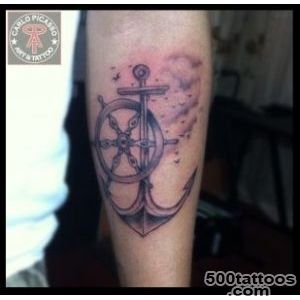
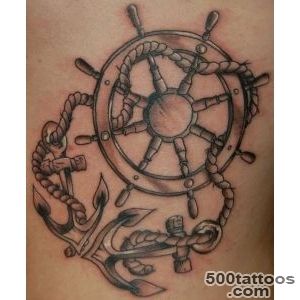
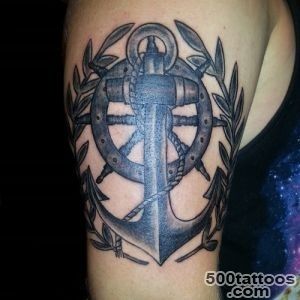
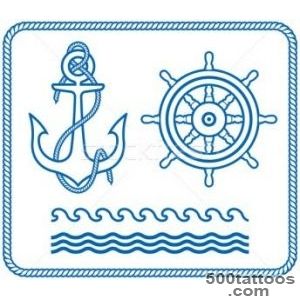
Anchors placed below the helm suggest stability and the willingness to hold a position when it matters.
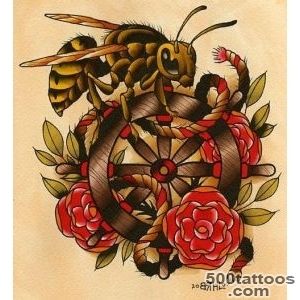
Rope borders or chain details connect the piece to real seafaring hardware and add texture.
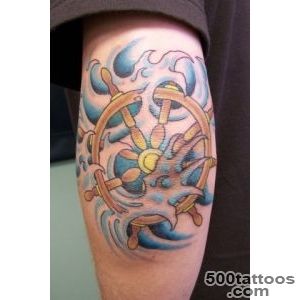
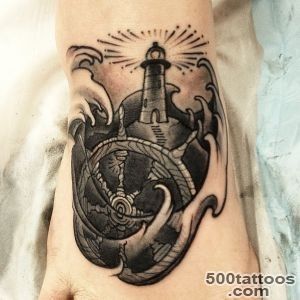
Waves or storm clouds in the background raise the stakes, making the helm a symbol of calm inside chaos.
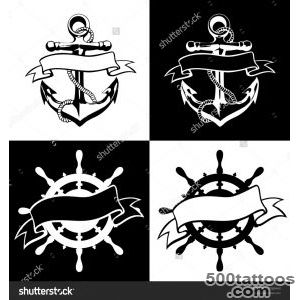
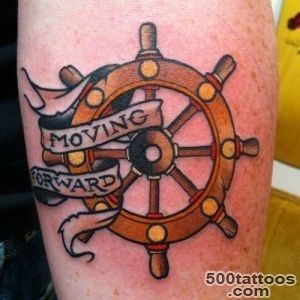
A small banner with coordinates or a port name personalizes the design without cluttering the focal point.
Style approaches
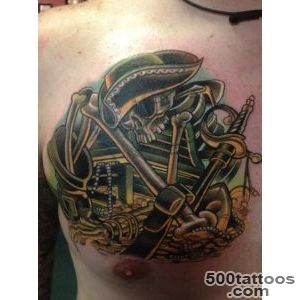
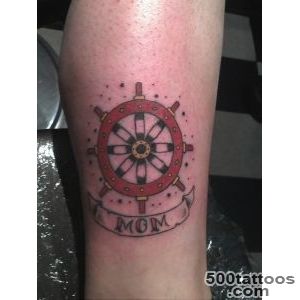
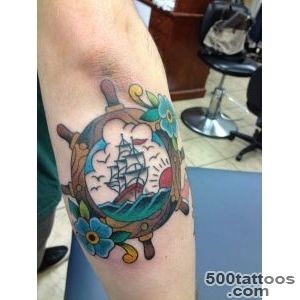
Traditional American tattooing suits helm designs because bold lines and limited color keep the spokes and rim clear at any viewing distance.
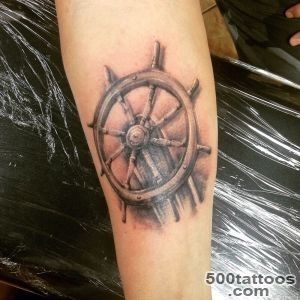
Realistic renderings work well for metal helmets, showing scratches, rivets, and reflections that make the piece feel like an artifact.
Dotwork helms create a textured, engraved look that echoes old nautical charts.
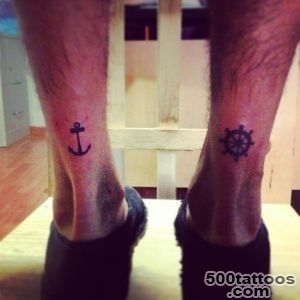
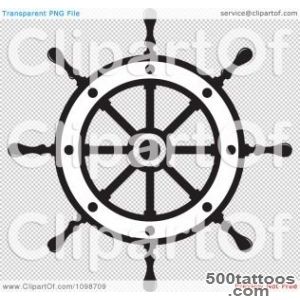
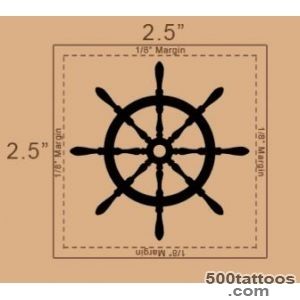
Minimalist versions can reduce the wheel to a circle and evenly spaced spokes, keeping the concept readable at very small sizes.
Sizing and body placement
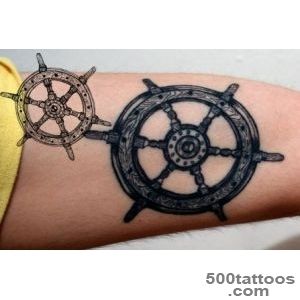
Forearms are the most popular spot because the cylindrical shape mirrors a wheel and allows even spoke distribution.
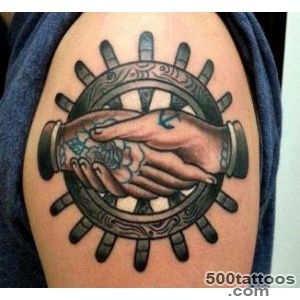
Upper arms and shoulders give room for added elements like waves or banners without crowding.
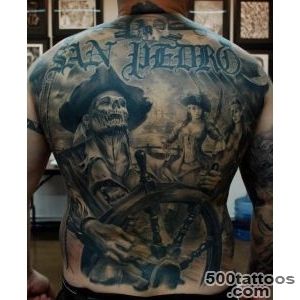
The upper back works for large compositions where the helm sits at the center of a broader nautical scene.
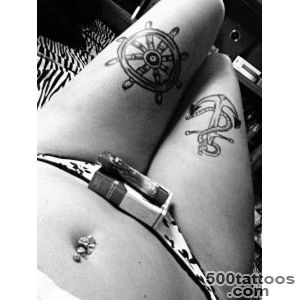
Calves and outer thighs suit medium-sized helms that can be shown or hidden depending on clothing.
Avoid placing a detailed wheel on very curved areas where the spokes might distort when you move.
Detail choices that hold up over time
Keep the spoke count reasonable; eight or fewer spokes stay readable as the tattoo settles.
Wooden textures add warmth but require enough size for the grain lines to remain visible.
If you include rope or chain, make sure the wrapping direction follows the body's natural curve.
Black and grey palettes age predictably, while adding a single accent color like navy blue or gold can highlight one element without overcomplicating the piece.
Helm tattoo designs and images