Homemade tattoo
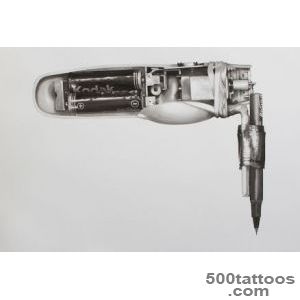
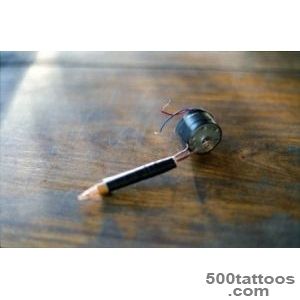
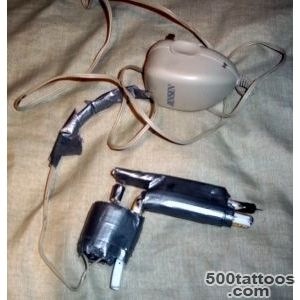
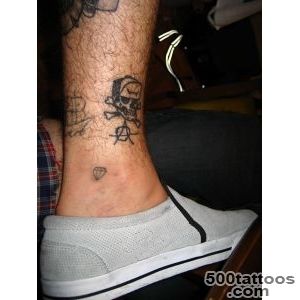
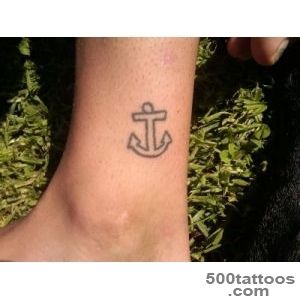
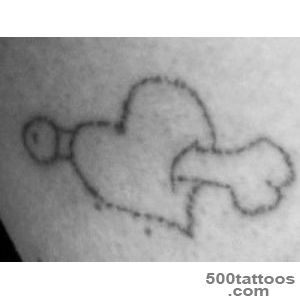
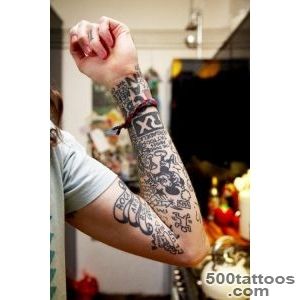
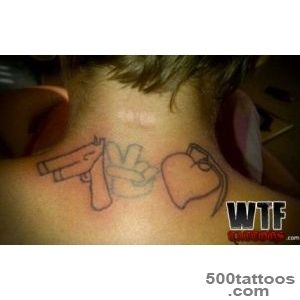
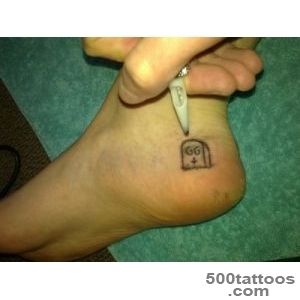
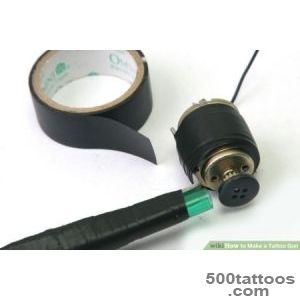
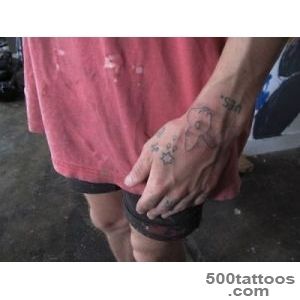
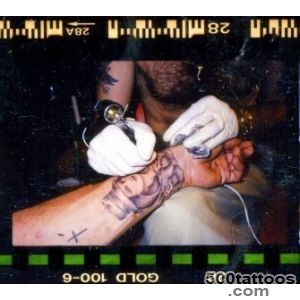
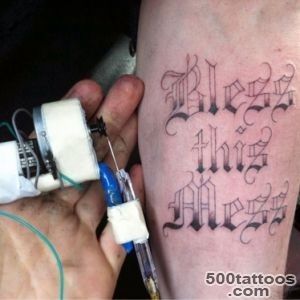
Homemade tattoos are created outside of professional studios, usually with improvised equipment like sewing needles, pen ink, or guitar strings, and the results range from charming imperfection to serious health complications.
The practice has a long history in prisons, military settings, and teenage experimentation, but the gap between a romanticized DIY aesthetic and the reality of untrained needlework is significant.
If you are drawn to the raw, imperfect look of homemade tattoos, this page covers the real risks and the safer ways to achieve a similar result.
Why homemade tattoos are risky
Non-sterile needles can introduce bacteria, leading to infections that range from localized redness to systemic conditions requiring hospitalization.
Shared or reused equipment carries the risk of bloodborne pathogens including hepatitis B, hepatitis C, and HIV.
Improvised inks, like pen ink, India ink, or soot-based mixtures, are not formulated for subcutaneous use and can cause allergic reactions or granulomas.
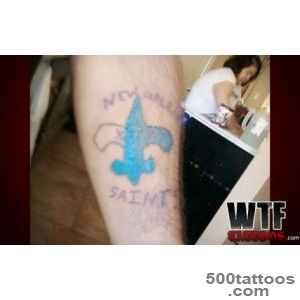
Inexperienced hands cannot control needle depth consistently, so lines blow out, ink migrates, and scarring is common.
An infection in a homemade tattoo can leave a scar worse than the original design, and medical treatment may be needed.
What to do if you already have one
If the area is red, swollen, warm, or leaking fluid, see a doctor promptly; these are signs of infection that antibiotics may need to address.
Even if the tattoo looks healed on the surface, monitor for raised bumps or persistent itching that could indicate a reaction to the ink.
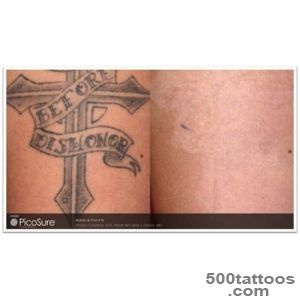
A professional tattoo artist can evaluate whether the piece can be cleaned up, incorporated into a new design, or needs to be lightened with laser treatments first.
Covering a homemade tattoo usually requires a piece at least thirty percent larger to fully hide uneven lines and blowouts.
The appeal of imperfect aesthetics
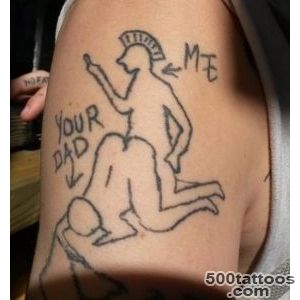
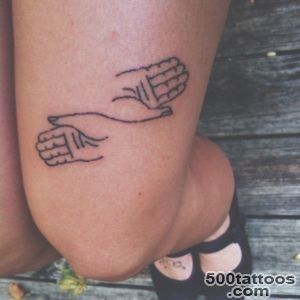
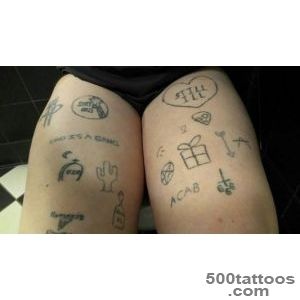
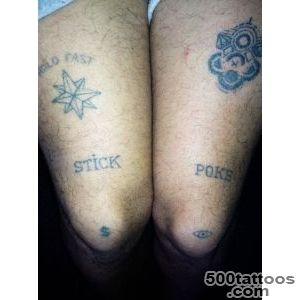
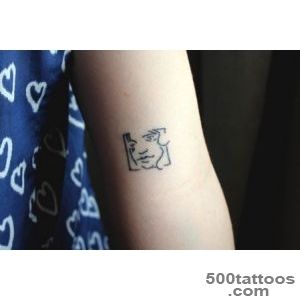
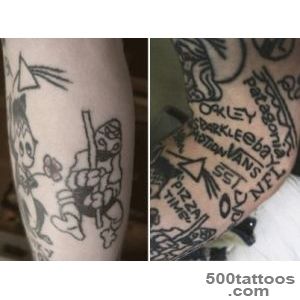
Some people genuinely prefer the wobbly, handmade look of a non-professional tattoo because it feels personal and unpolished.
That aesthetic has value, but it does not require unsafe methods to achieve.
A growing number of professional hand poke artists specialize in work that looks intentionally raw while being executed safely.
These artists use sterile, single-use needles and professional-grade ink, giving you the look without the risk.
Safer alternatives for the DIY look
Stick-and-poke studios offer the hand-done feel in a licensed, sanitized environment with proper aftercare guidance.
Some machine tattoo artists can replicate a naive, hand-drawn style by using loose linework and irregular spacing on purpose.
Temporary tattoo markers and henna paste allow experimentation with design and placement before committing to permanent ink.
If the urge to tattoo yourself is strong, consider attending a beginner tattoo workshop where you learn on practice skin under professional supervision.
Making an informed decision
The choice to get a homemade tattoo should be made with full knowledge of the consequences, not under peer pressure or impulsive circumstances.
A professional tattoo in a safe studio costs more than a DIY attempt but avoids medical bills, scarring, and the expense of future cover-ups.
If cost is the barrier, many studios offer small simple pieces at entry-level prices that still meet safety standards.
Your skin is permanent; the method you choose to mark it should reflect that permanence.
Homemade tattoo designs and images