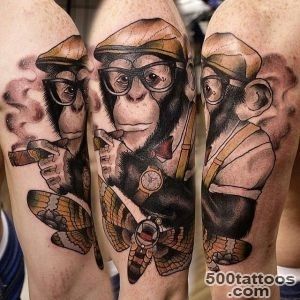
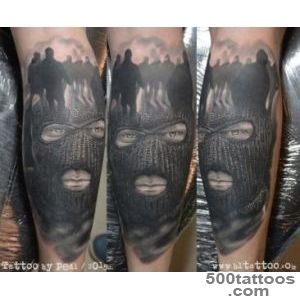
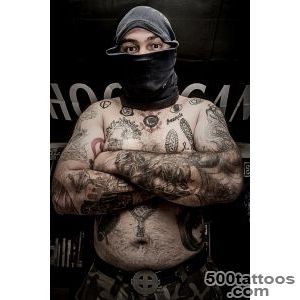
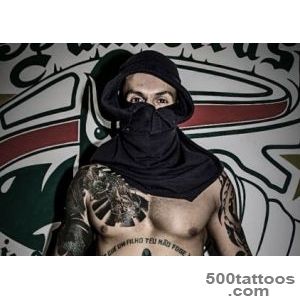
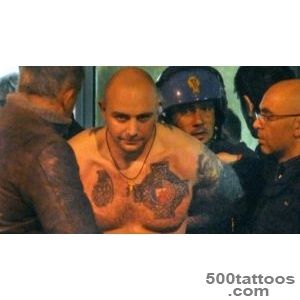
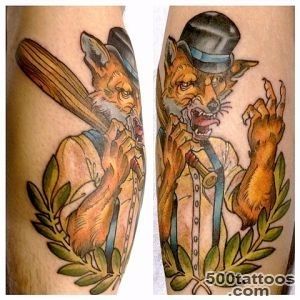
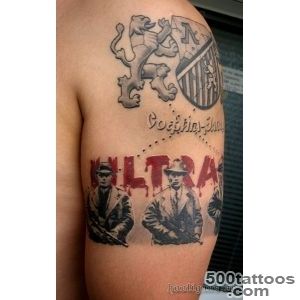
Hooligan tattoos
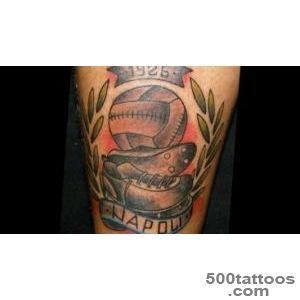
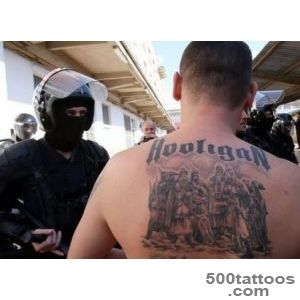
Hooligan tattoos sit in a difficult space because the word itself carries a strong charge that changes depending on who reads it.
For some, it is a tongue-in-cheek nod to a rebellious past or a love for football culture.
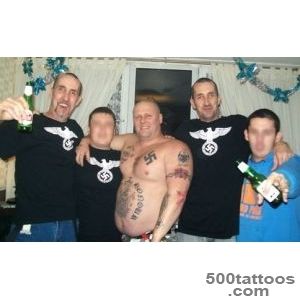
For others, the term signals real aggression, and a visible tattoo with that label can create assumptions that are hard to undo.
If you are drawn to the energy behind the idea, this guide covers what the imagery communicates and how to make informed choices.
Where the term comes from and how it reads today
The word hooligan entered English in the late 1800s and became tightly linked to football violence in the decades that followed.
In some European countries it still appears in police reports and media coverage of organized disorder.
Wearing the word on your body is a statement, and the audience decides how to interpret it.
In casual settings the tattoo might read as humor, but in border crossings, job interviews, or legal contexts, the reaction can be very different.
Self-awareness about those reactions is not weakness; it is practical planning.
Imagery and symbols commonly used
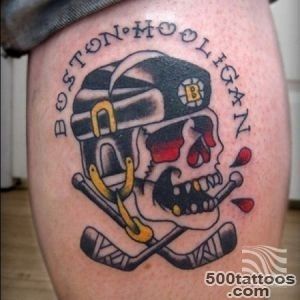
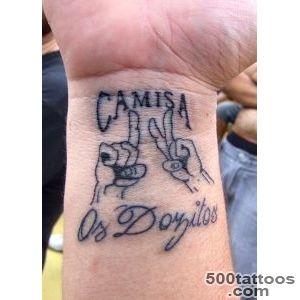
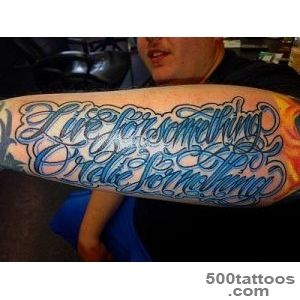
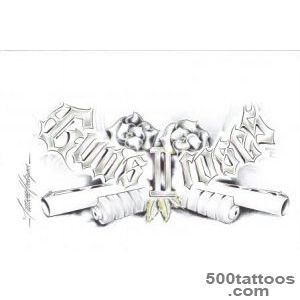
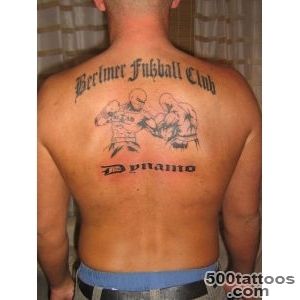
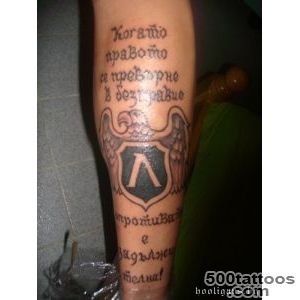
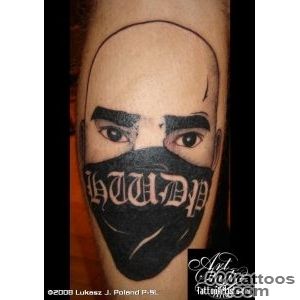
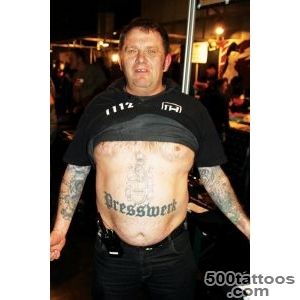
Bold sans-serif or blackletter text spelling out the word is the most direct approach.
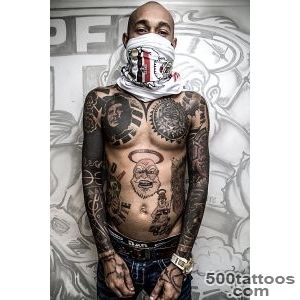
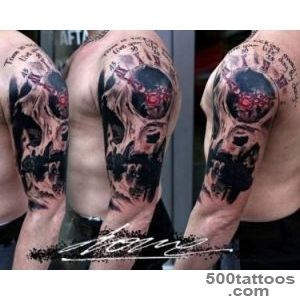
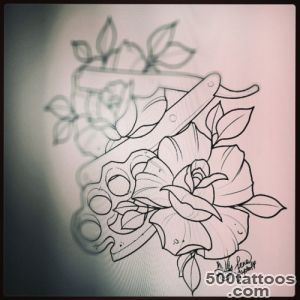
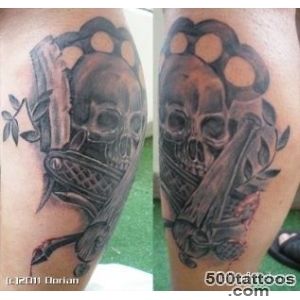
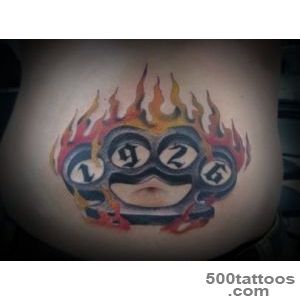
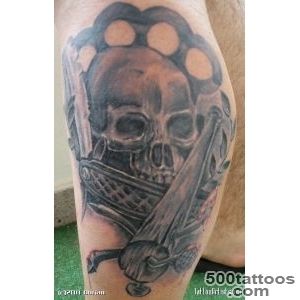
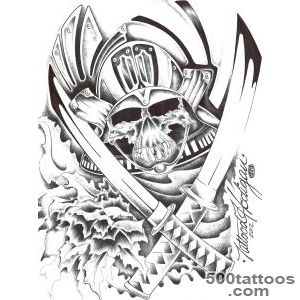
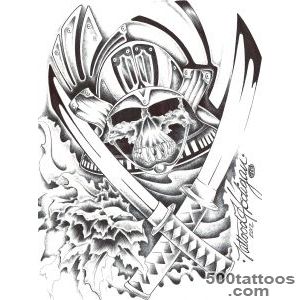
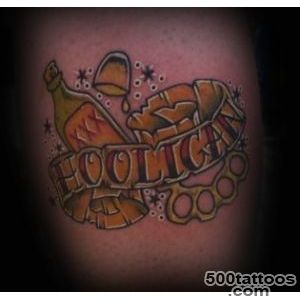
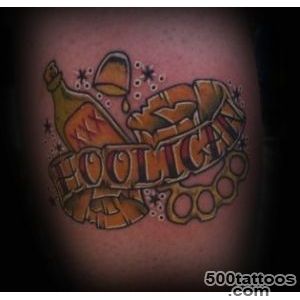
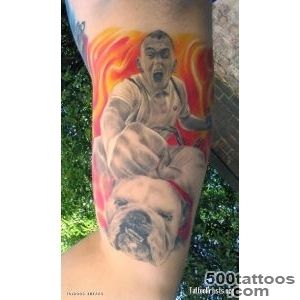
Some designs incorporate brass knuckles, broken bottles, or snarling dogs to underline the aggressive tone.
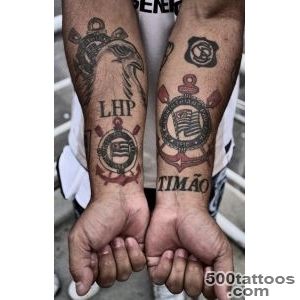
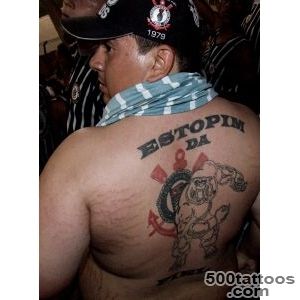
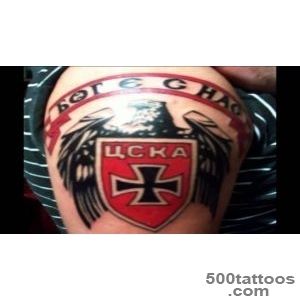
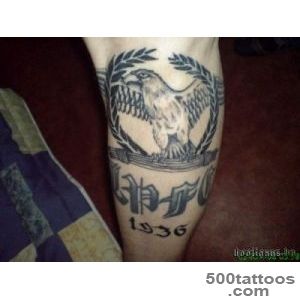
Football scarves, terraces, and flares reference the stadium subculture without necessarily endorsing violence.
Others pair the word with ironic elements like top hats or monocles to signal that the label is meant as self-deprecating humor.
The visual tone you choose determines whether the piece reads as threatening or playful.
Social and professional risks
Employers in many industries will form opinions before you have a chance to explain the context.
Travel to countries with strict entry screening can include visible tattoo checks, and provocative imagery raises questions.
Even in social circles, the design may attract people you did not intend to attract or repel people you wanted to keep close.
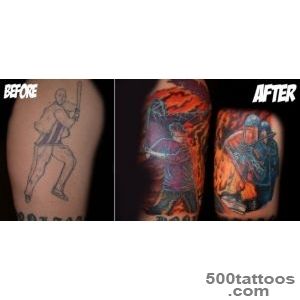
If you already have a piece that has caused problems, a skilled cover-up artist can redirect the theme without losing the boldness.
Alternatives that keep the edge
If the appeal is toughness rather than the specific label, consider imagery that carries strength without loaded cultural signals.
Armored animals, abstract geometric patterns, or stylized fists convey power without naming a movement.
Dark neo-traditional work or heavy blackwork can feel just as intense without the social baggage.
A skilled artist can help you find a concept that captures defiance while staying flexible across different settings.
Placement decisions that matter
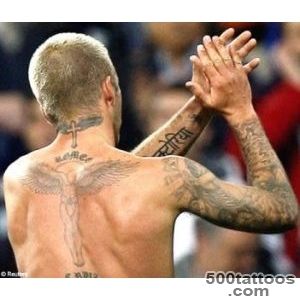
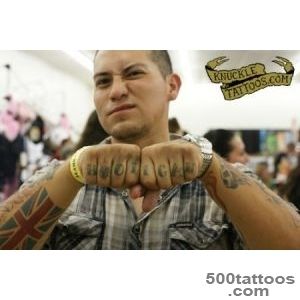
Hands, knuckles, and neck tattoos are the hardest to cover and the first to draw judgment.
Upper arms, chest, and thighs offer the same canvas with the option to reveal or conceal.
If the piece includes text, choose a size that keeps letters crisp, because blurred aggressive text looks unfinished rather than tough.
Whatever you decide, make sure the decision is fully yours and not the result of group pressure in a moment of adrenaline.
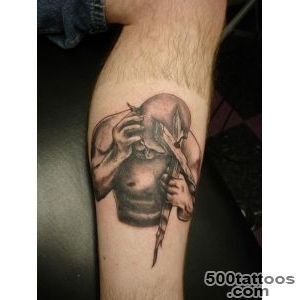
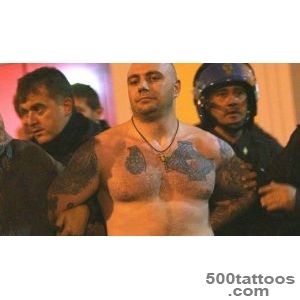
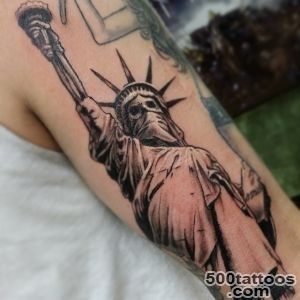
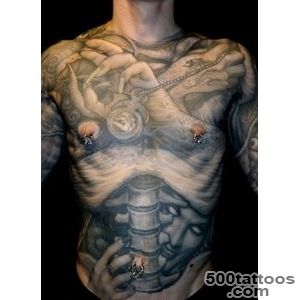
Hooligan tattoos designs and images