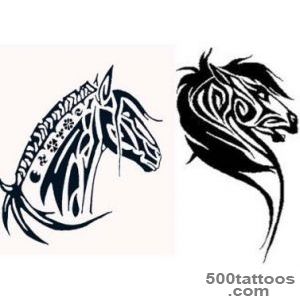
Horse tattoo

Horse tattoos connect to a deep human history because the bond between people and horses shaped civilizations, from ancient cavalry to modern ranching.
The animal represents freedom and forward movement, but it also carries themes of loyalty, partnership, and raw physical power.
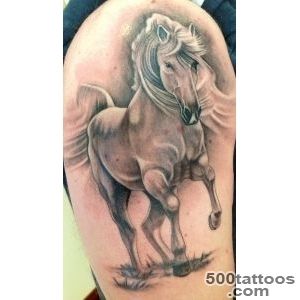
A well-composed horse tattoo captures motion even on still skin, which is why pose and style matter as much as subject matter.
Adding a horseshoe accent can introduce a luck element without changing the overall tone.
What horses symbolize across cultures
In Celtic tradition the horse was linked to sovereignty and the goddess Epona, who protected riders and their animals.
Native American imagery often connects horses with wind, endurance, and spiritual travel between worlds.
In Chinese astrology the horse represents energy, ambition, and a restless drive to explore.
Across Western culture, the wild mustang stands for untamed independence, while a calm horse in harness suggests discipline and service.
For equestrians, the tattoo may simply honor a specific animal that shaped their daily life.
Capturing movement in the design
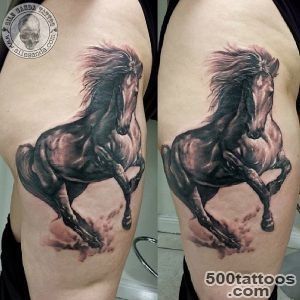
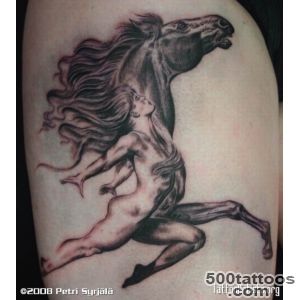
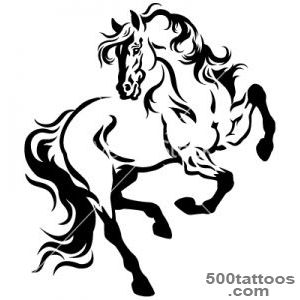
A galloping horse with extended legs creates the most dynamic composition but requires enough space for the limbs to read clearly.
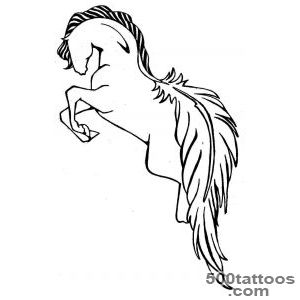
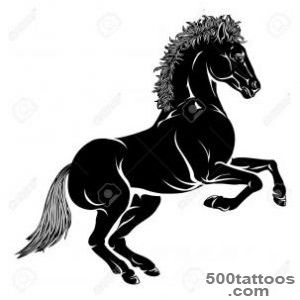
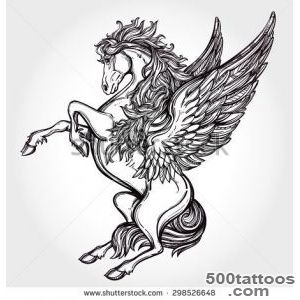
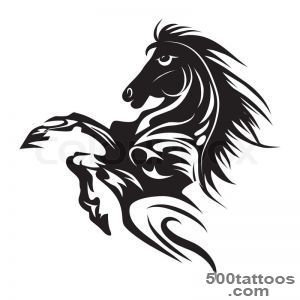
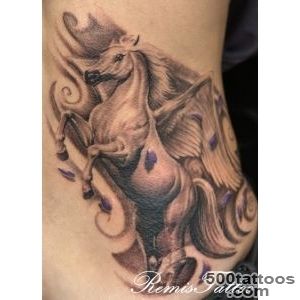
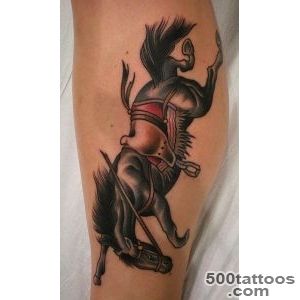
A rearing pose emphasizes power and defiance, making it a natural fit for people drawn to bold statements.
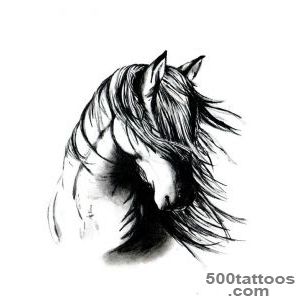
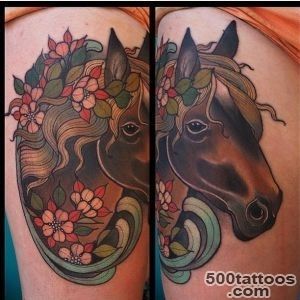
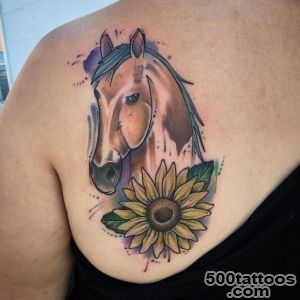
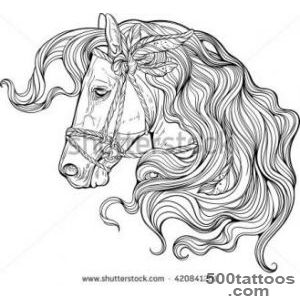
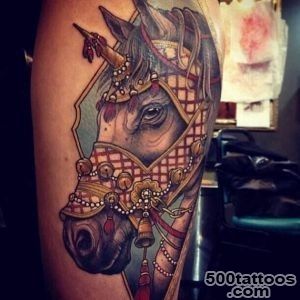
A standing profile portrait feels calmer and works at smaller sizes, focusing on the head, mane, and expression.
Adding a subtle dust cloud, grass motion, or wind-swept mane gives the illusion of speed without extra complexity.
If the piece includes a rider, keep the human figure secondary so the horse remains the visual anchor.
Realism versus stylized approaches
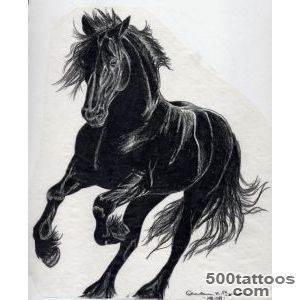
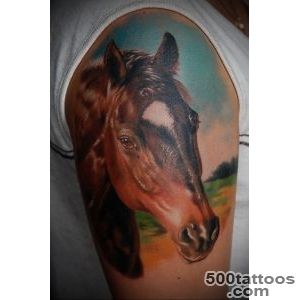
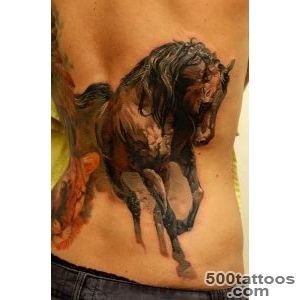
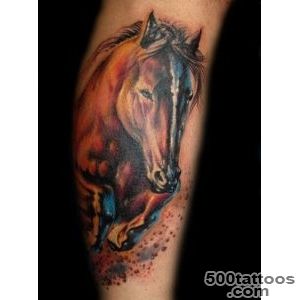
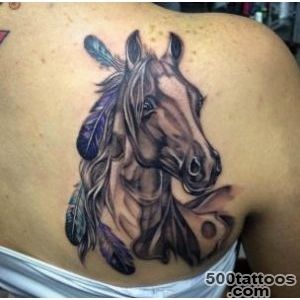
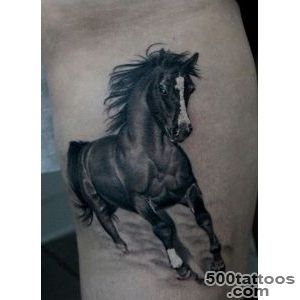
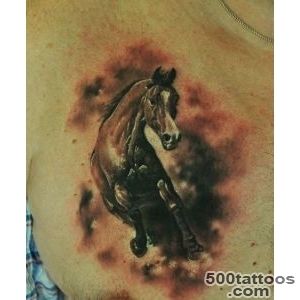
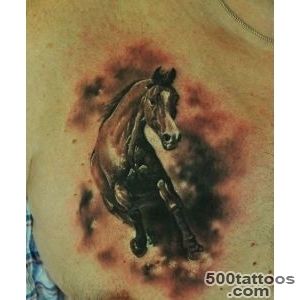
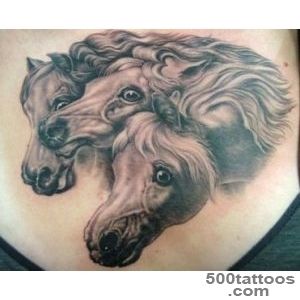
Photorealistic horse tattoos showcase muscle definition, coat texture, and eye detail, but they demand a large canvas and a specialist artist.
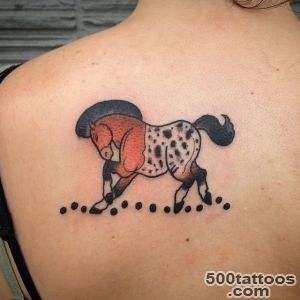
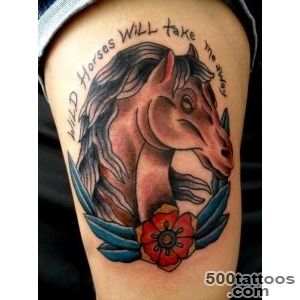
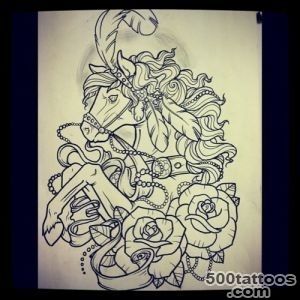
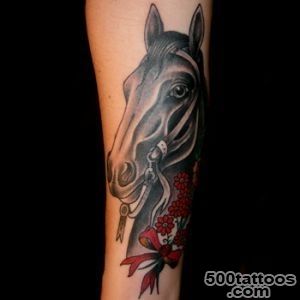
Traditional American style simplifies the form into bold outlines and flat color, giving the piece a graphic, poster-like quality.
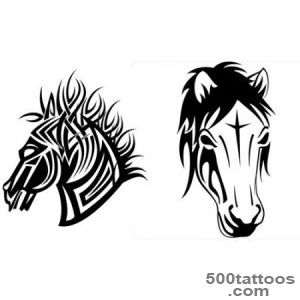
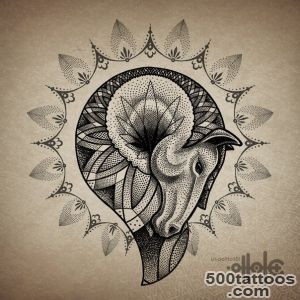
Geometric horses break the silhouette into triangles and lines, creating a modern look that suits smaller placements.
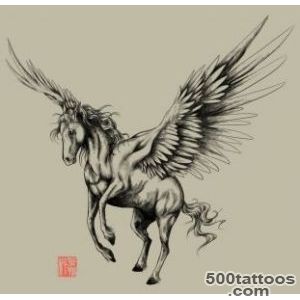
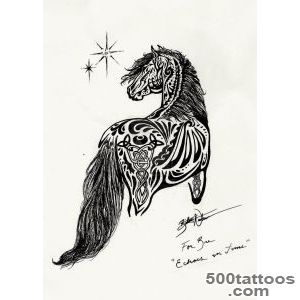
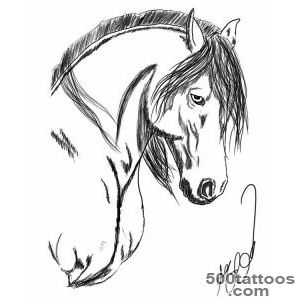
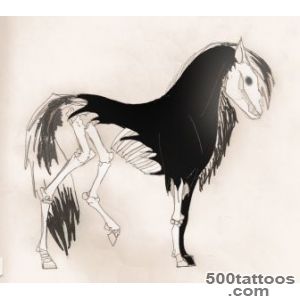
Sketch-style horses use loose, visible strokes that feel spontaneous and artistic rather than polished.
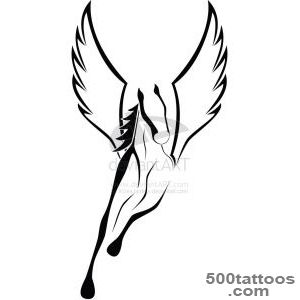
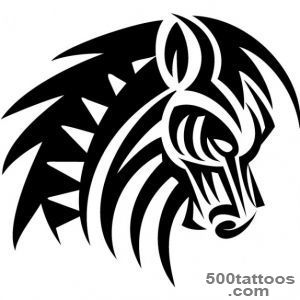
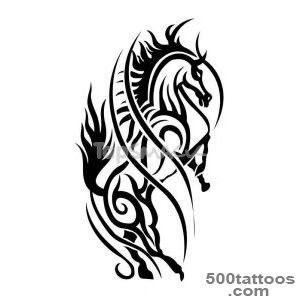
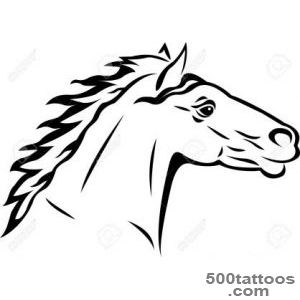
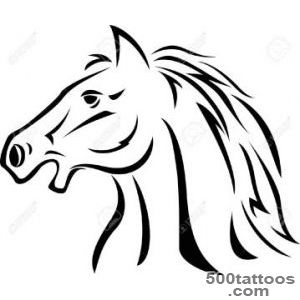
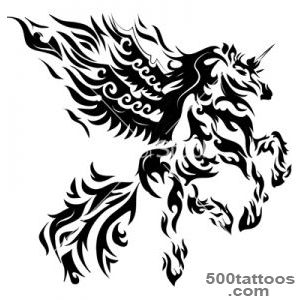
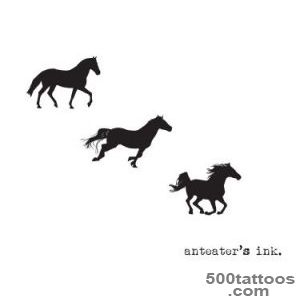
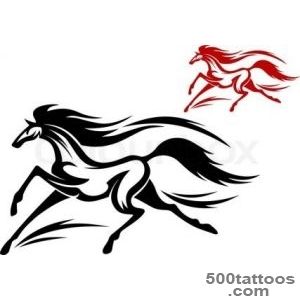
Blackwork silhouettes are striking on forearms or calves, especially when the mane and tail are exaggerated for dramatic effect.
Best placements for horse tattoos
The thigh offers the largest flat area and suits full-body galloping poses that wrap slightly around the leg.
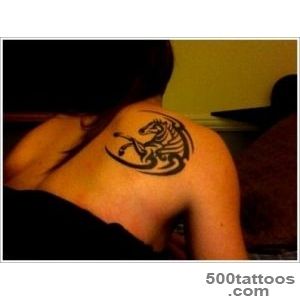
Upper arms and shoulders work well for head portraits or rearing poses that follow the curve of the deltoid.
The ribcage provides a tall, narrow canvas that suits vertical compositions like a horse mid-jump.
Forearms are good for simplified silhouettes or head-only designs where detail needs to stay readable at smaller sizes.
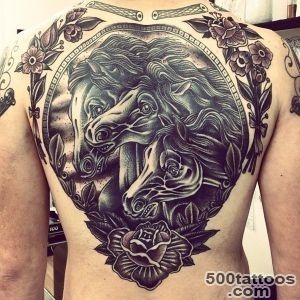
The back accommodates panoramic scenes with a horse running through a landscape, though it requires multiple sessions.
Color, contrast, and longevity
Dark horses, black, bay, or dark brown, benefit from strong shading that holds contrast as the ink matures.
White or grey horses need a background tone to prevent the outline from disappearing into pale skin.
Adding a warm sunset or cool blue sky behind the horse introduces color without painting the animal in unrealistic hues.
Bold outlines around the main silhouette help the design stay defined as fine interior details naturally soften over time.
Horse tattoo designs and images