Insects tattoo
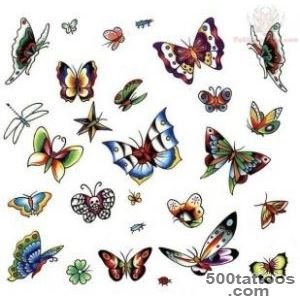
Insect tattoos cover a huge range of creatures, each with its own visual appeal and symbolic weight. From delicate butterflies and dragonflies to fearsome scorpions and spiders, insect designs can be elegant, bold, spiritual, or darkly atmospheric depending on the species and style you choose.
Popular insects and their meanings
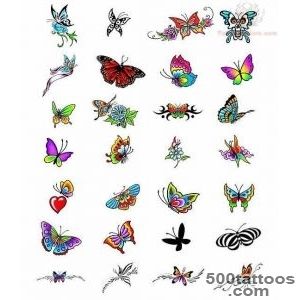
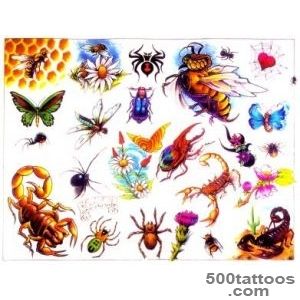
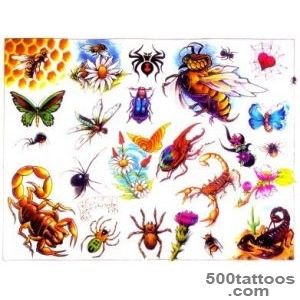
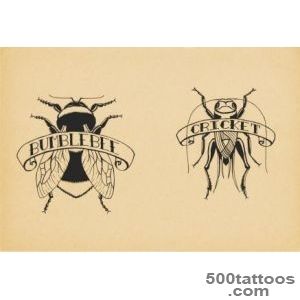
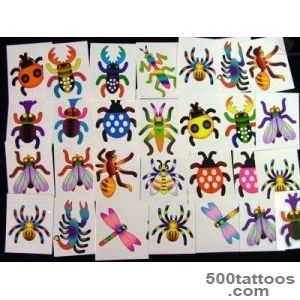
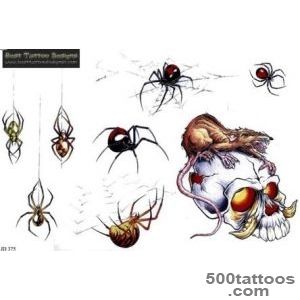
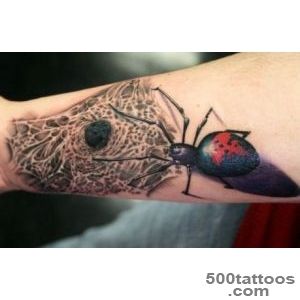
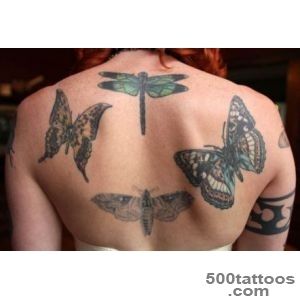
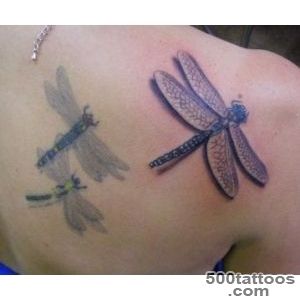
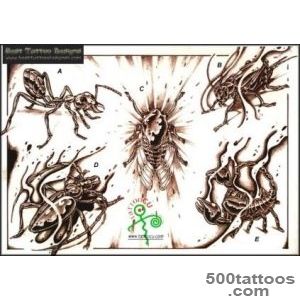
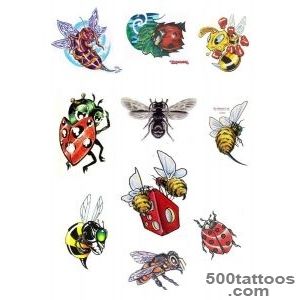
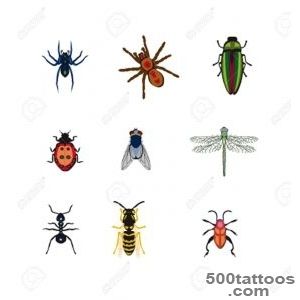
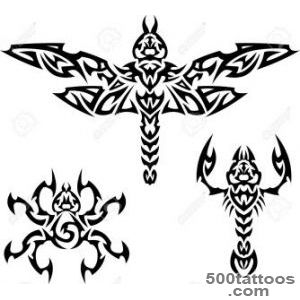
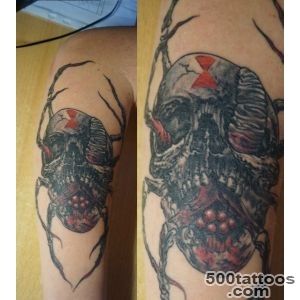
Butterflies are the most popular insect tattoo, symbolizing transformation and beauty. Dragonflies represent change and adaptability. Bees stand for hard work, community, and loyalty. Ladybugs are linked to good luck and protection. Scarab beetles carry ancient Egyptian symbolism of rebirth and renewal. Spiders can represent patience, creativity, or darker themes depending on the visual context. Scorpions signal intensity, protection, and resilience. Each species brings its own story to the design.
Design styles
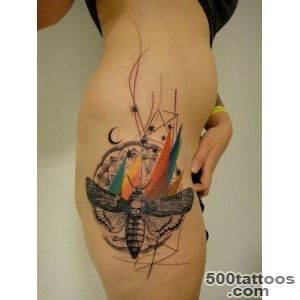
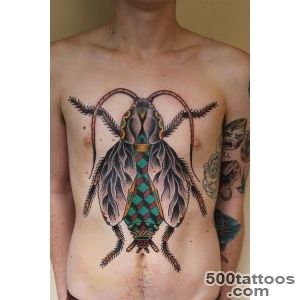
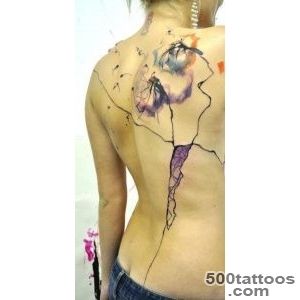
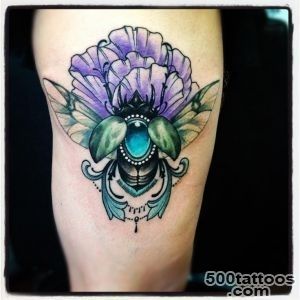
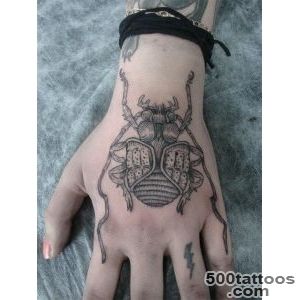
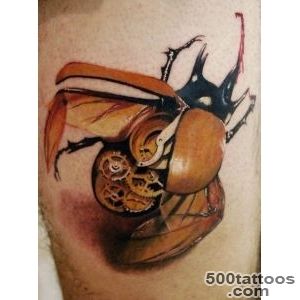
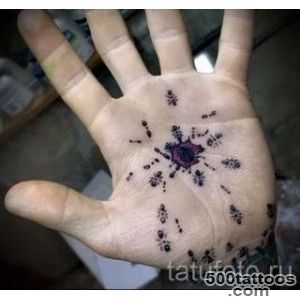
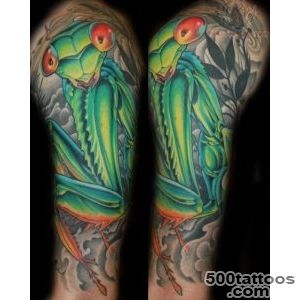
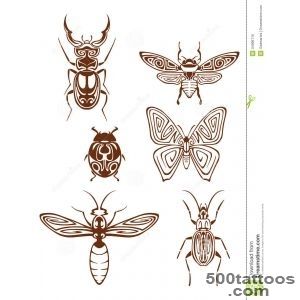
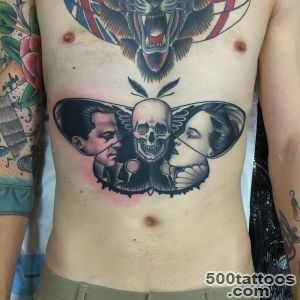
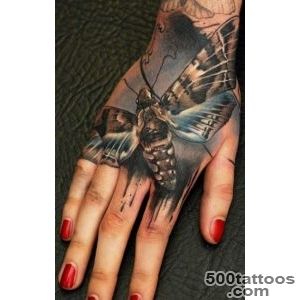
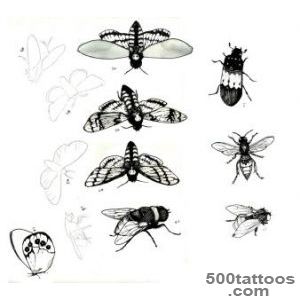
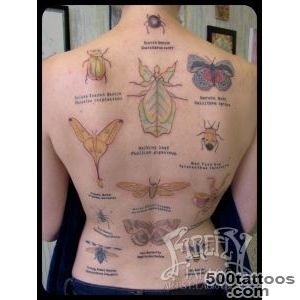
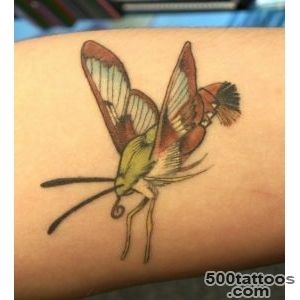
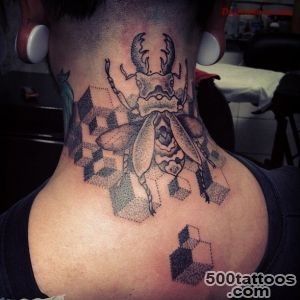
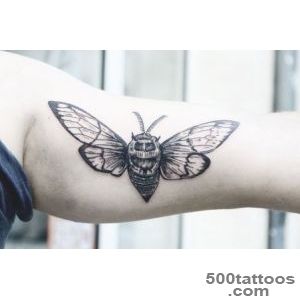
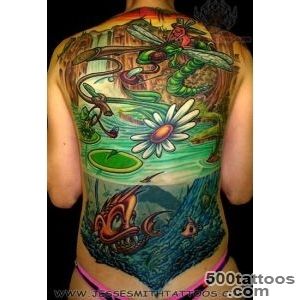
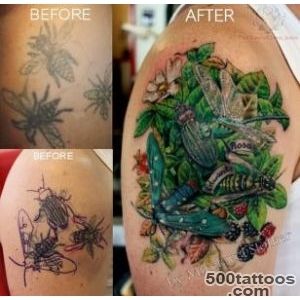
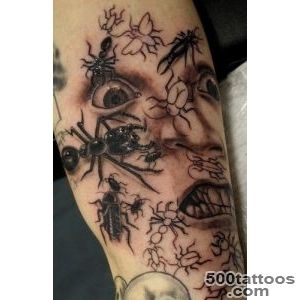
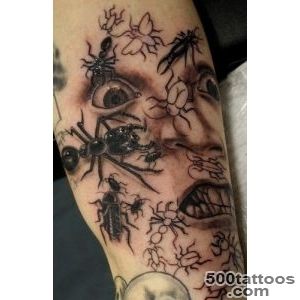
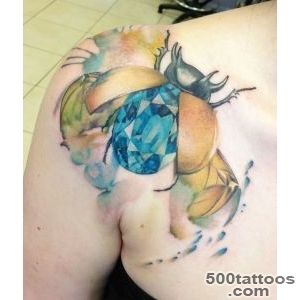
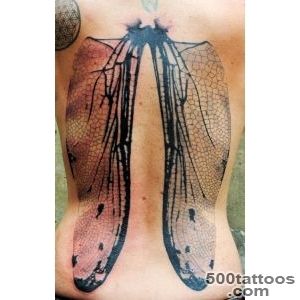
Realism captures the intricate detail of wings, antennae, and body segments, which is especially effective for butterflies, beetles, and dragonflies. Neo-traditional styles use bold outlines and rich color to give insects a graphic, illustrative feel. Blackwork and dotwork can turn an insect into a geometric or mandala-style piece. Minimalist approaches reduce the insect to clean lines and simple shapes, which works well for small placements where detail would otherwise blur.
Composition ideas
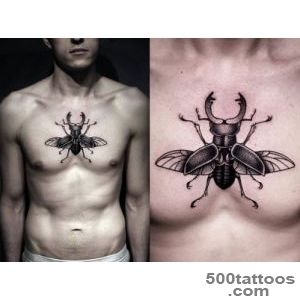
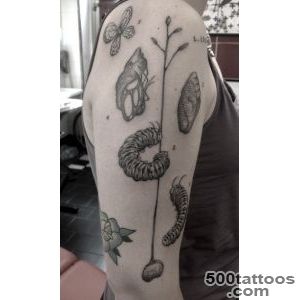
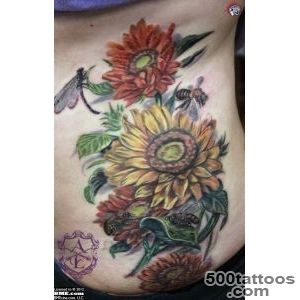
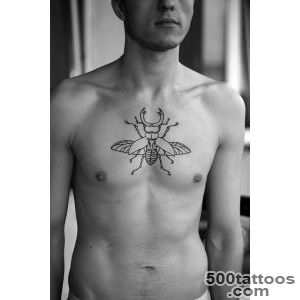
A single insect can stand alone as a focused piece, or you can build a composition with flowers, leaves, and other natural elements. A butterfly resting on a bloom, a bee circling a honeycomb pattern, or a scarab framed by Egyptian motifs all create richer storytelling. Symmetrical layouts with two mirrored insects or a centered beetle with mandala wings suit chest and sternum placements especially well.
Placement and size
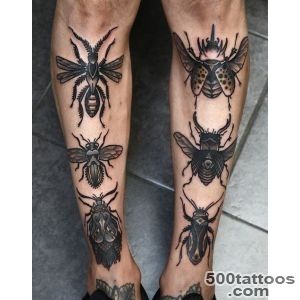
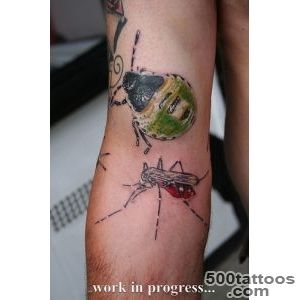
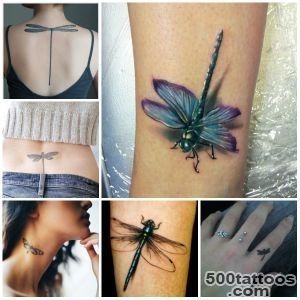
Small insects like bees and ladybugs fit well on the wrist, finger, or behind the ear. Medium designs covering butterflies, dragonflies, and moths work on the forearm, shoulder, or ankle. Larger pieces like a detailed spider or scorpion suit the thigh, calf, or back. Keep wing details large enough to stay crisp as the tattoo ages and discuss line weight with your artist before committing to a size.
Insects tattoo designs and images