Mantis tattoo
The praying mantis is one of the most visually striking insects in nature, and its image on skin carries a tangle of contradictions: patience and aggression, piety and predation, stillness and sudden violence. That duality is exactly what draws people to this subject, because it mirrors the complexity of real human nature.
Cultural Meanings Across the World
In many Muslim traditions the mantis is respected because its resting posture appears to face Mecca in prayer. Several African cultures believe the insect can point travelers north and associate it with creation myths. In China and Japan the mantis is linked to martial strategy, courage, and focused aggression, which is why an entire kung fu style bears its name. These layered readings mean the same image can communicate devotion, cunning, or quiet power depending on context.
Patience, Precision, and Predatory Grace
What makes the mantis compelling as a symbol is the way it waits. It holds perfectly still for minutes or hours, then strikes faster than the eye can track. As a personal emblem, that pattern resonates with people who value discipline, strategic thinking, and the ability to act decisively when the moment arrives. The insect reminds us that restraint and power are not opposites but partners.
The Feminine and the Fearsome
The well-known mating behavior, where the female sometimes consumes her partner, has made the mantis a symbol of feminine dominance and independence. Some people choose this design specifically to reference that dynamic: strength that does not apologize, survival that comes first. Others simply appreciate the dramatic narrative it adds to the composition.
Visual Styles and Composition Ideas
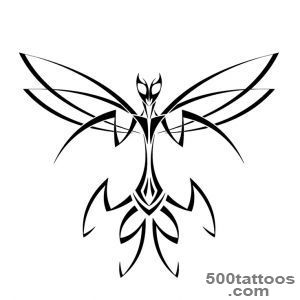
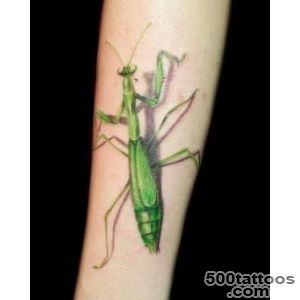
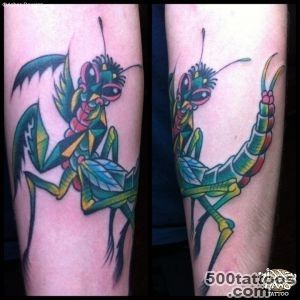
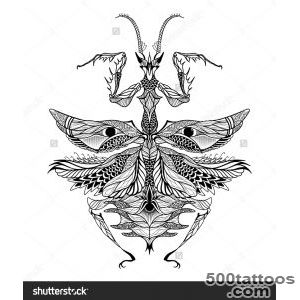
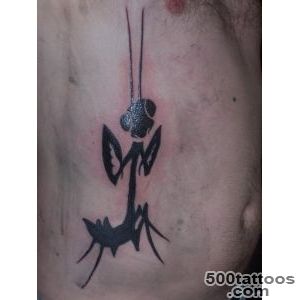
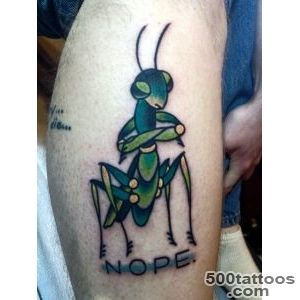
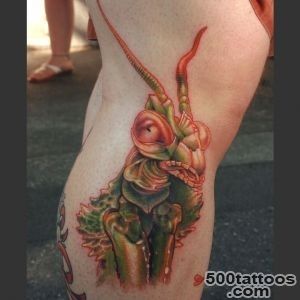
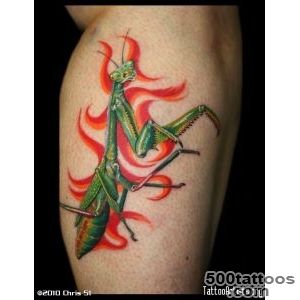
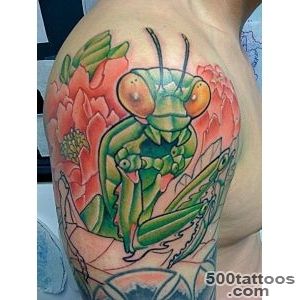
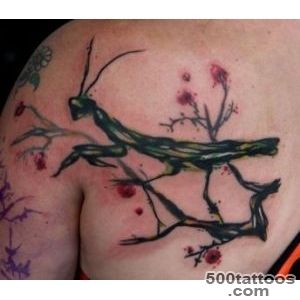
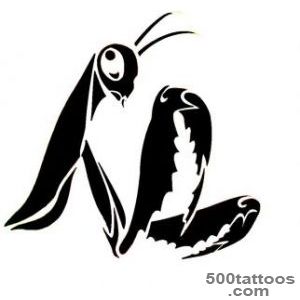
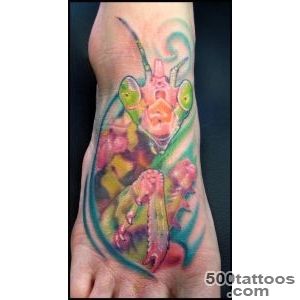
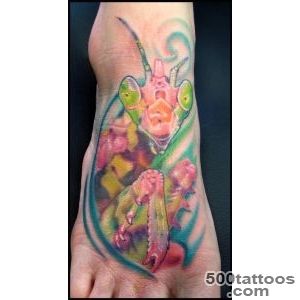
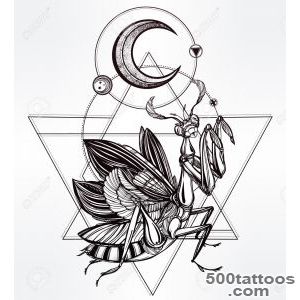
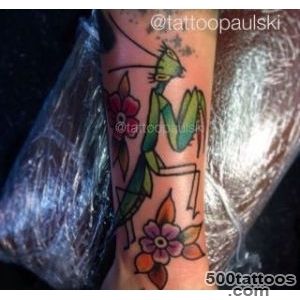
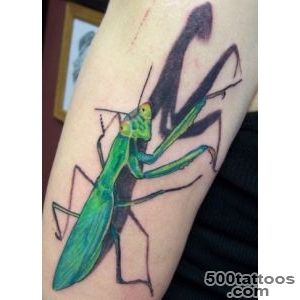
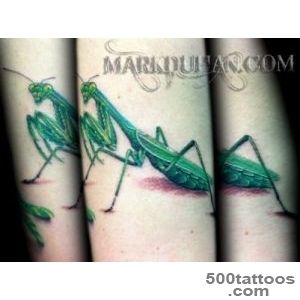
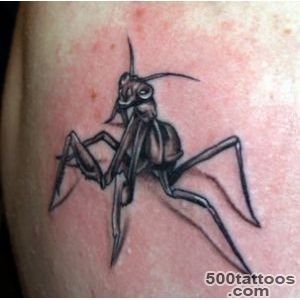
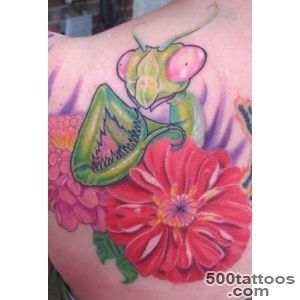
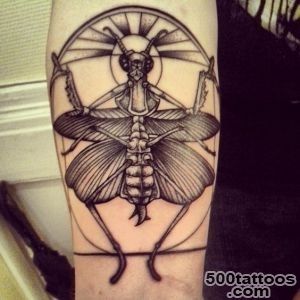
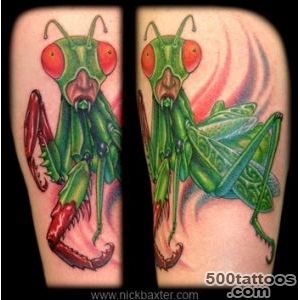
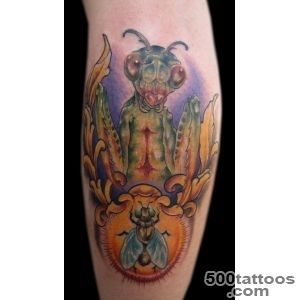
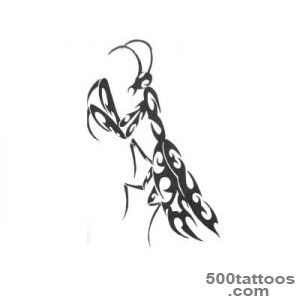
Realistic renderings capture the translucent wings, segmented limbs, and alien head shape that make the mantis so distinctive. Neo-traditional outlines with bold color can turn it into a graphic statement, while blackwork and dotwork emphasize the geometric angles of the folded arms. Pairing the insect with flowers, leaves, or prey creates a natural scene that adds depth and context.
Placement and Sizing
The elongated body of a mantis fits naturally along the forearm, calf, or outer thigh. A vertical orientation on the inner bicep can create a dramatic reveal when the arm flexes. Smaller versions work on the wrist or behind the ear, but the details of the legs and head need enough space to remain distinct after healing.
Aftercare for Insect Detail Work
Thin legs and delicate wing veins demand clean healing, so keep the area moisturized and out of direct sun for the first few weeks. Expect fine lines to soften slightly over time, and plan a touch-up session if you chose a highly detailed realistic style.
Mantis tattoo designs and images