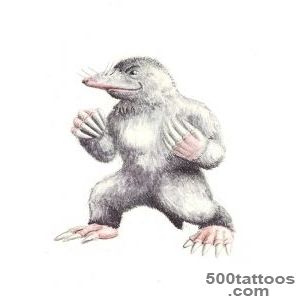
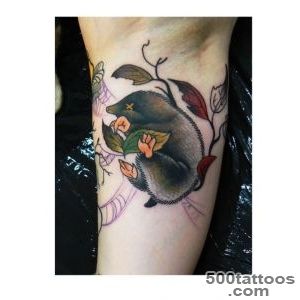
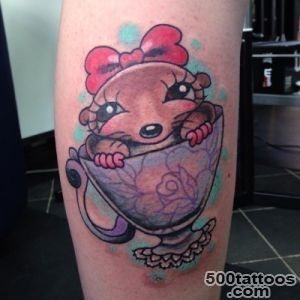
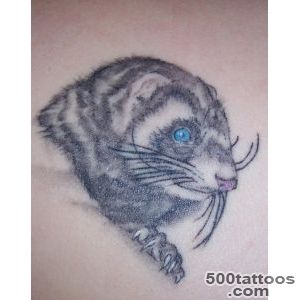
Mole tattoo
Despite sharing the order Lepidoptera with butterflies, moths occupy their own symbolic territory: nocturnal, mysterious, drawn to light, and quietly beautiful in muted tones. As body art, a moth represents the parts of life that happen in the dark, the transformations no one else sees, and the instinct to seek brightness even when the path is uncertain.
Symbolism of the Nocturnal Wing
Where butterflies symbolize daytime joy and visible transformation, moths carry themes of hidden change, vulnerability, and determination. The famous image of a moth circling a flame speaks to obsession, desire, and the willingness to risk everything for something that calls to you. In many cultures moths are considered messengers from the spirit world, visiting at night to deliver guidance or comfort from those who have passed on.
Transformation and the Quiet Cocoon
Like all Lepidoptera, moths undergo complete metamorphosis: egg, larva, pupa, adult. But the moth's cocoon stage happens in darkness and silence, making it a powerful symbol for personal change that occurs out of public view. People who have survived difficult periods, overcome addiction, or rebuilt their identity in private often connect with this image because it validates growth that did not need an audience.
Cultural Readings Around the World
In ancient Mexico, moths were associated with stars and the trembling of flame, representing fragility and the fleeting nature of life. Chinese tradition links them to family harmony, while Japanese folklore connects them to the souls of the dead. Celtic mythology saw large moths as carriers of wishes. In modern Western culture, the death's-head hawkmoth became iconic through film and literature, adding an edge of gothic drama to the species.
Visual Styles and Composition
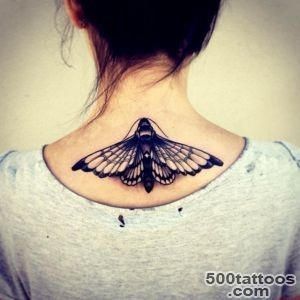
Realistic renderings capture the dusty texture of moth wings, the feathery antennae, and the subtle eye-spot patterns that make each species unique. Neo-traditional and illustrative styles allow bolder color choices and decorative framing with moons, stars, or botanical elements. Blackwork and dotwork emphasize symmetry and pattern, turning the moth into an almost mandala-like composition. A luna moth in pale green, an atlas moth with its enormous wingspan, or a death's-head with its skull-shaped thorax markings each offer a distinct visual identity.
Placement and Sizing
The symmetrical shape of a moth with spread wings fits naturally on the chest, upper back, or throat. A single wing along the forearm or calf creates an elongated composition with room for detail. Smaller moths work behind the ear, on the wrist, or at the nape of the neck. The delicate wing edges need enough space to remain distinct after healing, so avoid going too small if the species you chose has intricate patterning.
Aftercare for Delicate Detail
Moth designs often rely on soft gradients and fine lines that simulate the powdery wing surface. Keep the area protected from friction and sun during the healing period, and moisturize consistently. Plan a touch-up appointment after the initial heal to sharpen any lines that softened, especially in areas with thin skin like the inner arm or sternum.
Mole tattoo designs and images