Monkey tattoo
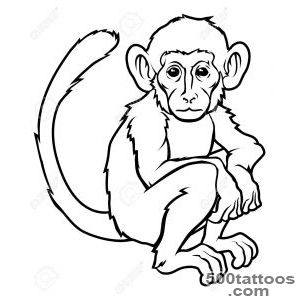
Few animals carry as wide a range of cultural meaning as the monkey. Depending on where and how it is depicted, the same creature can represent divine wisdom, playful mischief, raw instinct, or cunning intelligence. That versatility makes it an endlessly adaptable subject for body art.
Eastern Traditions and Sacred Primates
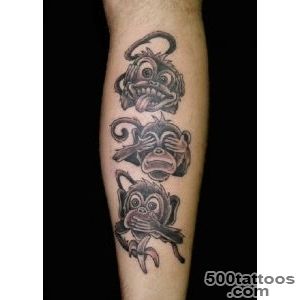
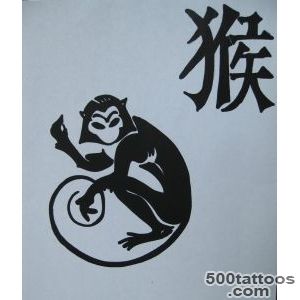
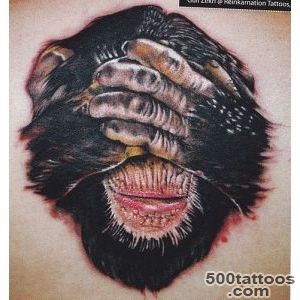
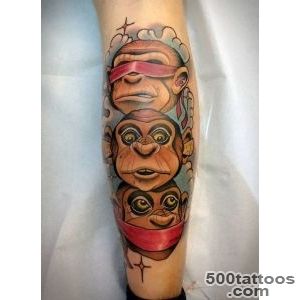
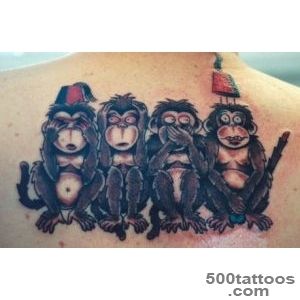
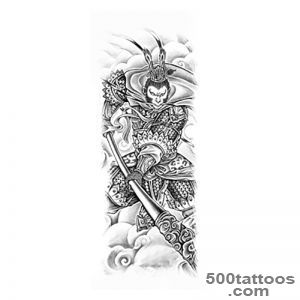
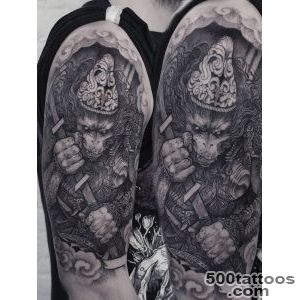
In Hinduism, the monkey god Hanuman embodies loyalty, courage, and selfless service. His image is a popular devotional choice that communicates strength of character and willingness to sacrifice for those you love. In Chinese culture, the Monkey King Sun Wukong is a beloved literary figure who represents rebellion, cleverness, and the journey from chaos to enlightenment. The Japanese three wise monkeys, covering eyes, ears, and mouth, offer a compact philosophical statement about discretion and moral awareness.
Western Associations and Modern Readings
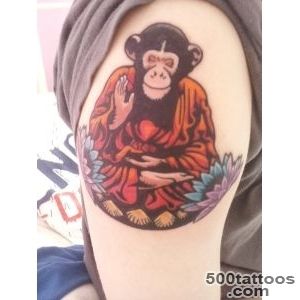
Western culture has historically associated primates with imitation, instinct, and unrestrained behavior, but contemporary interpretations are more nuanced. A monkey design can celebrate curiosity, adaptability, humor, and the refusal to take life too seriously. For people born in the Year of the Monkey in the Chinese zodiac, the image connects to personality traits like quick thinking, sociability, and resourcefulness.
Realism, Cartoon, and Everything Between
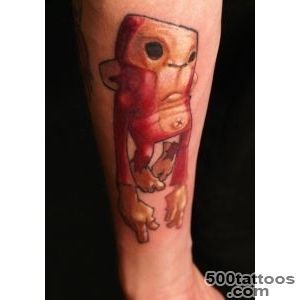
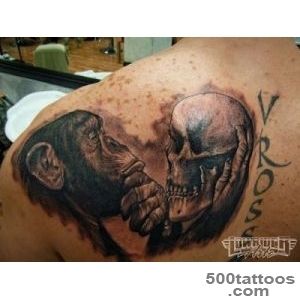
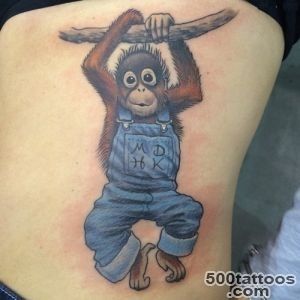
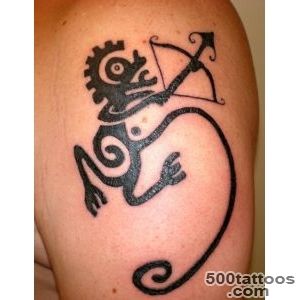
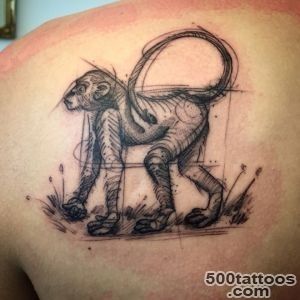
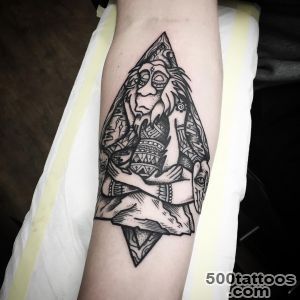
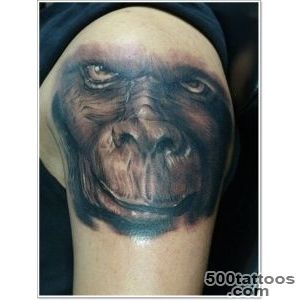
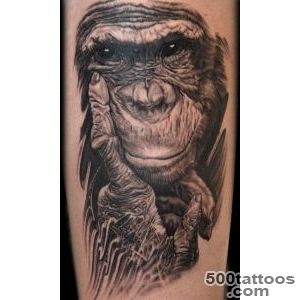
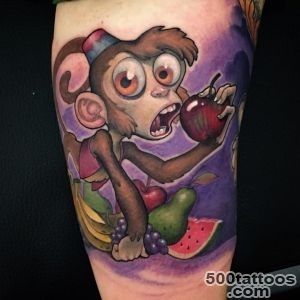
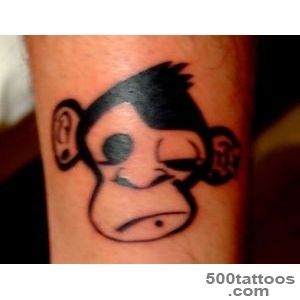
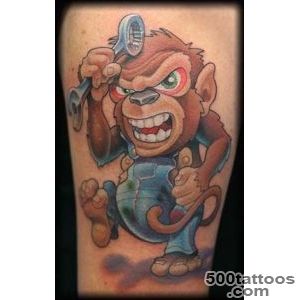
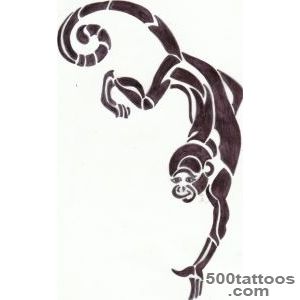
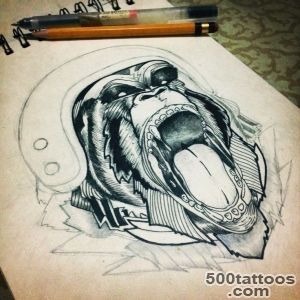
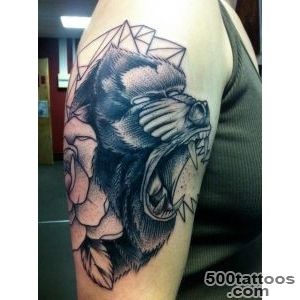
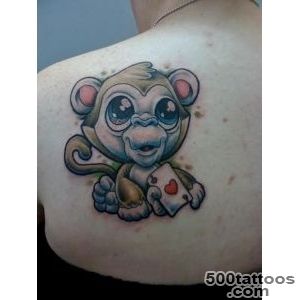
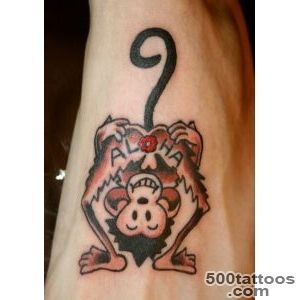
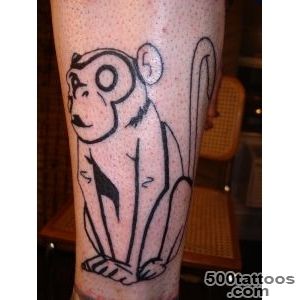
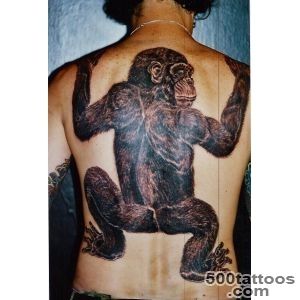
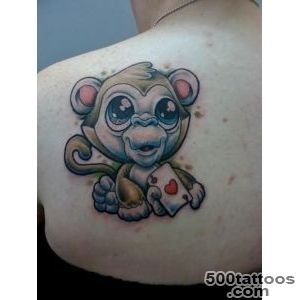
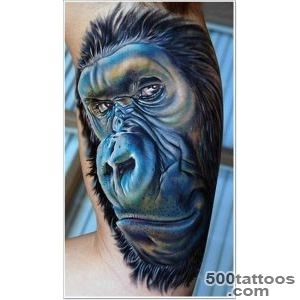
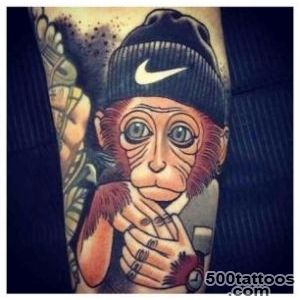
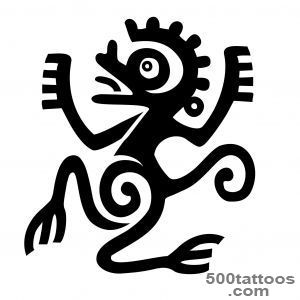
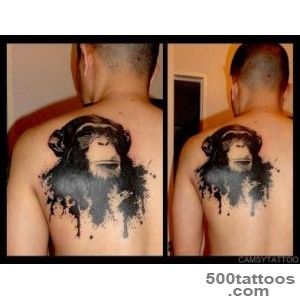
A photorealistic gorilla or chimpanzee portrait demands advanced shading skills and carries a serious, contemplative mood. A playful cartoon monkey brings levity and nostalgia. Japanese traditional style suits Hanuman or mythological depictions with bold outlines and flat color fields. Geometric or low-poly interpretations offer a modern, graphic alternative that abstracts the animal into angular shapes while keeping it recognizable.
Composition Ideas and Supporting Elements
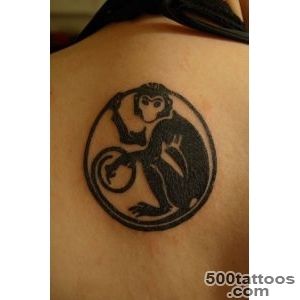
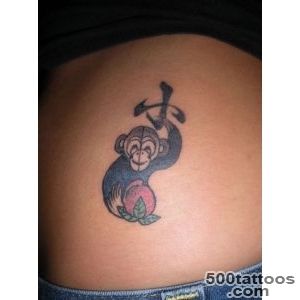
Monkeys interact with their environment more visibly than most animals, so compositions often include branches, fruit, jungle canopy, or temple architecture. A monkey holding a peach references Chinese immortality mythology. One perched on a skull combines playfulness with memento mori. Pair a primate with floral elements or geometric frames to control the mood and visual weight of the final piece.
Placement and Scale
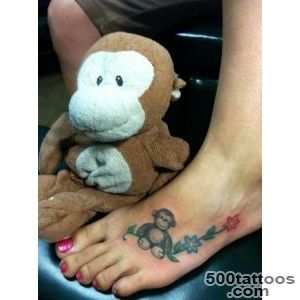
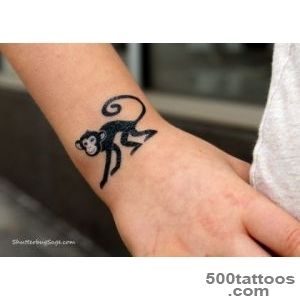
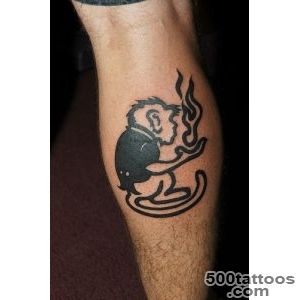
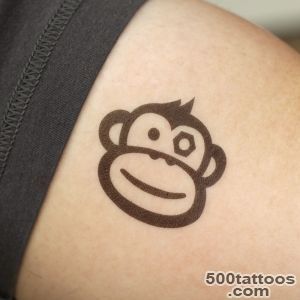
A single monkey portrait fits well on the upper arm, calf, or thigh. Larger compositions with environmental elements can fill a half-sleeve or back panel. The three wise monkeys work as a horizontal sequence across the forearm or as a vertical stack on the outer arm. Small minimalist outlines suit the wrist or ankle for a subtle, personal piece.
Color, Contrast, and Longevity
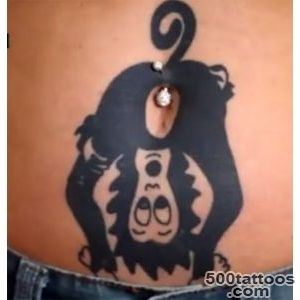
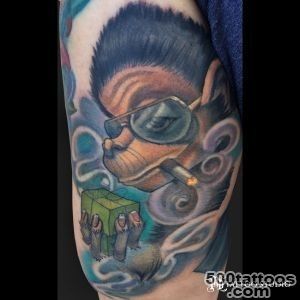
Black and gray work suits serious portrait-style pieces and ages reliably. Color realism can capture the striking face markings of mandrills or the golden fur of tamarins, but vibrant hues will need periodic refreshing. Bold outlines help any style hold its shape over time, so even if you prefer soft shading, ask your artist to build a strong structural foundation underneath.
Monkey tattoo designs and images