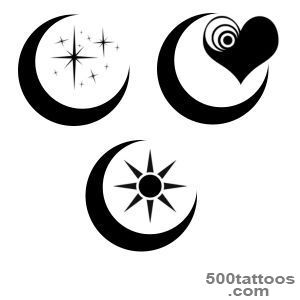
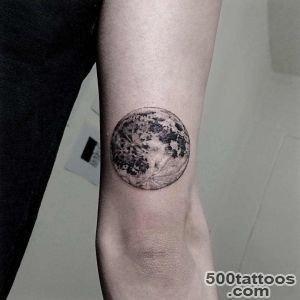
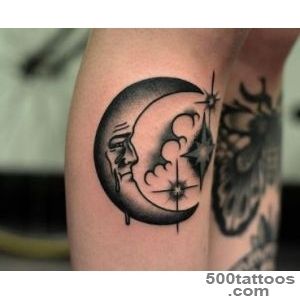
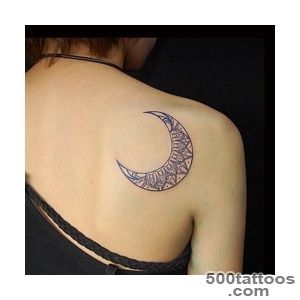
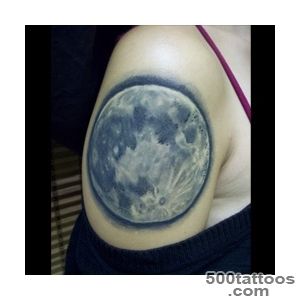
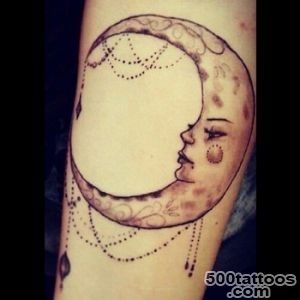
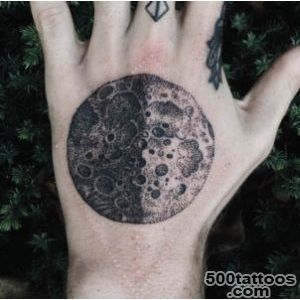
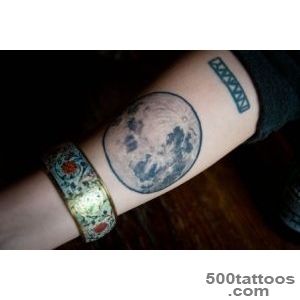
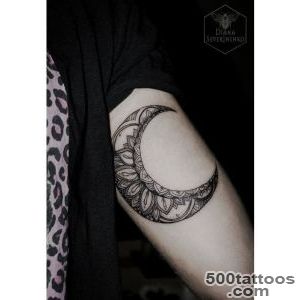
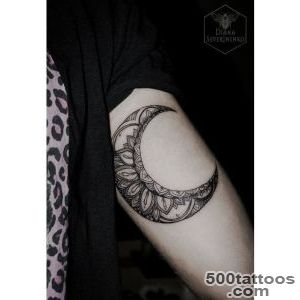
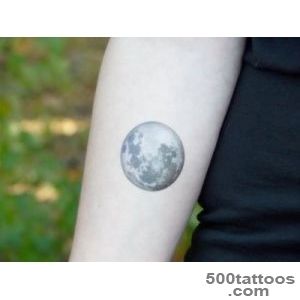
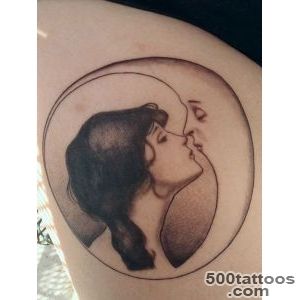
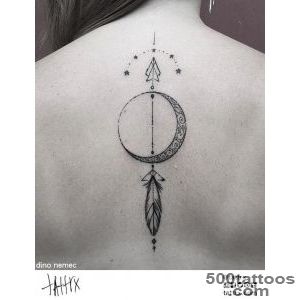
Moon tattoo
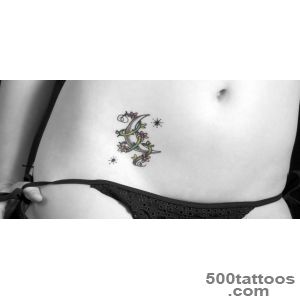
The moon is one of the most universally recognized symbols in human culture, representing cycles, mystery, feminine energy, and the constant presence of change. Its appeal in body art comes from both its visual beauty and its ability to carry deeply personal meaning without needing explanation.
Lunar Phases and What They Represent
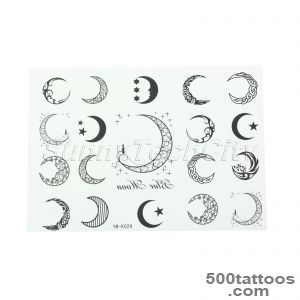
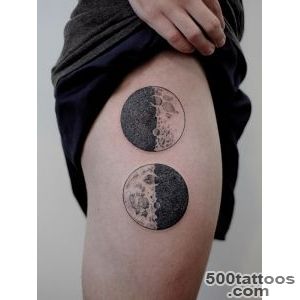
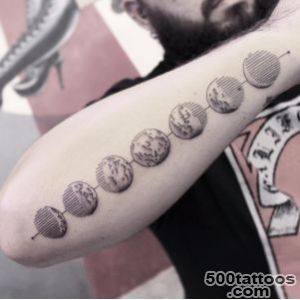
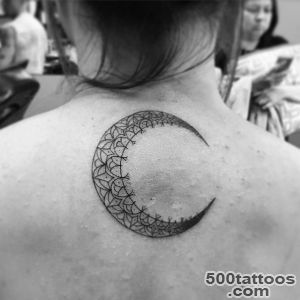
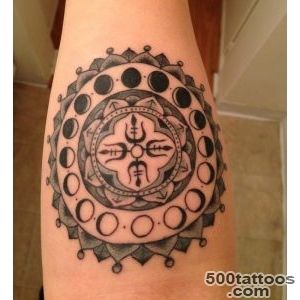
A crescent moon suggests new beginnings or transition. A full moon represents completeness, illumination, and peak energy. A waning moon can symbolize release, rest, or letting go. Many people choose a sequence of phases running across the forearm, spine, or collarbone to represent the full cycle of growth, fulfillment, and renewal. The specific phase you select can mark a moment in your life or express an ongoing philosophy about change.
Cultural and Mythological Roots
Ancient Egypt honored the moon through Isis and Thoth, linking it to wisdom and motherhood. In Greek mythology, Selene drove her silver chariot across the night sky. Hindu tradition connects the moon to Soma, a deity associated with the mind and emotions. The Celts worshiped Morgan as a moon goddess, and the Maya believed the satellite protected pregnant women. These layered histories give you a rich palette of references to draw from when designing your piece.
Moon and Companion Elements
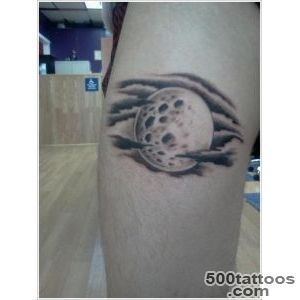
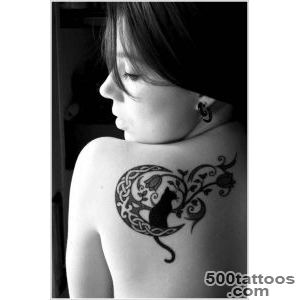
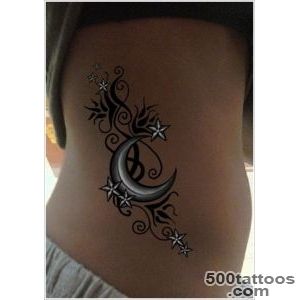
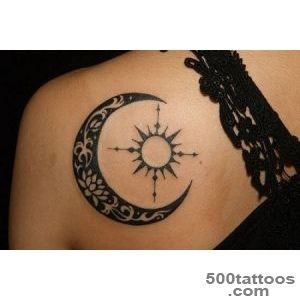
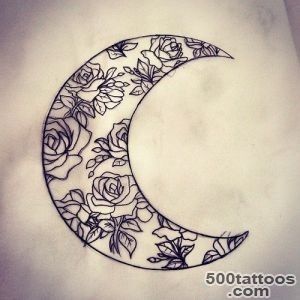
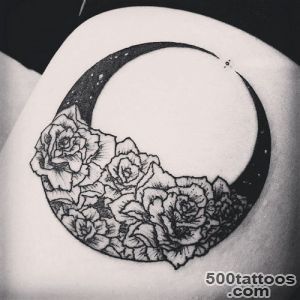
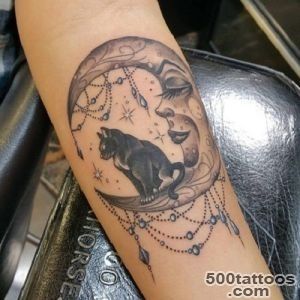
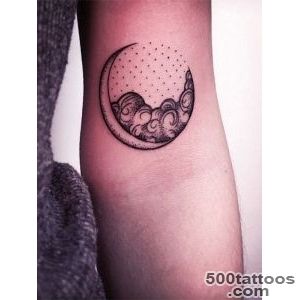
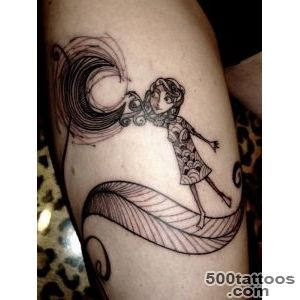
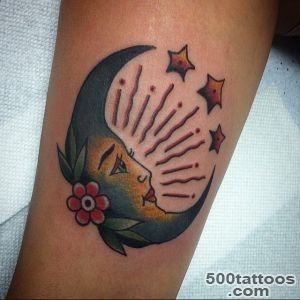
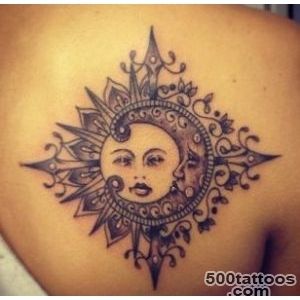
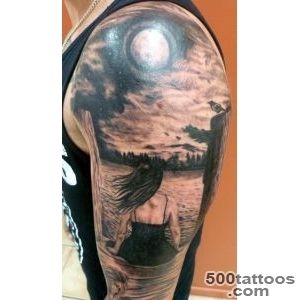
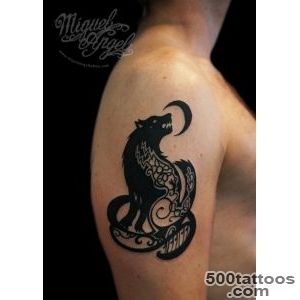
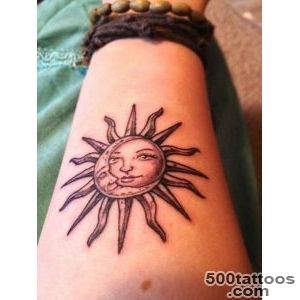
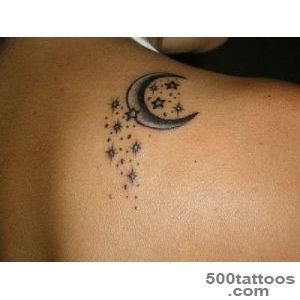
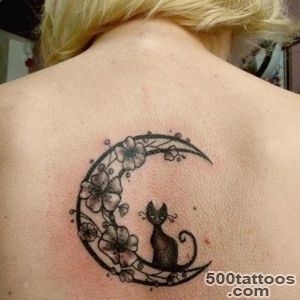
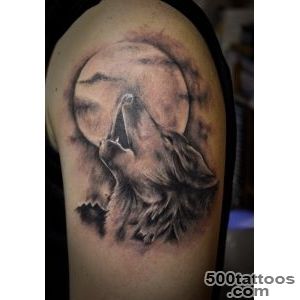
A wolf howling at the moon is a classic pairing that speaks to solitude, longing, and untamed instinct. Stars and constellations add cosmic context. Clouds partially obscuring the disk create an atmosphere of mystery. Flowers, particularly night-blooming species like moonflowers and jasmine, connect lunar imagery to nature and growth. A sun-and-moon combination represents balance, duality, and the completeness of opposing forces working together.
Style Options for Lunar Designs
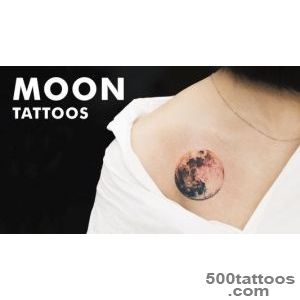
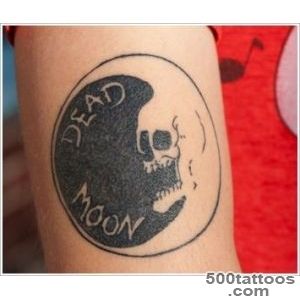
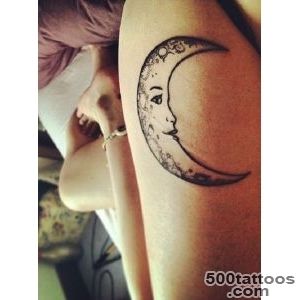
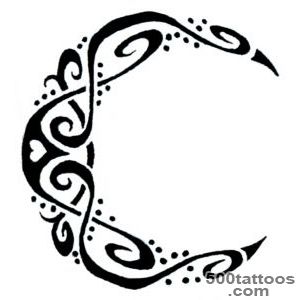
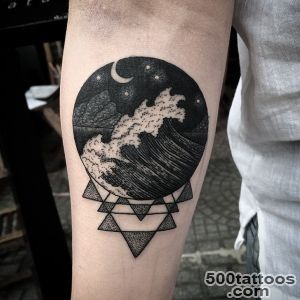
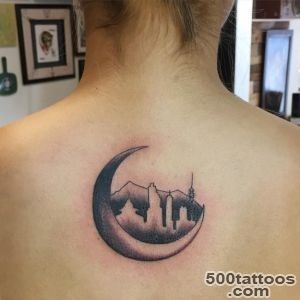
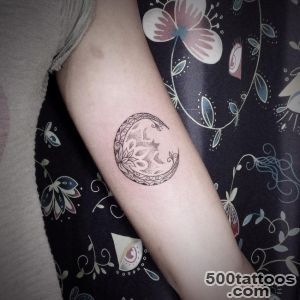
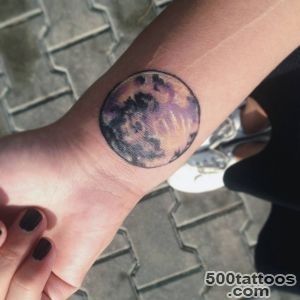
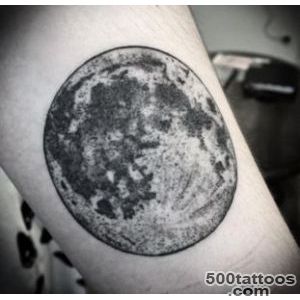
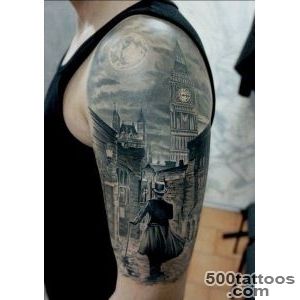
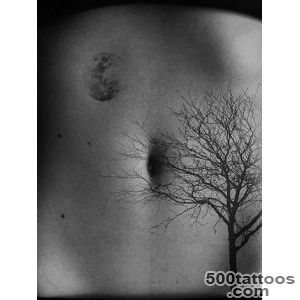
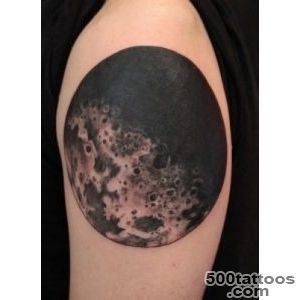
Fine-line work captures the delicate craters and subtle shading of a realistic lunar surface. Blackwork silhouettes create bold, graphic impact. Watercolor backgrounds can simulate a night sky with soft blues, purples, and indigos. Geometric framing, like a crescent inside a triangle or hexagon, adds structure and a modern edge. Dotwork builds the surface texture gradually, echoing the way the moon itself slowly reveals its features as your eyes adjust to darkness.
Placement for Maximum Effect
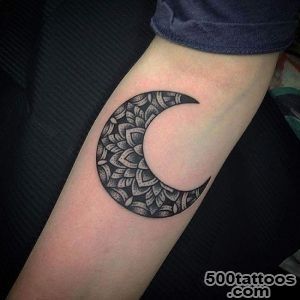
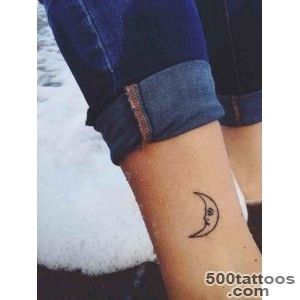
The crescent shape tucks naturally behind the ear, on the wrist, or at the ankle. A full moon works as a centerpiece on the upper arm, chest, or back. Phase sequences need a linear surface, making the forearm, spine, or collarbone ideal. The back of the neck is another strong option for a small, centered moon that feels private and intentional.
Longevity and Care
Lunar designs often rely on subtle gray gradients that can fade if exposed to frequent sunlight. Protect the piece during healing and apply sunscreen consistently afterward. Black outlines and solid fills hold the longest, while soft watercolor washes may need refreshing after several years to maintain their atmospheric quality.
Moon tattoo designs and images