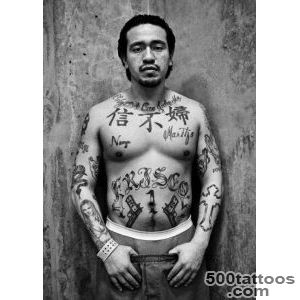
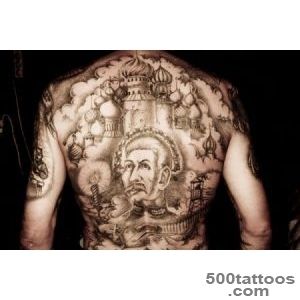
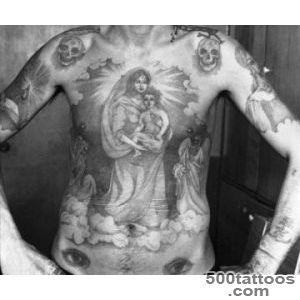
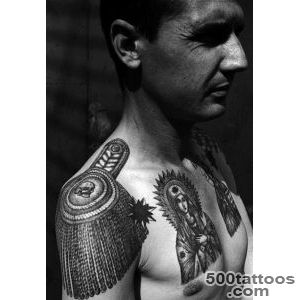
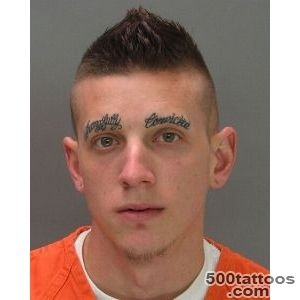
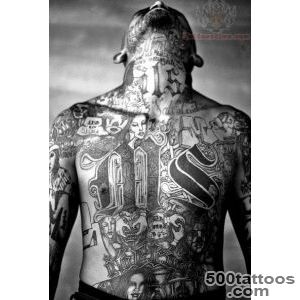
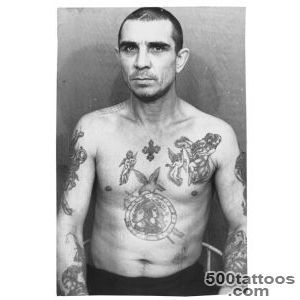
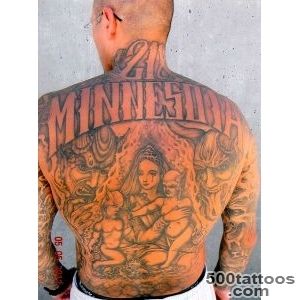
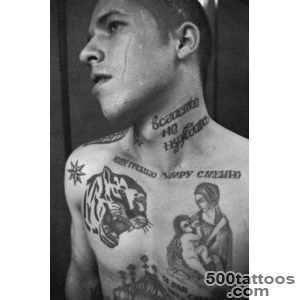
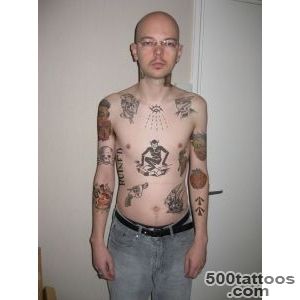
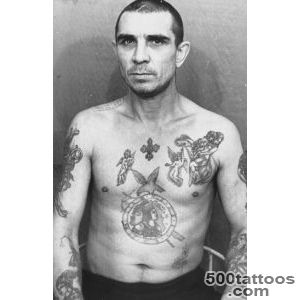
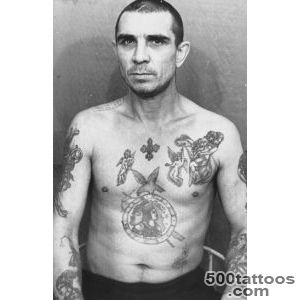
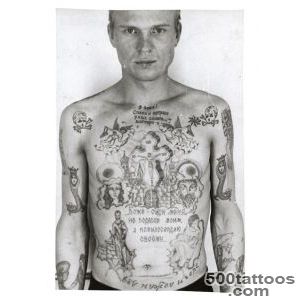
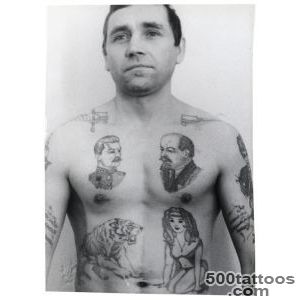
Prison tattoos

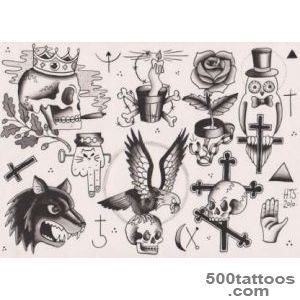
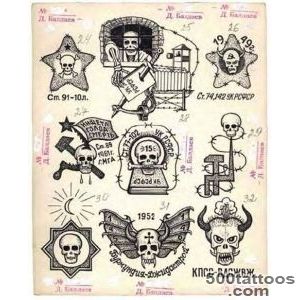
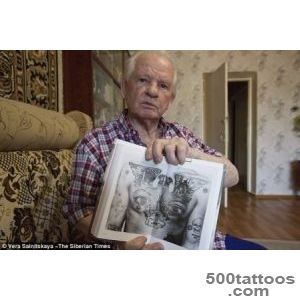
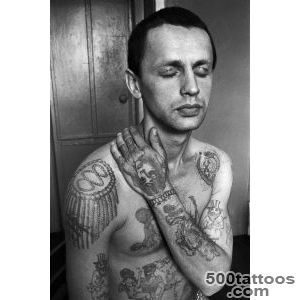
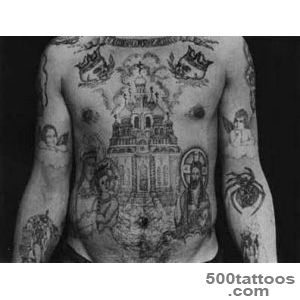
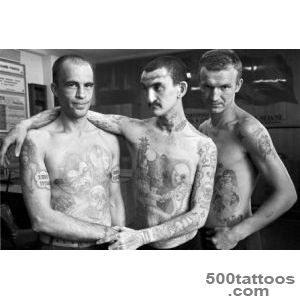
Prison tattoos carry intense personal history and coded symbolism. Common motifs include barbed wire, dates, clocks, and simple iconography. This guide covers style, placement, and practical design choices for barbed wire.
Meaning and symbolism
Prison tattoos can reflect personal values, memory, or identity depending on the chosen symbol. Research symbols carefully because some carry sensitive or harmful meanings.
Key motifs and composition
Common motifs include barbed wire, dates, clocks, and simple iconography, which helps the theme stay readable at different sizes. Use framing shapes or symmetry around barbed wire to keep the layout clean and intentional. Leave a clear focal point so barbed wire does not get lost in the background.
Style directions
Single needle or sketch styles reflect the raw and minimal origin. Match the style to the message, keeping barbed wire crisp and readable. Consistent line weight helps barbed wire age well and stay readable.
Placement and size
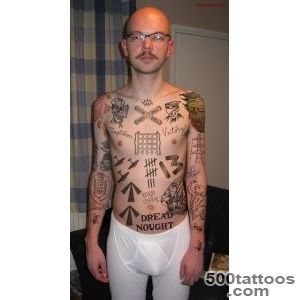
Forearm and hand placements are common but consider long term visibility. Simplify fine parts of barbed wire for small placements and expand elements for larger panels.
Color and contrast
Black ink keeps the design direct and historically accurate. Keep contrast high enough so barbed wire stays clear as it heals.
Keep barbed wire slightly lighter than the main outline to preserve contrast. Use barbed wire as a secondary element so the focal point stays clear.
Scale barbed wire so the meaning reads at a glance. Let barbed wire follow the body line to improve flow.
Limit background texture around barbed wire to avoid crowding. Frame barbed wire with clean negative space so the design stays readable.
Anchor the layout with barbed wire and keep supporting shapes minimal. Repeat barbed wire sparingly to avoid visual noise.
Use barbed wire to guide the eye across the composition. Keep the edges around barbed wire crisp so the silhouette holds over time.
Prison tattoos designs and images