Scroll tattoo

Scroll tattoos draw from centuries of decorative lettering and heraldic banner design. The unfurling parchment creates a natural frame for names, quotes, dates, and mottos, making it one of the most personalized tattoo formats. Style options range from ornate Renaissance calligraphy to stripped-down sailor-flash ribbons.
Banner scrolls and ribbon traditions
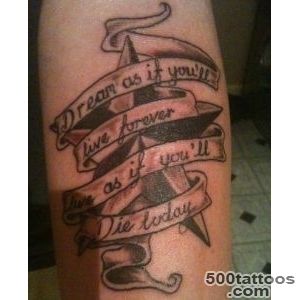
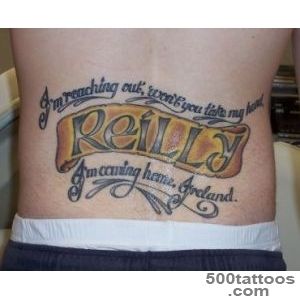
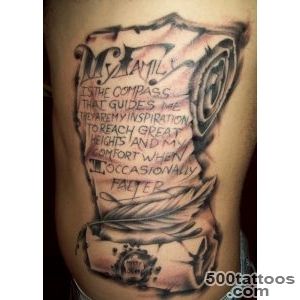
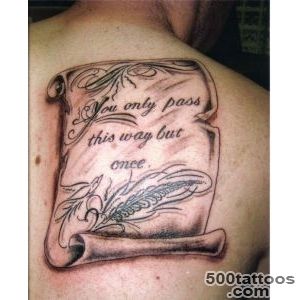
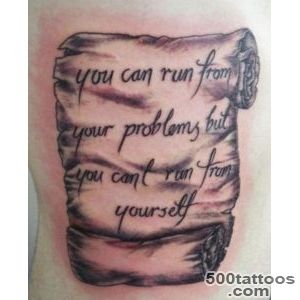
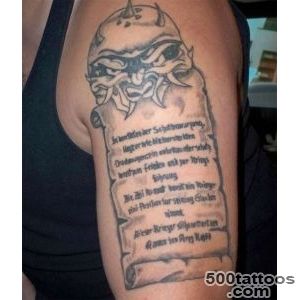
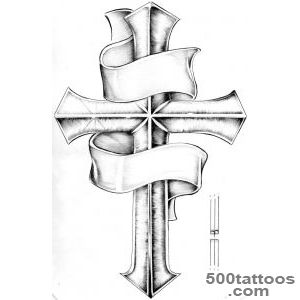
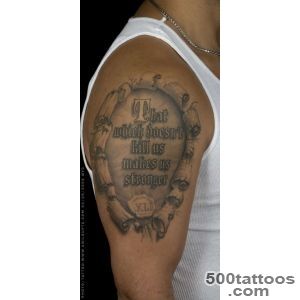
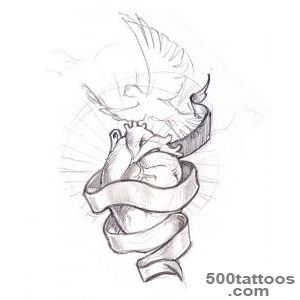
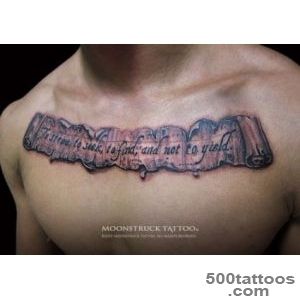
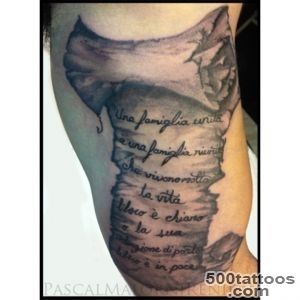
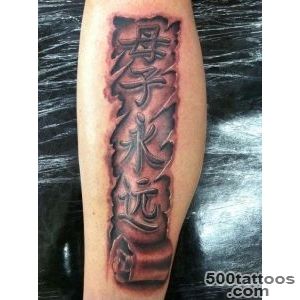
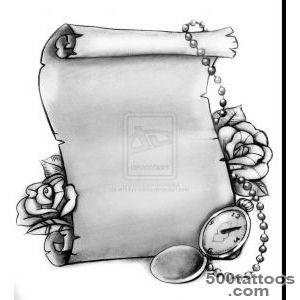
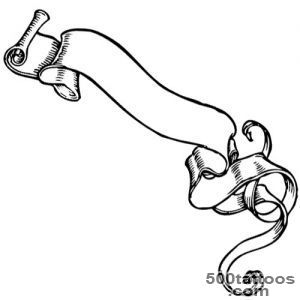
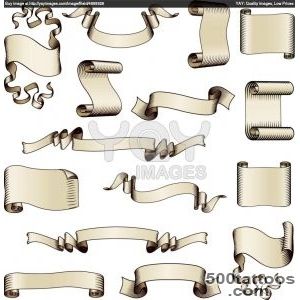
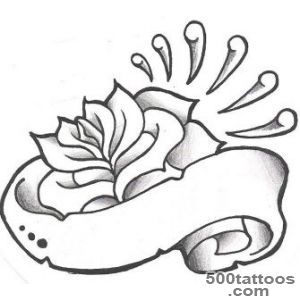
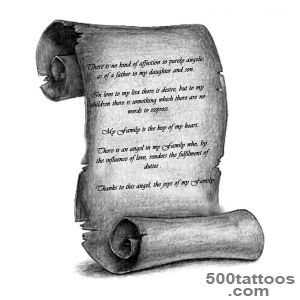
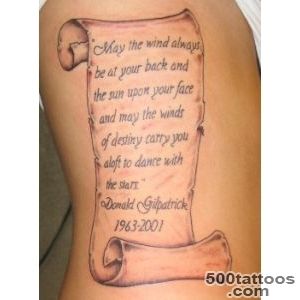
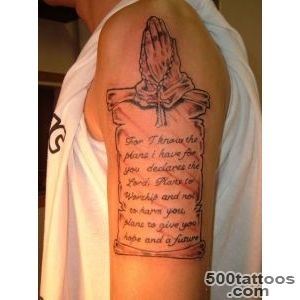
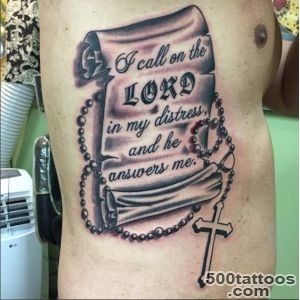
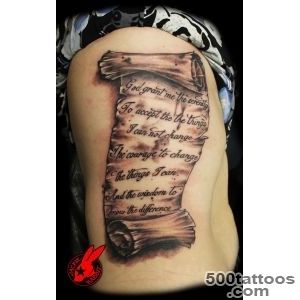
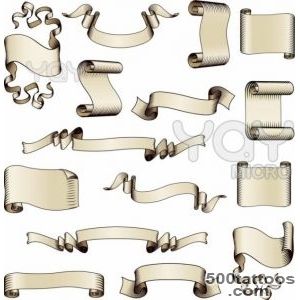
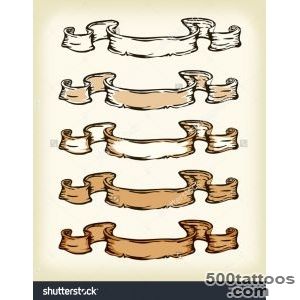
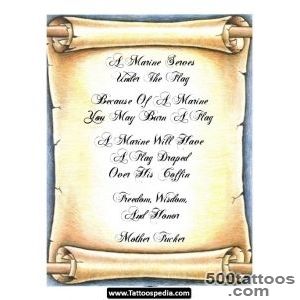
The classic tattoo scroll is a curved ribbon with rolled ends, popularized by Sailor Jerry and the American traditional movement. These banners wrap around anchors, hearts, and skulls to carry a name or motto. Wider parchment-style scrolls flatten out and display longer text, sometimes with torn edges and ink-stain effects that mimic aged paper.
Quote and memorial lettering on scrolls
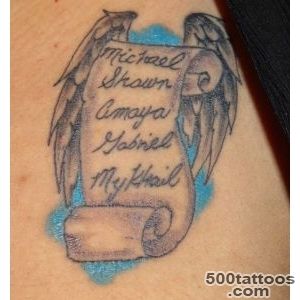
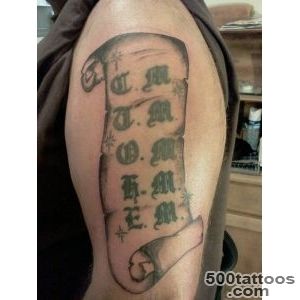
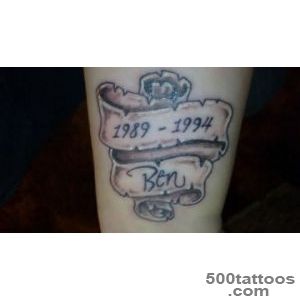
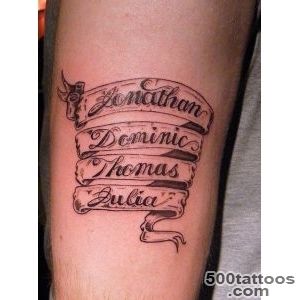
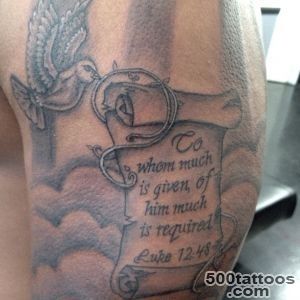
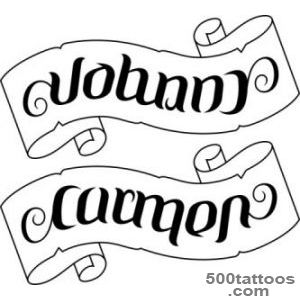
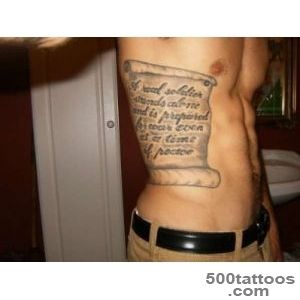
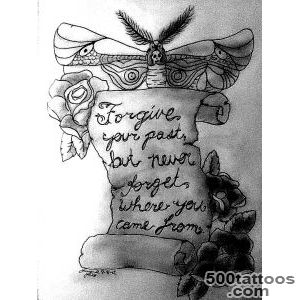
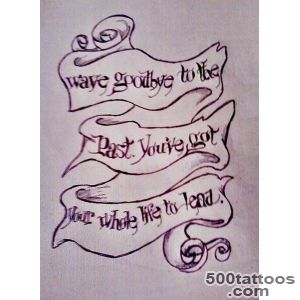
Scrolls provide a structured surface for typography. Gothic blackletter suits dark or historical themes. Script cursive adds elegance to names and love declarations. Roman capitals project strength for Latin mottos. Memorial scrolls carrying a loved one's name and dates become permanent tributes when paired with roses, crosses, or portrait elements.
Ornamental scrollwork and filigree details
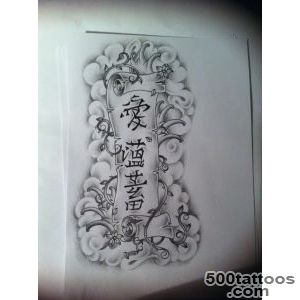
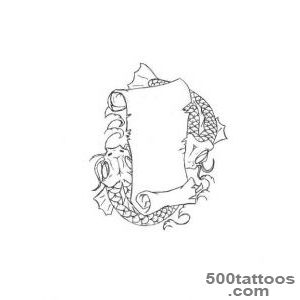
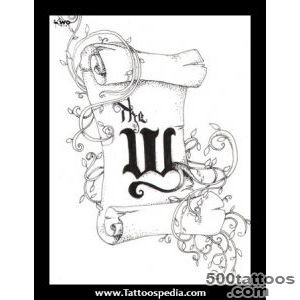
Renaissance and Baroque scrollwork uses acanthus leaves, volutes, and flourished curves as purely decorative frames. These ornamental scrolls wrap around central images without carrying text, adding visual complexity and a classical art reference. Filigree shading with fine crosshatching gives the scroll depth and a hand-engraved appearance.
Composition and pairing elements
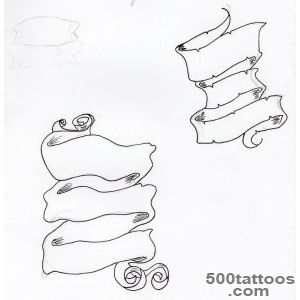
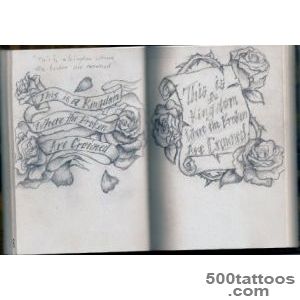
Scrolls work as supporting elements in larger compositions. A banner beneath a chest eagle anchors the design with a personal message. Scrolls wrapping a forearm compass add narrative context. Stacking multiple scrolls vertically creates a layered text piece that lists dates, names, or milestones in chronological order.
Sizing and placement for scroll tattoos
Horizontal scrolls fit the chest, upper back, or across the collarbone. Vertical banners suit the forearm, outer calf, or alongside the spine. Compact scrolls wrapping a single word work on the wrist or inner bicep. Larger parchment compositions with detailed filigree need the thigh or full back panel for adequate space.
Scroll tattoo designs and images