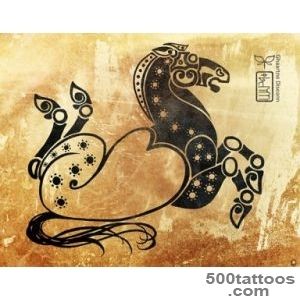
Scythian tattoos

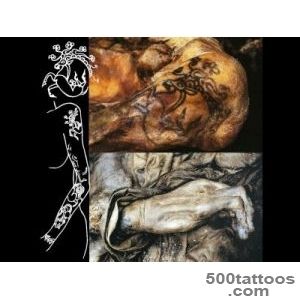
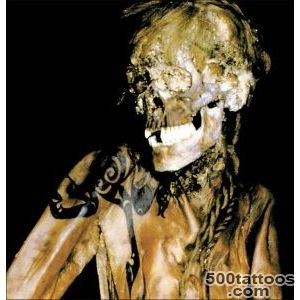
Scythian tattoos trace back to the frozen tombs of Pazyryk, where 2,500-year-old mummified warriors bore some of the oldest preserved tattoos in history. Their animal-style art-a swirl of deer, griffins, and predators locked in combat-offers a raw, ancient aesthetic unlike any modern tradition.
Pazyryk mummies and archaeological evidence
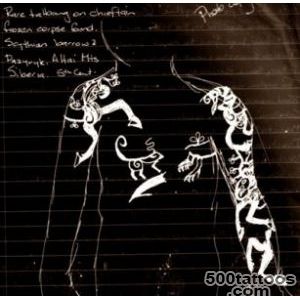
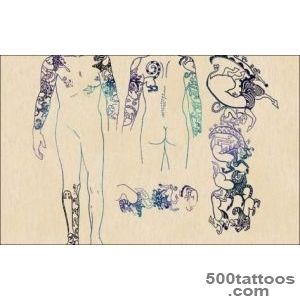
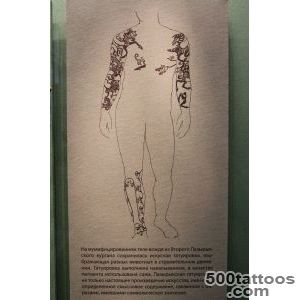
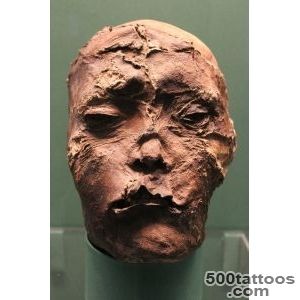
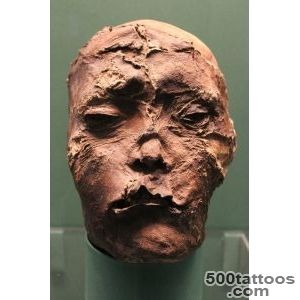
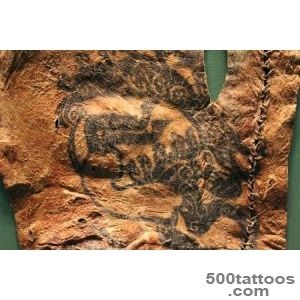
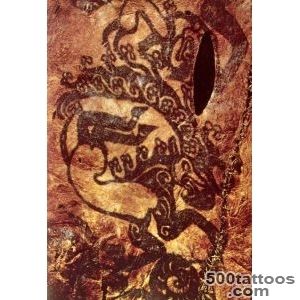
The Pazyryk burials in Siberia's Altai Mountains revealed tattooed skin preserved by permafrost. The chieftain's body showed elaborate animal compositions covering his arms, shoulders, and legs. These are not decorative doodles but ritual marks of status, spiritual power, and tribal identity. Replicating them connects the wearer to one of humanity's earliest tattoo cultures.
Animal-style art: deer, griffins, and predators
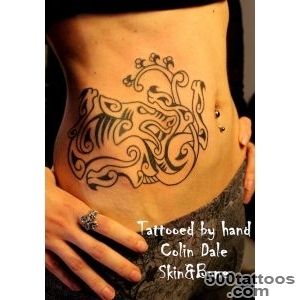
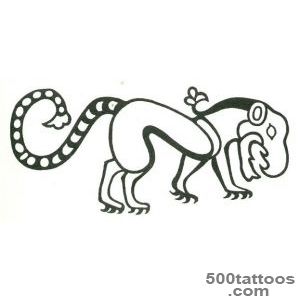
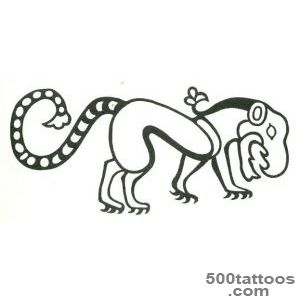
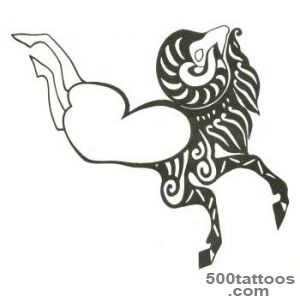
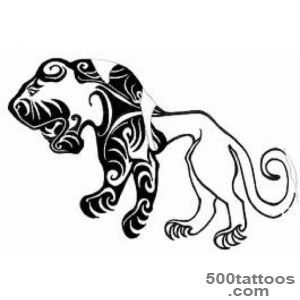
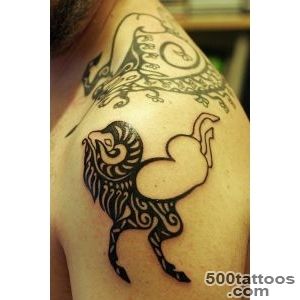
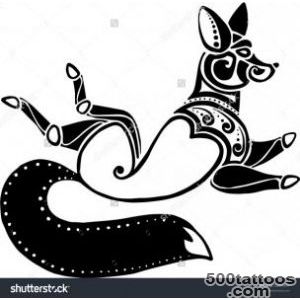
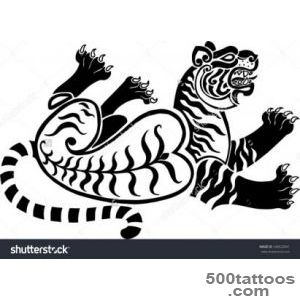
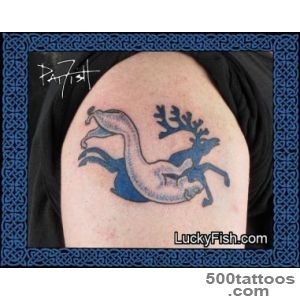
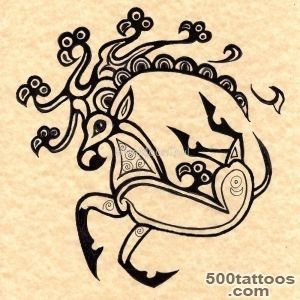
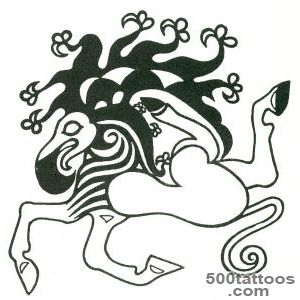
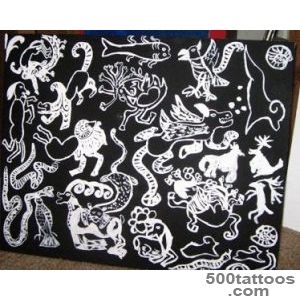
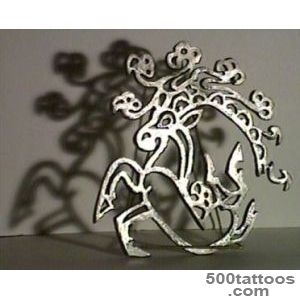
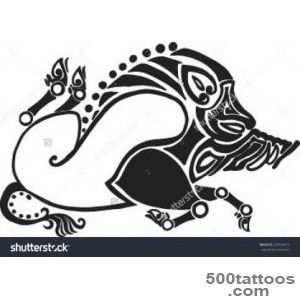
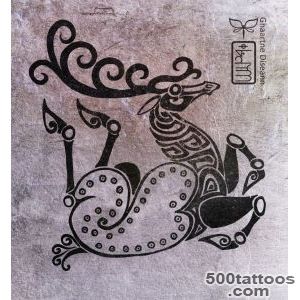
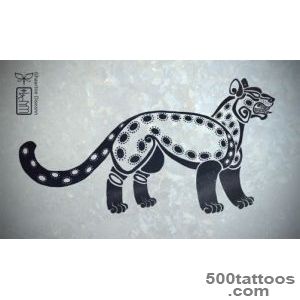
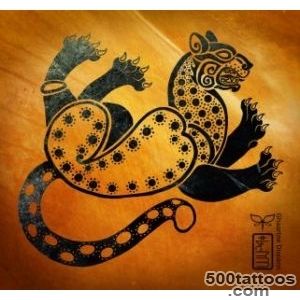
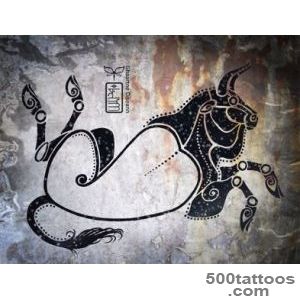
Scythian animal style distorts natural forms into flowing, interlocking shapes. Deer with exaggerated antlers curl into spirals. Griffins-part eagle, part lion-attack prey in frozen mid-strike. Felines twist into impossible contortions with tails looping into secondary faces. This visual language of transformation and predation translates powerfully into tattoo art.
Modern interpretations and artistic approaches
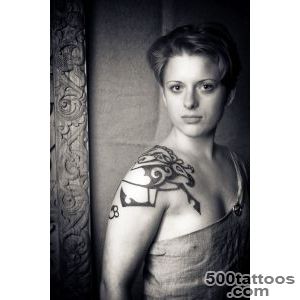
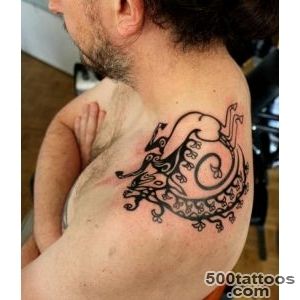
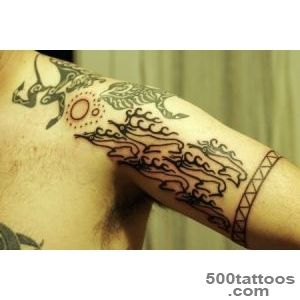
Contemporary artists adapt Scythian motifs using blackwork, dotwork, and neo-tribal techniques. Some maintain the flat, decorative look of the originals, while others add three-dimensional shading to make the animals leap off the skin. Combining Scythian beasts with Slavic or Norse elements builds a broader Eurasian steppe aesthetic.
Cultural context and authentic sourcing
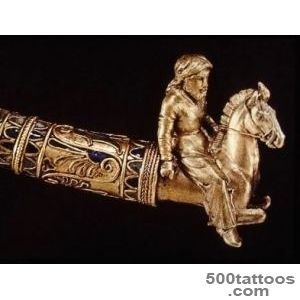
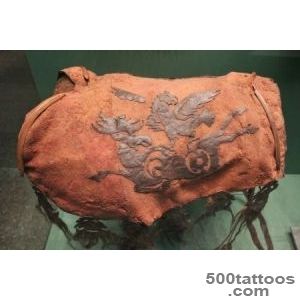
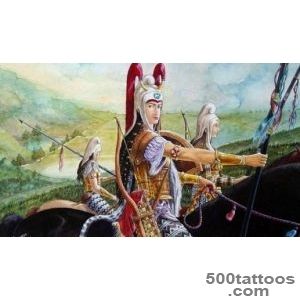
The Scythians were nomadic warriors who dominated the Eurasian steppe from the 7th to 3rd century BCE. Their art influenced Persian, Greek, and Chinese visual culture. Tattoo designs sourced directly from Pazyryk artifacts carry historical accuracy, while original compositions inspired by the style allow more creative freedom.
Placement that honors the originals
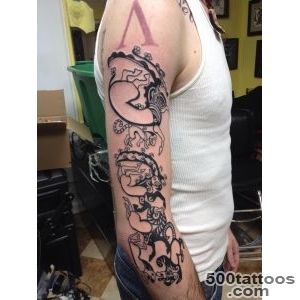
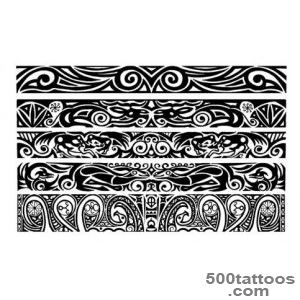
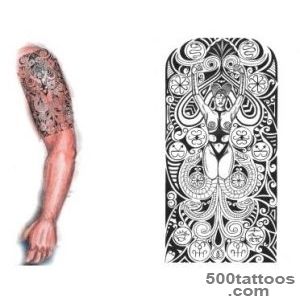
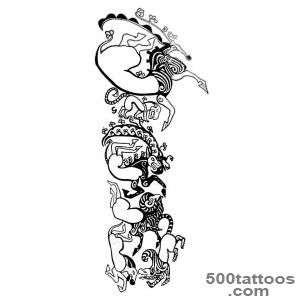
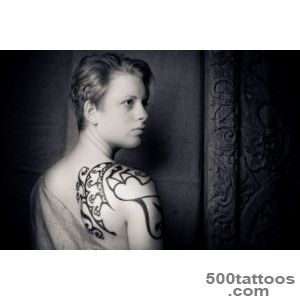
The Pazyryk tattoos covered the shoulders, arms, and lower legs. Recreating this placement adds authenticity. Full-sleeve compositions allow the interlocking animal panels to flow naturally around muscle groups. Forearm bands of repeating deer or griffin motifs echo the rhythmic patterns found on Scythian gold jewelry and felt carpets.
Scythian tattoos designs and images