Side tattoo

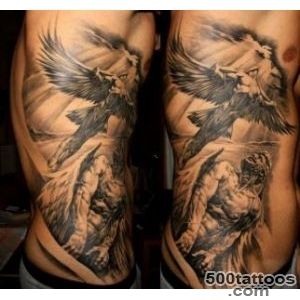
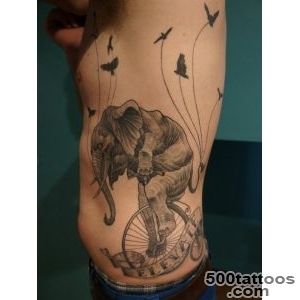
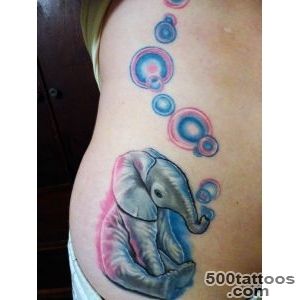
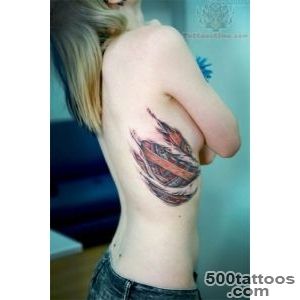
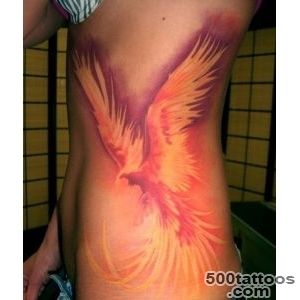
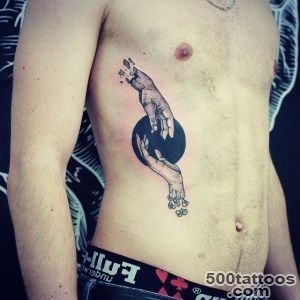
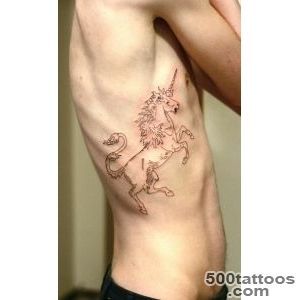
Side tattoos use the ribcage and torso flank as a dramatic vertical canvas. The area offers a long, curved surface ideal for flowing scripts, botanical compositions, and figure designs that stretch from armpit to hip. The trade-off is higher pain and longer healing due to the rib bones and constant body movement.
Why the ribcage makes a unique canvas
The ribcage curves inward and outward with each breath, giving the tattoo a subtle sense of movement even when the wearer stands still. The vertical space accommodates tall designs that would feel cramped on a forearm. The area is largely hidden by clothing, creating a private piece that the wearer chooses when to reveal.
Script, quotes, and vertical lettering
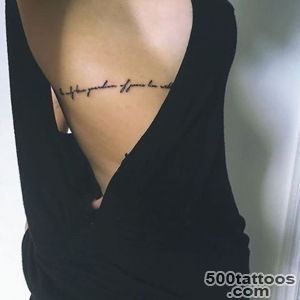
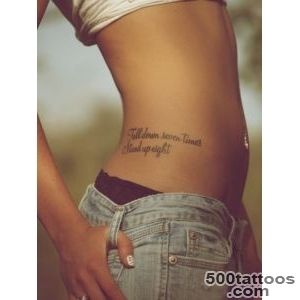
Long quotes, song lyrics, or meaningful passages fit naturally along the ribcage in a single vertical column. Flowing script fonts follow the body's curve. Stacked horizontal text blocks create a different rhythm. Typography placement requires careful consideration of how letters distort when the torso bends or twists-testing with temporary markers before the session helps.
Florals, feathers, and organic compositions
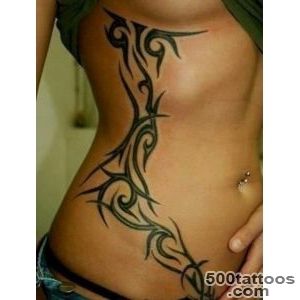
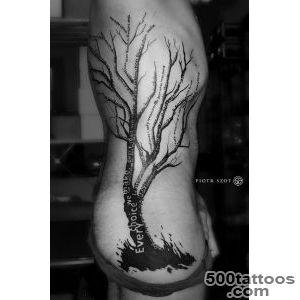
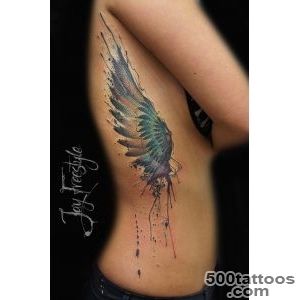
Botanical designs-rose vines, cherry blossom branches, lavender sprigs-use the ribcage's length for natural upward growth. Feathers floating from shoulder to waist create graceful movement. Mandala and ornamental bands wrap the torso as decorative panels. Each organic element benefits from the subtle curve that rigid flat-canvas placements cannot provide.
Pain management and aftercare
The ribs rank among the most painful tattoo locations due to thin skin over bone and proximity to nerve clusters. Sessions are typically shorter (two to three hours) to manage discomfort. Healing requires loose clothing, sleeping on the opposite side, and careful moisturizing. Expect swelling for the first few days, especially along the lower ribs.
Side tattoo designs and images