Skull tattoo
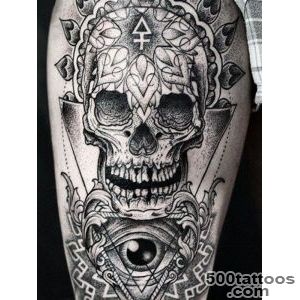
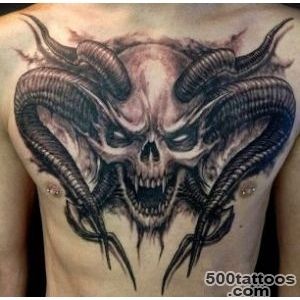
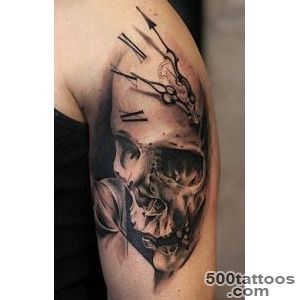
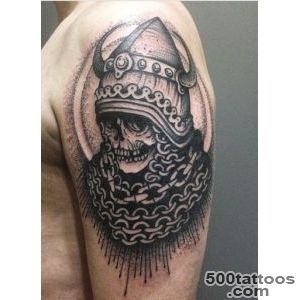
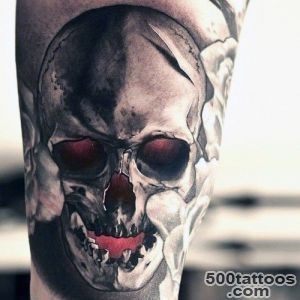
Skull tattoos are one of the oldest and most universal motifs in body art. The human skull transcends cultures-appearing in biker patches, sugar skull celebrations, pirate flags, and vanitas paintings. Its meaning shifts from dark rebellion to colorful celebration depending on style and context.
Memento mori and the philosophy of mortality
The Latin phrase memento mori-remember that you will die-sits at the heart of skull tattoo symbolism. In European art tradition, skulls in still-life paintings reminded viewers of life's impermanence. A skull tattoo carries the same message: live fully because time is limited. This philosophical weight attracts people who have faced loss or survived close calls.
Sugar skulls and Day of the Dead tradition
Mexican Día de los Muertos transforms the skull from a symbol of death into one of celebration. Sugar skull tattoos feature ornate floral patterns, vibrant colors, and marigold borders that honor deceased loved ones with joy rather than grief. Cross-shaped eye sockets, heart-shaped noses, and web detailing give each sugar skull a festive, folk-art personality.
Anatomical, geometric, and stylized approaches
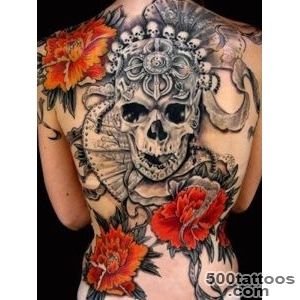
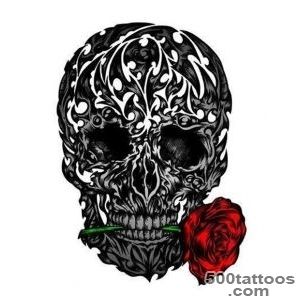
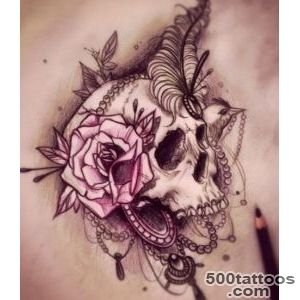
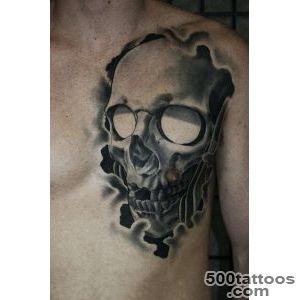
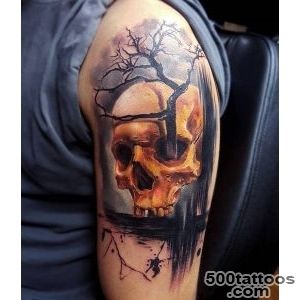
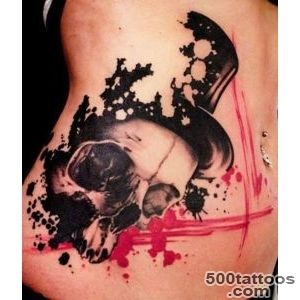
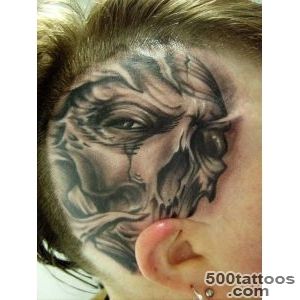
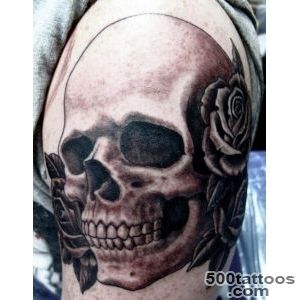
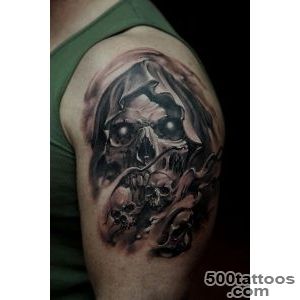
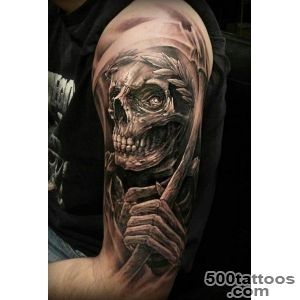
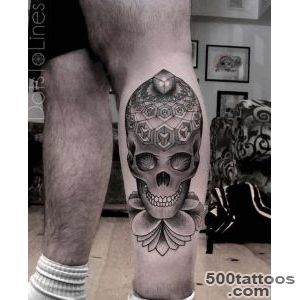
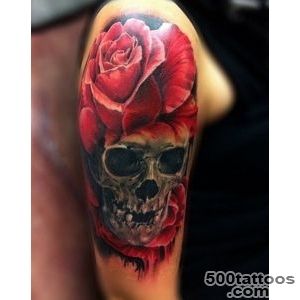
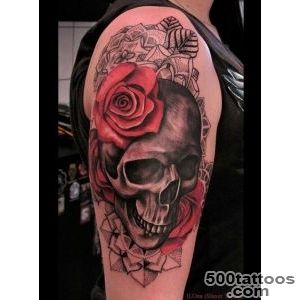
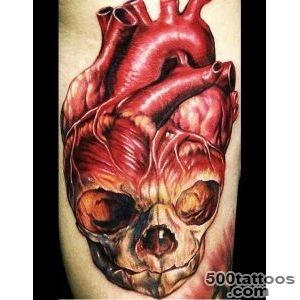
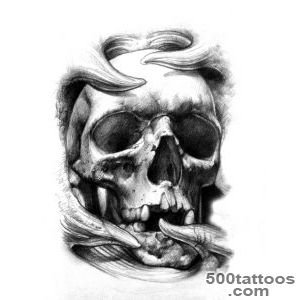
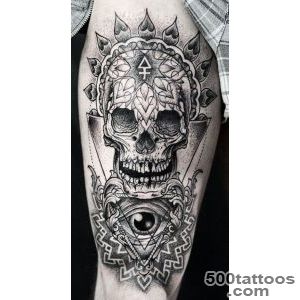
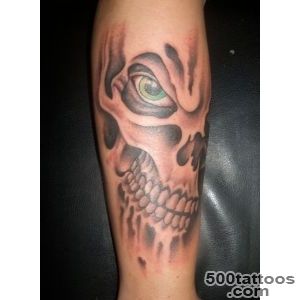
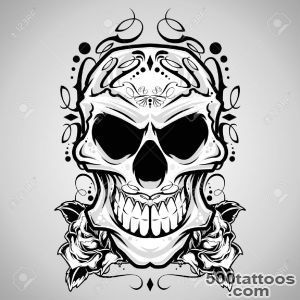
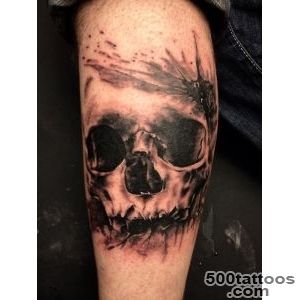
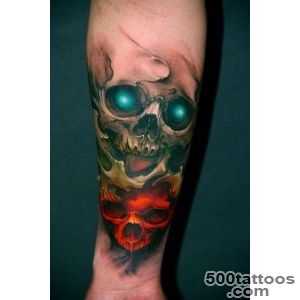
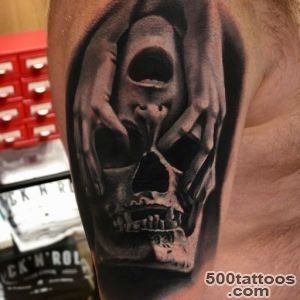
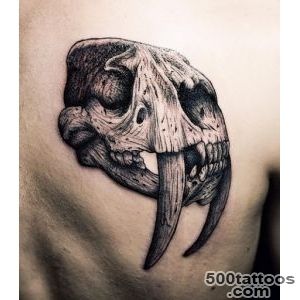
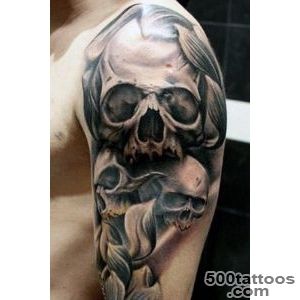
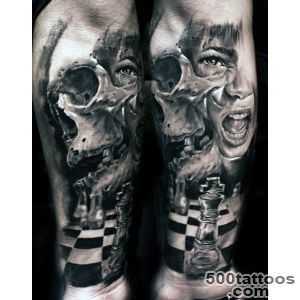
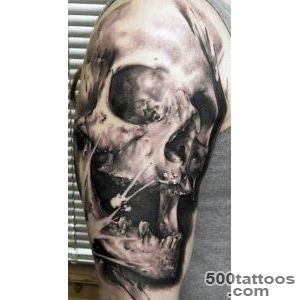
Anatomical skulls show accurate bone structure-sutures, nasal cavities, and tooth rows-for a clinical, realistic effect. Geometric skulls fragment the form into polygons, triangles, or honeycomb cells. Tribal skulls use thick black lines and negative space. Adding elements like roses growing through eye sockets, crowns, or butterflies emerging from the cranium layers meaning onto the base image.
Placement and pairing for skull tattoos
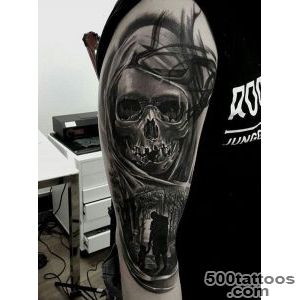
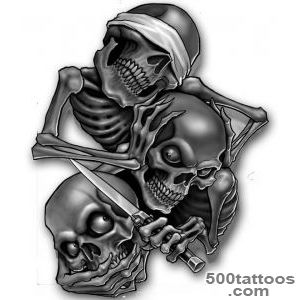
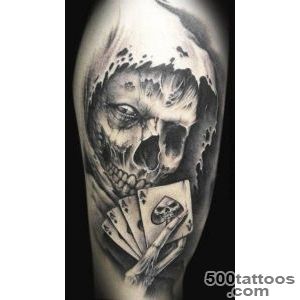
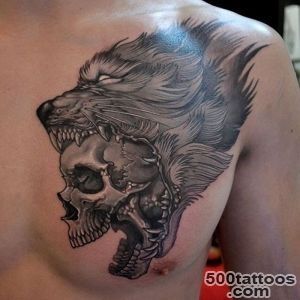
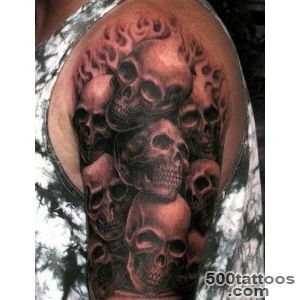
The forearm, upper arm, and chest are popular locations for medium to large skull designs. Hand tattoos place the skull front and center in every interaction. Skulls pair naturally with crossbones, serpents, daggers, and hourglasses to build richer narrative compositions. A skull worked into a sleeve acts as a focal point that anchors surrounding elements.
Skull tattoo designs and images