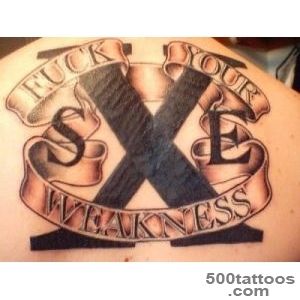
Sxe tattoos

Straight Edge (SXE) tattoos mark a commitment to living free from alcohol, drugs, and tobacco. Born in the early 1980s Washington D.C. hardcore punk scene, Straight Edge grew from a song by Minor Threat into a global movement with its own visual identity, ethics, and community rituals-including permanent ink.
Origins in hardcore punk and Minor Threat
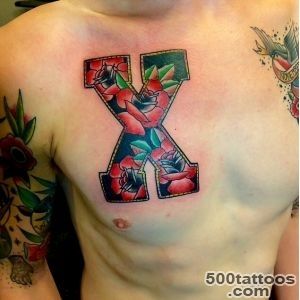
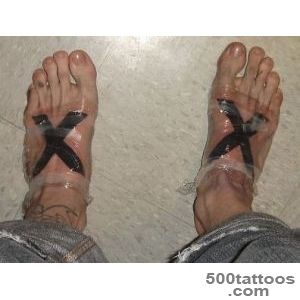
Ian MacKaye of Minor Threat coined the term "straight edge" in 1981 with a song rejecting the self-destructive habits common in punk culture. Fans drew X marks on their hands-originally a club marking for underage concertgoers who could not buy alcohol-and turned it into a badge of intentional sobriety. The X became the movement's central symbol.
The X mark and its visual variations
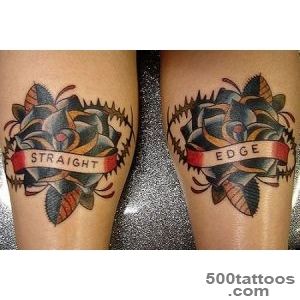
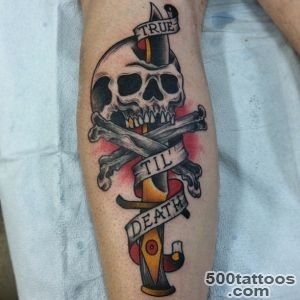
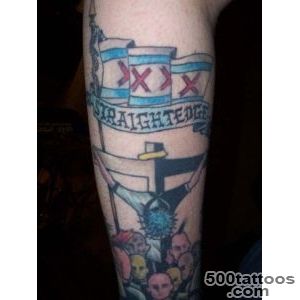
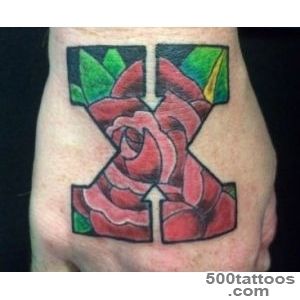
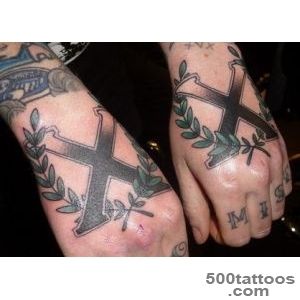
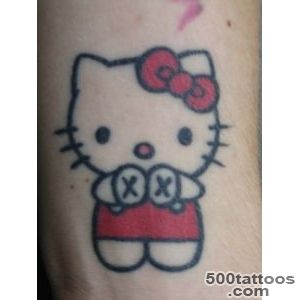
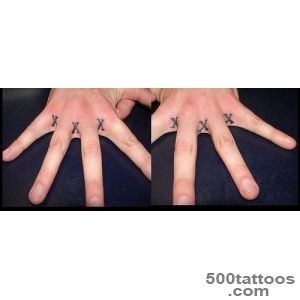
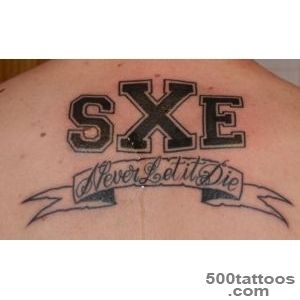
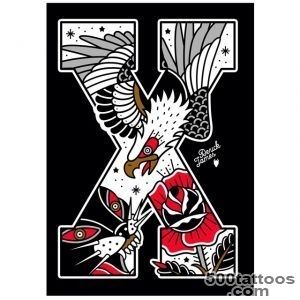
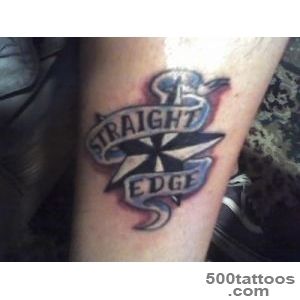
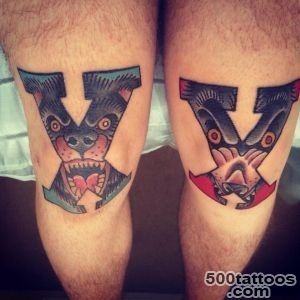
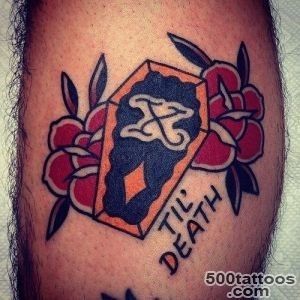
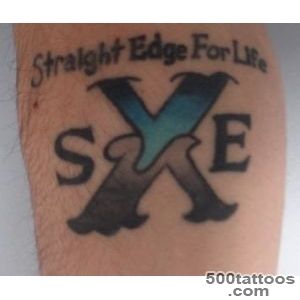
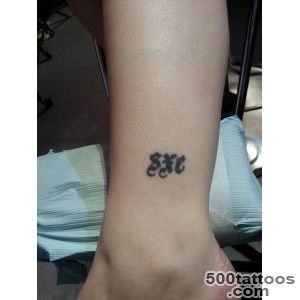
A bold black X on the back of the hand is the most iconic SXE tattoo. Triple-X (XXX) reinforces the commitment across all three substances. Some designs incorporate the X into larger compositions with broken bottles, shattered syringes, or clean-break imagery. Others use typography-forward approaches, spelling out "STRAIGHT EDGE" or "TRUE TILL DEATH" in bold block letters.
Band logos, lyrics, and scene references
Minor Threat's sheep logo, Earth Crisis's firestorm imagery, and Judge's New York Crew lettering all appear in SXE tattoo culture. Lyric fragments become mantras-"out of step with the world" or "it's in my eyes." These references signal not just sobriety but membership in a specific musical and ethical community.
Placement and bold graphic approaches
Hand tattoos with X marks are the most confrontational placement-visible in every interaction. Forearm pieces with block lettering or X graphics project the message clearly. Chest and back placements allow larger compositions that combine multiple SXE symbols. The movement's graphic, high-contrast aesthetic suits blackwork, bold traditional, and punk-poster illustration styles.
Sxe tattoos designs and images