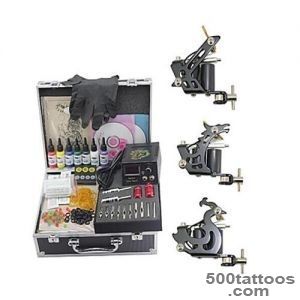
Equipment tattoo

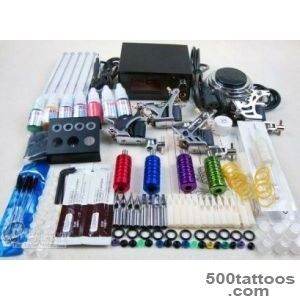
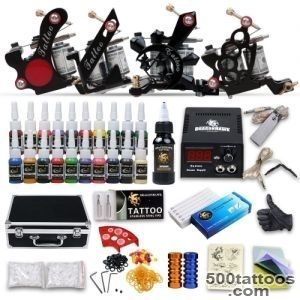
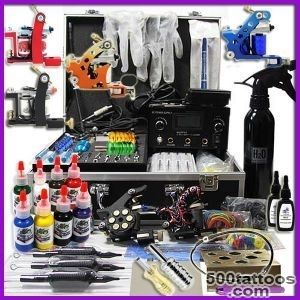
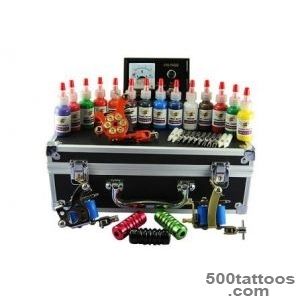
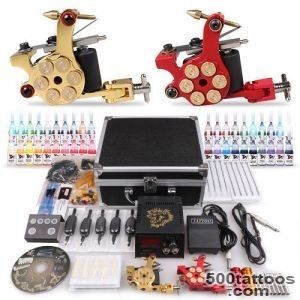
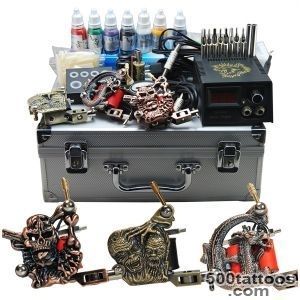
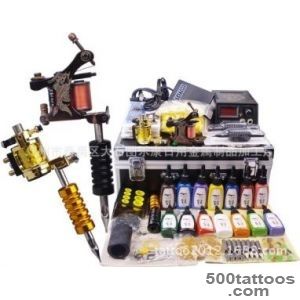
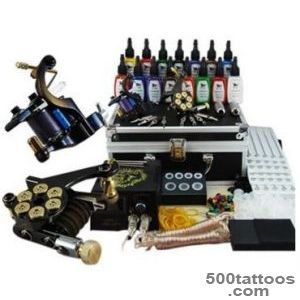
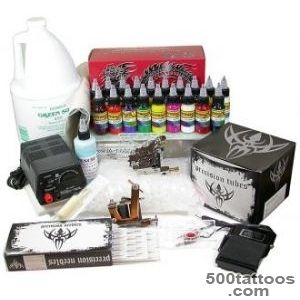
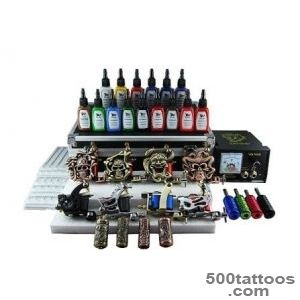
Tattoo equipment includes the machines, needles, inks, and supplies that artists use to create permanent body art. Understanding the basics helps clients appreciate the craft and make informed decisions about where to get tattooed.
Tattoo machines: coil vs. rotary
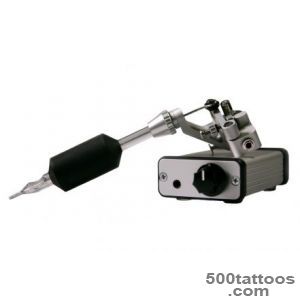
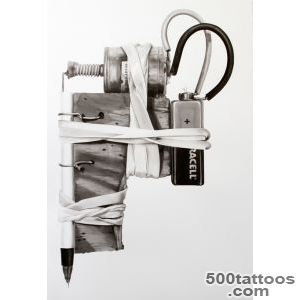
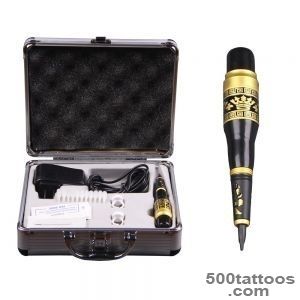
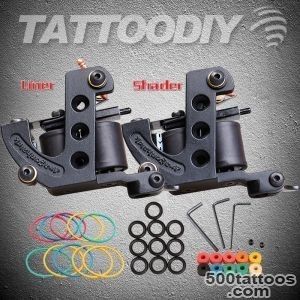
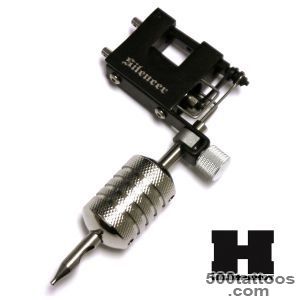
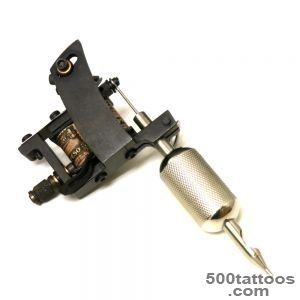
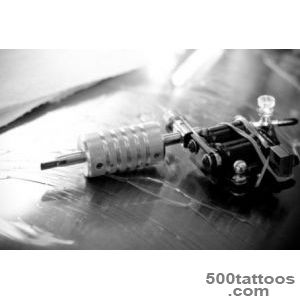
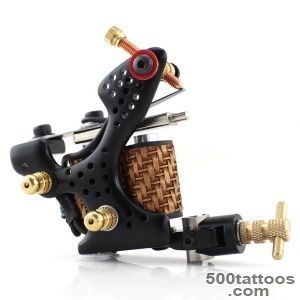
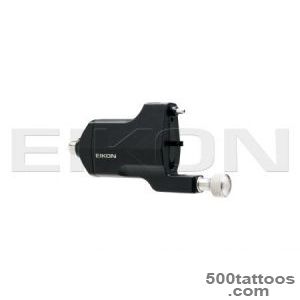
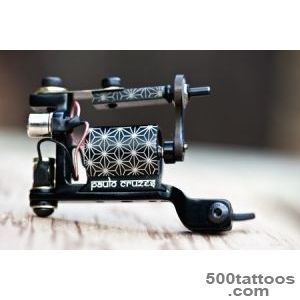
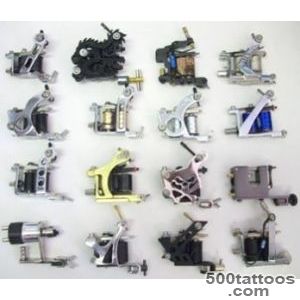
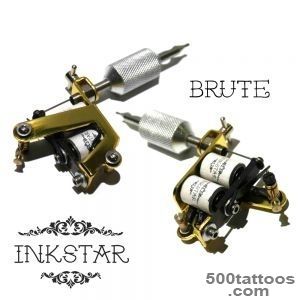
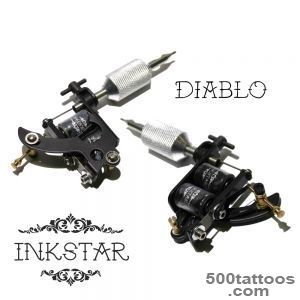
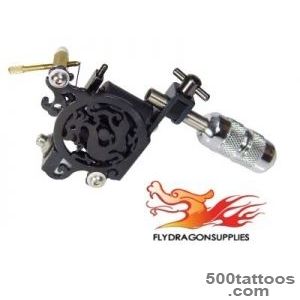
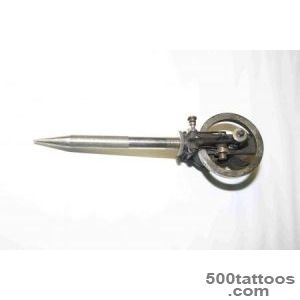
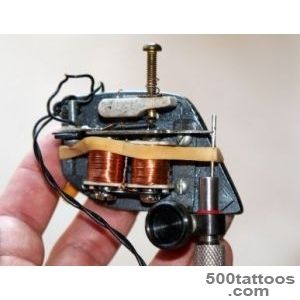
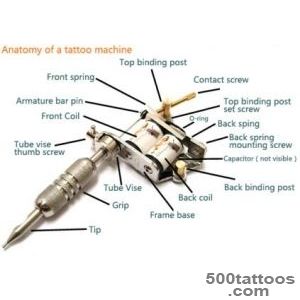
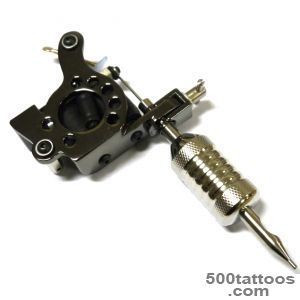
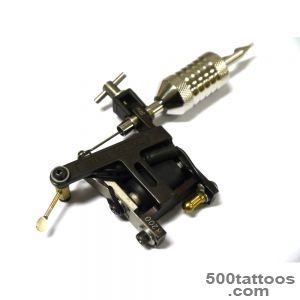
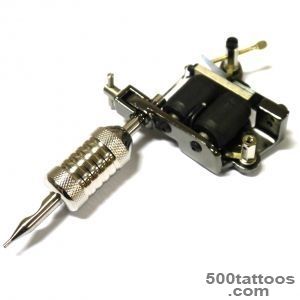
Coil machines use electromagnetic coils to move the needle bar-they're traditional, customizable, and preferred by many experienced artists. Rotary machines use a motor for smoother, quieter operation and are popular for lining and shading alike. Pen-style rotary machines have become common for their ergonomic design and precision. If you're planning your first tattoo, knowing the basics can help you ask better questions.
Needles and configurations
Tattoo needles come in different groupings: round liners (RL) for outlines, round shaders (RS) for shading, magnums (M1, M2) for filling large areas, and flat needles for specific techniques. Needle count and taper affect line thickness and ink flow. All needles should be single-use and sterile.
Inks and pigments
Professional tattoo inks are formulated for safety and color stability. Black ink is the most stable; colors vary in longevity depending on pigment type. Reputable brands test for contaminants and provide ingredient transparency. Vegan and organic ink options exist for clients with specific preferences.
Power supplies and accessories
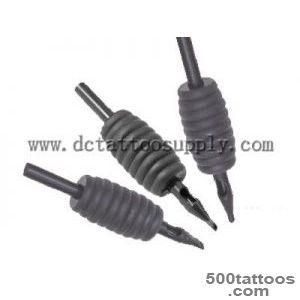
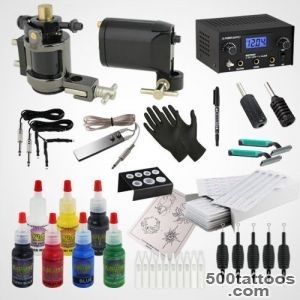
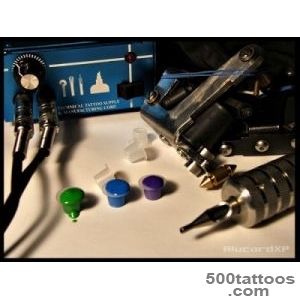
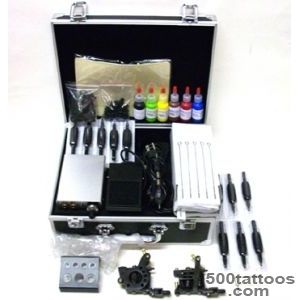
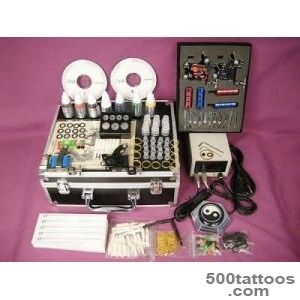
Power supplies regulate voltage to the machine, affecting needle speed and depth. Foot pedals or wireless switches control activation. Clip cords or RCA cables connect machine to power. Grips and tubes hold needles and provide artist control.
Hygiene and safety equipment
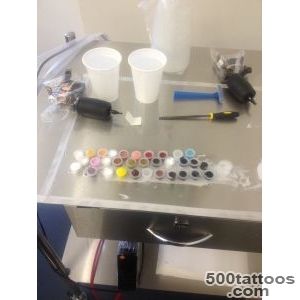
Barrier protection (machine bags, clip cord covers) prevents cross-contamination. Disposable gloves, surface disinfectants, and single-use ink caps are standard. Autoclaves sterilize reusable equipment. A clean, organized setup is the mark of a professional artist-always check that your chosen studio follows strict hygiene protocols.
Equipment tattoo designs and images