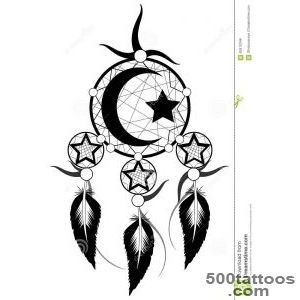
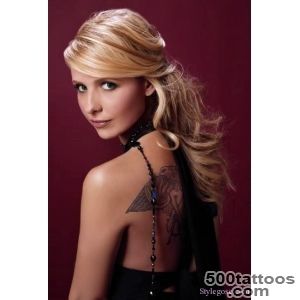
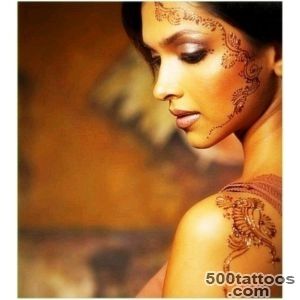
Islam tattoo
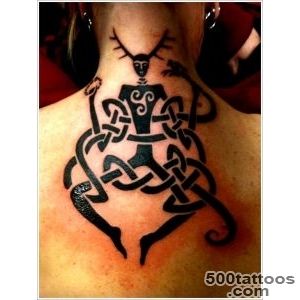
Tattoos with Islamic themes most often feature Arabic calligraphy, geometric patterns, and symbols drawn from Middle Eastern art and architecture. The relationship between tattoos and Islam is complex since traditional Islamic teaching generally discourages permanent body modification, but interest in Arabic-script tattoos and Islamic geometric art continues to grow worldwide.
Arabic calligraphy and script
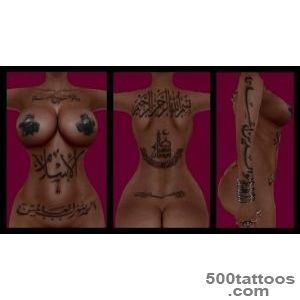
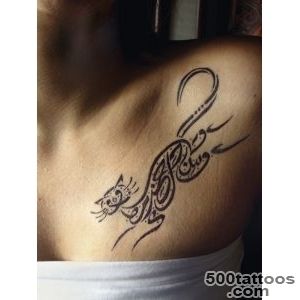
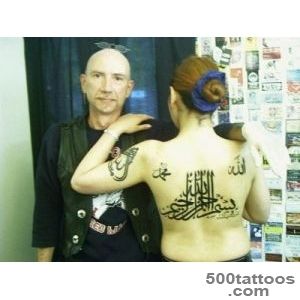
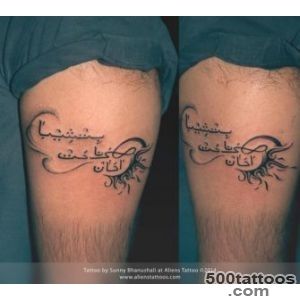
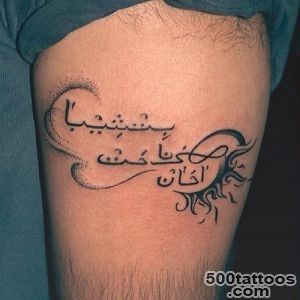
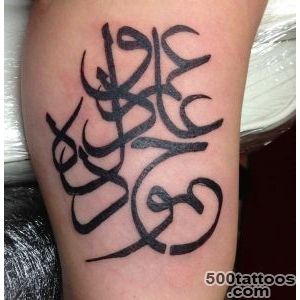
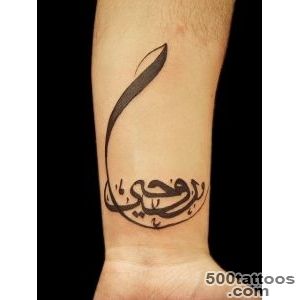
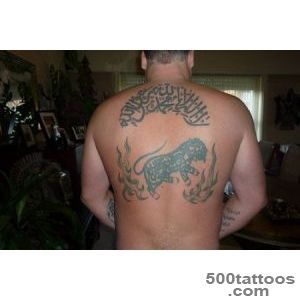
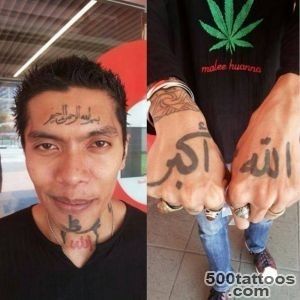
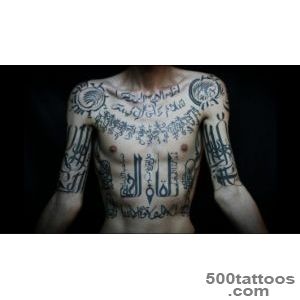
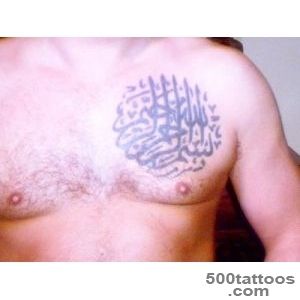
Arabic script is one of the most visually striking writing systems in the world, and it is the most popular element in Islamic-themed tattoos. People choose meaningful phrases from poetry by Rumi or Hafez, personal declarations, or single powerful words like "strength" or "patience." The flowing, connected nature of Arabic lettering creates elegant compositions that suit both horizontal and vertical layouts on the body.
Getting the script right
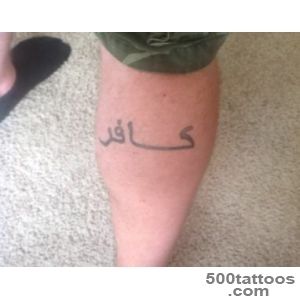
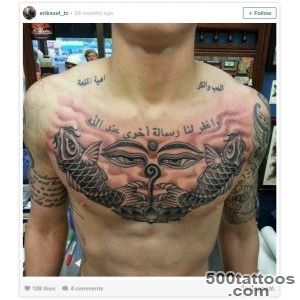
Accuracy is critical with Arabic tattoos. The script reads right to left, and letter forms change depending on their position in a word. A mistranslated or poorly written Arabic tattoo is a lasting mistake. Always have your text verified by a native Arabic speaker, and choose an artist who has experience rendering calligraphic scripts. Bring a printed reference from a trusted calligrapher rather than relying on online translators.
Geometric and architectural patterns
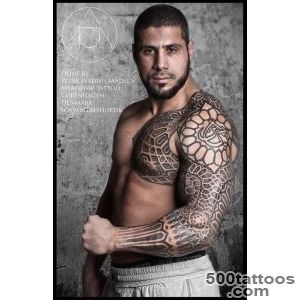
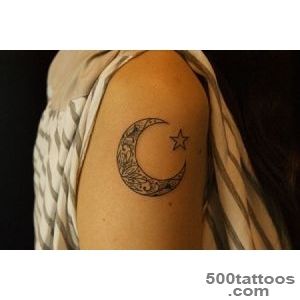
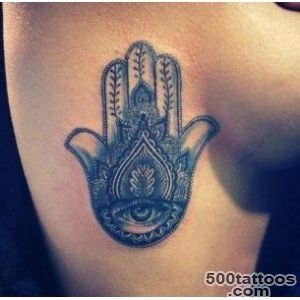
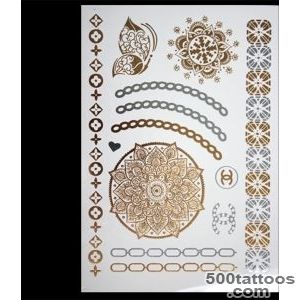
Islamic art is known for its intricate geometric patterns: tessellations, star patterns, and interlocking shapes that symbolize the infinite nature of creation. These patterns originate from mosques, palaces, and manuscripts, and they translate beautifully into tattoo form using dotwork, blackwork, or fine-line techniques. A geometric panel on the forearm or a tile-inspired pattern on the shoulder can carry the aesthetic with striking visual impact.
Cultural context and respect
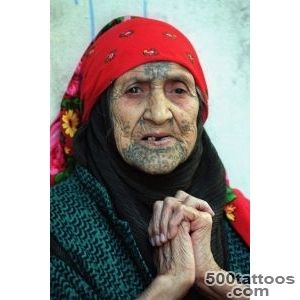
If you are considering an Islamic-themed tattoo, understand the cultural weight it carries. For many Muslims, tattoos are considered haram (forbidden), though interpretations vary across communities and regions. Choosing a design with genuine personal meaning, researching the source text carefully, and avoiding sacred verses used casually shows respect for the tradition behind the art.
Placement and style
Arabic script works well on the forearm, ribs, collarbone, or along the spine where the text can flow naturally. Geometric patterns suit wrapping placements like the upper arm or thigh. Black ink is the most common choice for calligraphy because it keeps the letterforms clean and timeless. Fine-line work preserves the elegance of Arabic writing at smaller sizes.
Islam tattoo designs and images