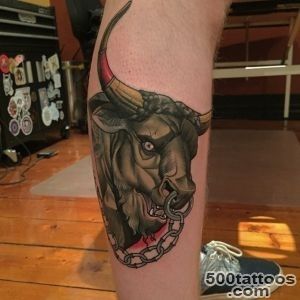
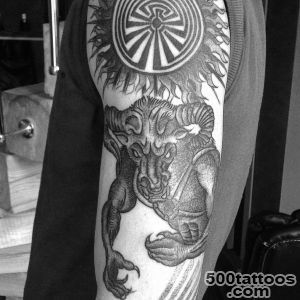
Minotaur tattoo
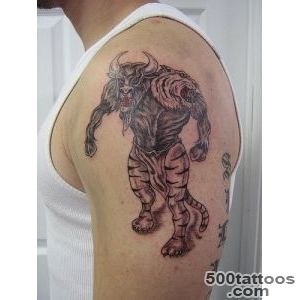
The Minotaur, half man and half bull, is one of the most compelling monsters in Greek mythology. Trapped in the labyrinth beneath Crete, it embodies the tension between human reason and animal instinct, making it a powerful subject for body art that explores inner conflict, hidden desire, and the struggle for self-mastery.
Myth and Psychological Meaning
According to the myth, King Minos imprisoned the Minotaur in a maze designed by Daedalus, feeding it Athenian captives until the hero Theseus finally killed the beast. Psychologically, the creature represents urges and emotions locked away in the unconscious, too dangerous to confront openly but impossible to ignore forever. The labyrinth itself symbolizes the complexity of the human mind, and finding the center means facing what you have been avoiding.
Visual Power of the Beast
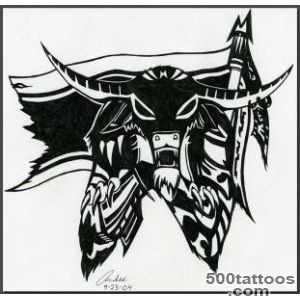
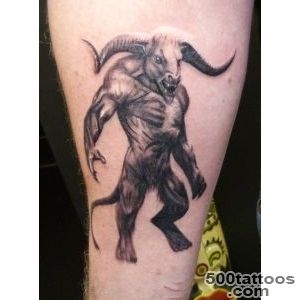
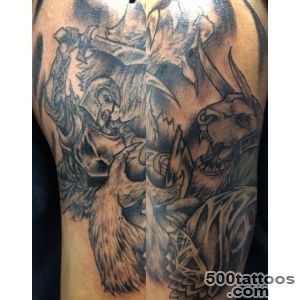
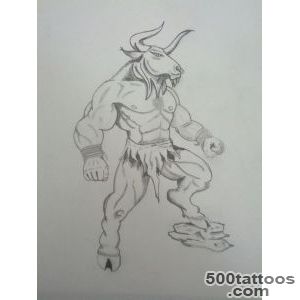
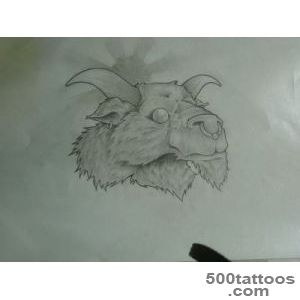
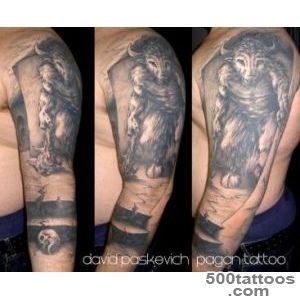
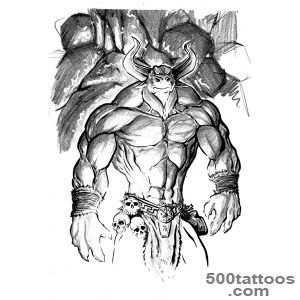
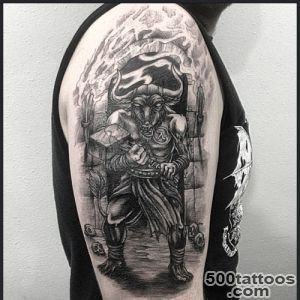
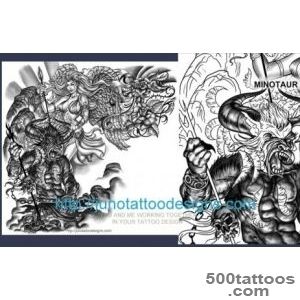
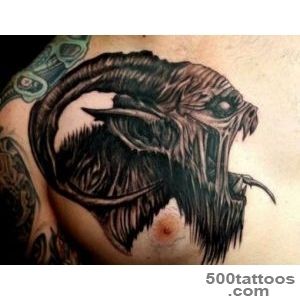
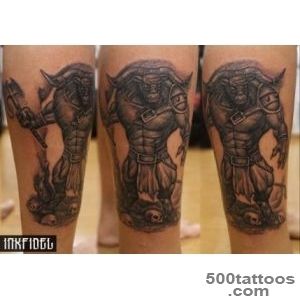
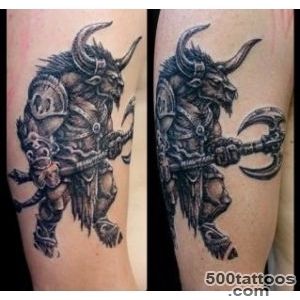
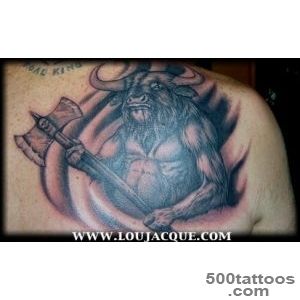
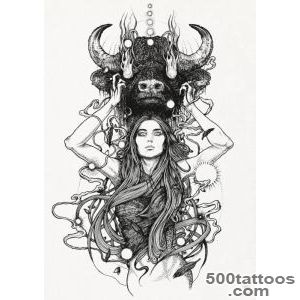
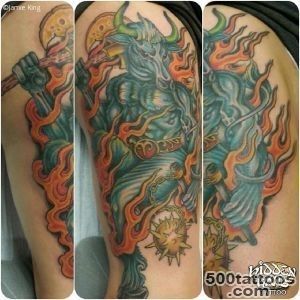
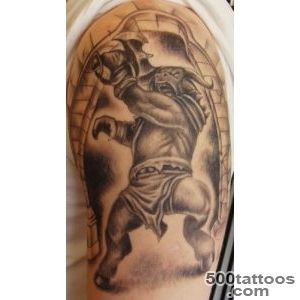
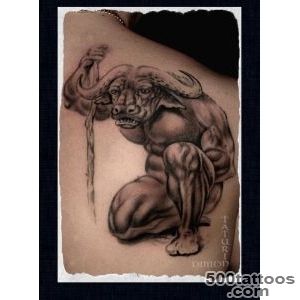
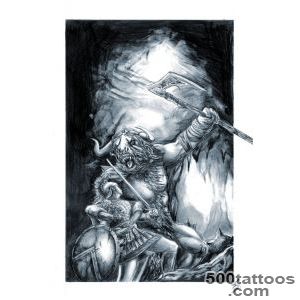
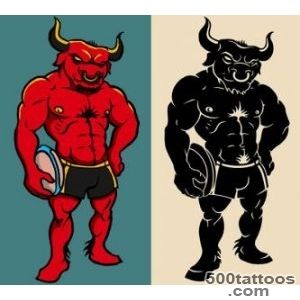
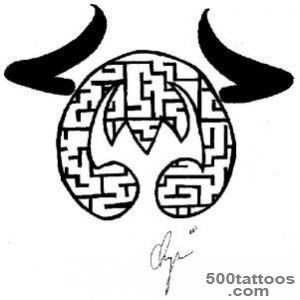
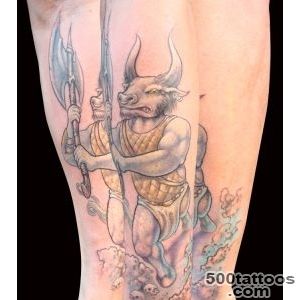
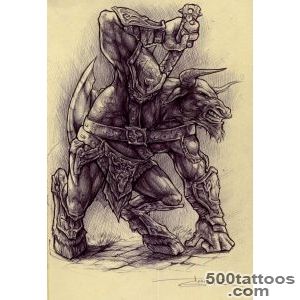
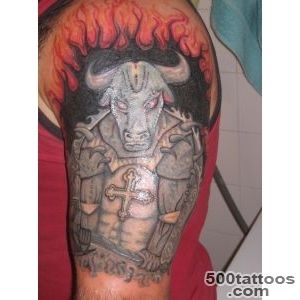
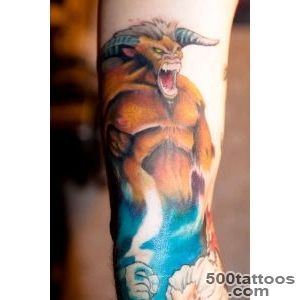
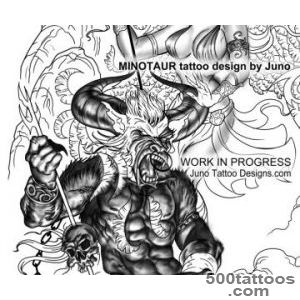
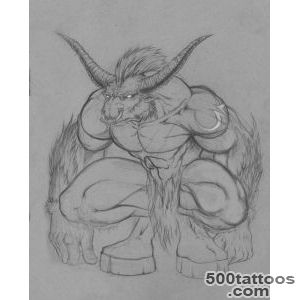
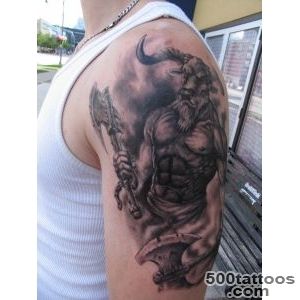
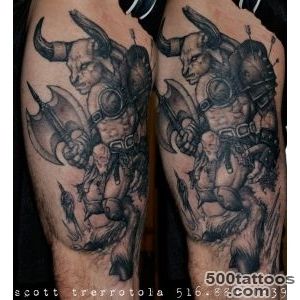
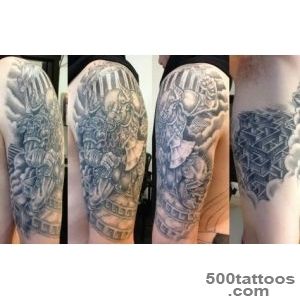
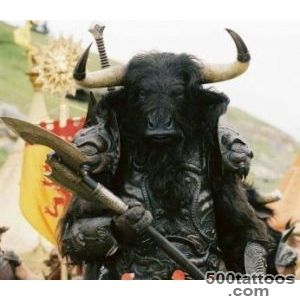
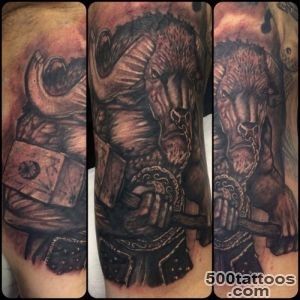
The combination of a muscular human body with the head and horns of a bull creates an image of raw, barely contained power. Artists can emphasize the monstrous side with exaggerated horns, flared nostrils, and wild eyes, or lean toward a more tragic interpretation that shows intelligence and sorrow in the creature's expression. The labyrinth as a background element adds context and visual complexity, with its endless corridors echoing the idea of entrapment.
Style, Scale, and Placement
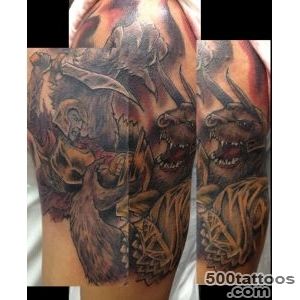
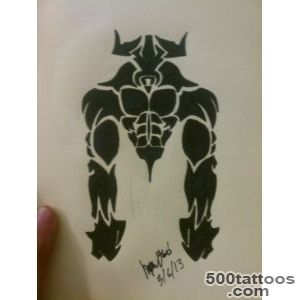
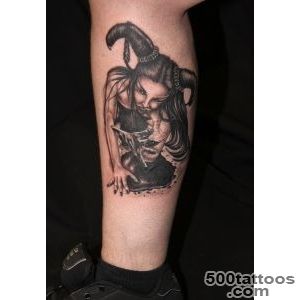
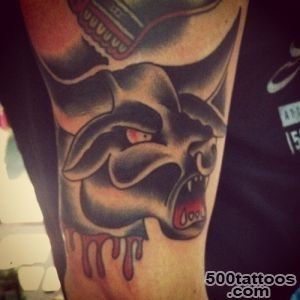
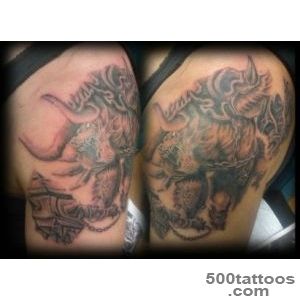
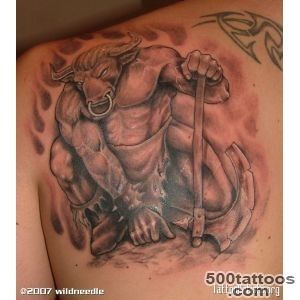
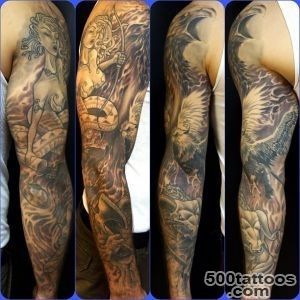
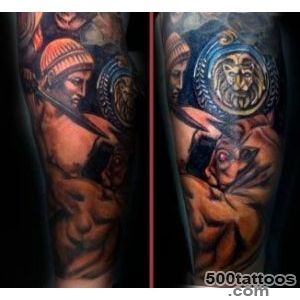
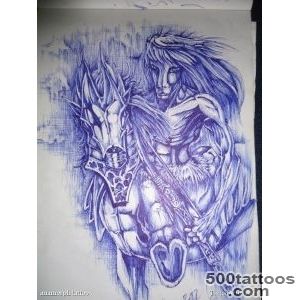
Black and gray realism captures the texture of fur, muscle, and stone architecture. Neo-traditional and illustrative styles allow for dramatic color and bolder linework. The upper arm, thigh, or back provide enough space for a full figure with labyrinth detail. A minimalist bull-head silhouette works on the forearm or calf for a subtler reference. Whatever scale you choose, the expression on the face is what makes or breaks the piece, so invest in an artist with strong portrait skills.
Minotaur tattoo designs and images