Trout tattoo
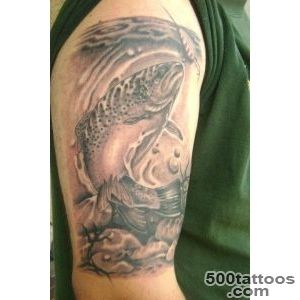
What Trout Tattoos Symbolize
The trout is a freshwater fish associated with purity, persistence, and a free-spirited life. It thrives in clean, cold water, making it a natural symbol for those who value clarity, independence, and an active connection to the outdoors. Anglers and nature lovers are drawn to the trout as a subject that represents their lifestyle without needing explanation.
The trout's upstream migration echoes themes of determination and going against the current. In Celtic tradition, the salmon - a close relative - was linked to wisdom and sacred knowledge. The trout inherits that symbolism, representing a creature that survives through instinct and resilience.
Design Styles for Fish Tattoos
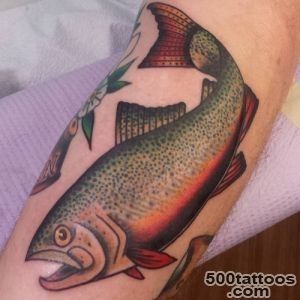
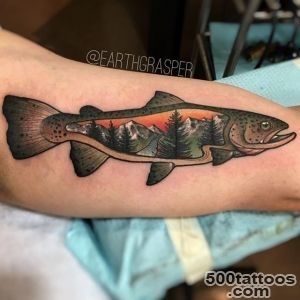
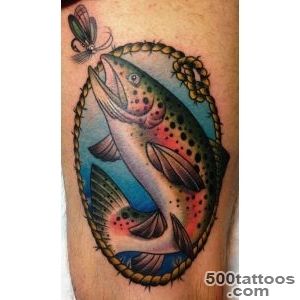
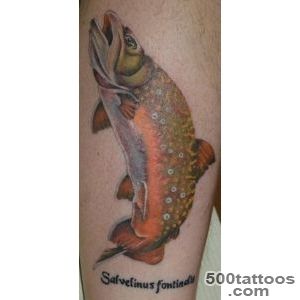
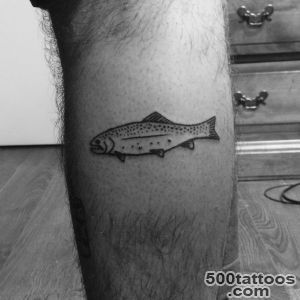
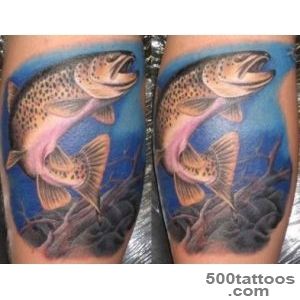
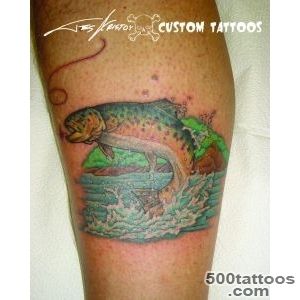
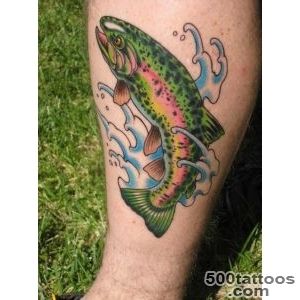
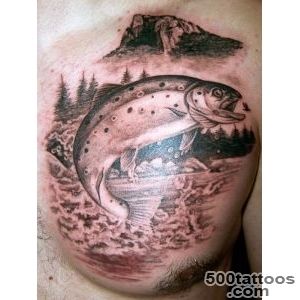
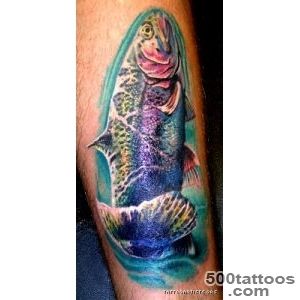
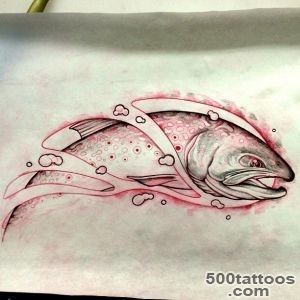
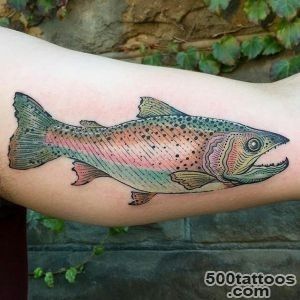
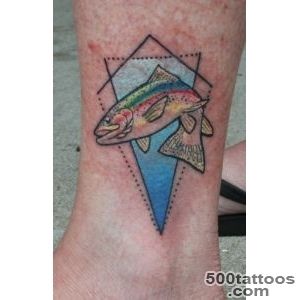
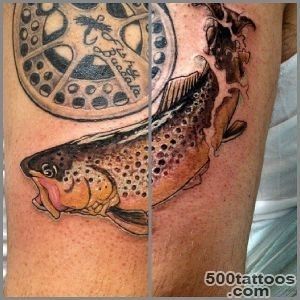
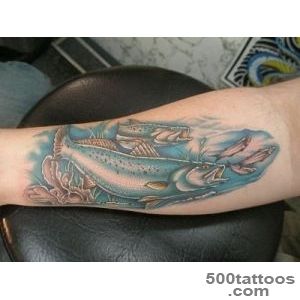
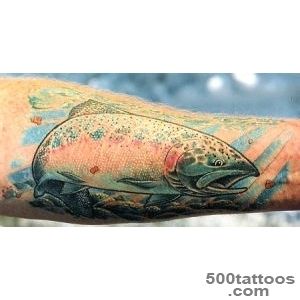
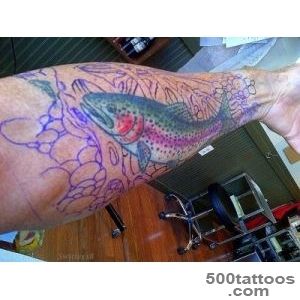
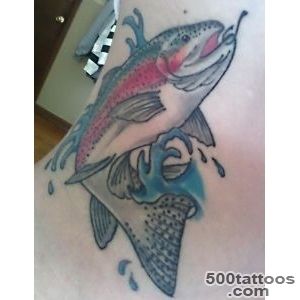
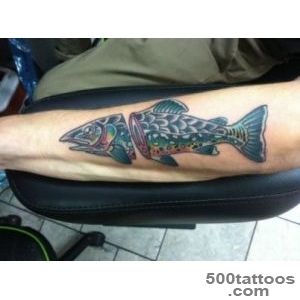
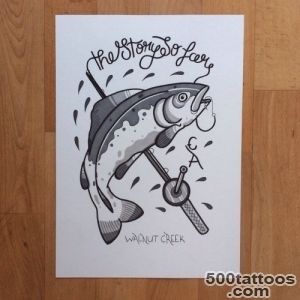
Realistic portraits capture the speckled skin, iridescent scales, and translucent fins that make the fish visually striking. American traditional style renders the trout with bold outlines and limited color - a classic look that ages well. Neo-traditional adds richer detail and gradients while keeping bold framing.
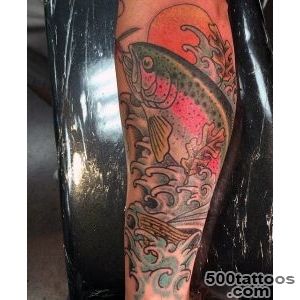
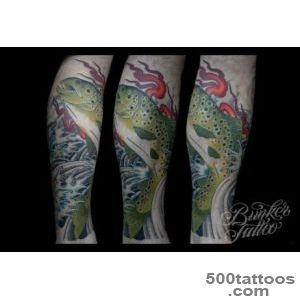
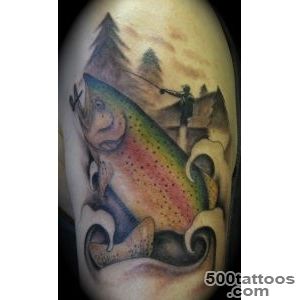
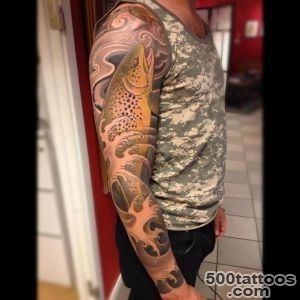
Watercolor styles suit the trout especially well because the fish's natural coloring already includes pink, gold, green, and silver. Japanese-inspired compositions place the fish among waves and water spray for a dynamic design.
Color and Realism Approaches
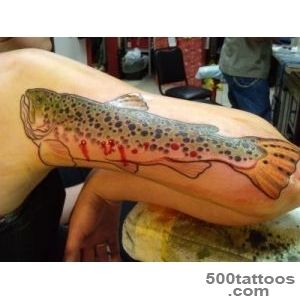
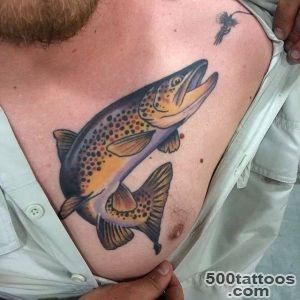
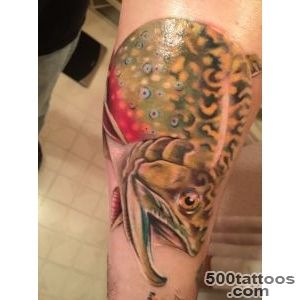
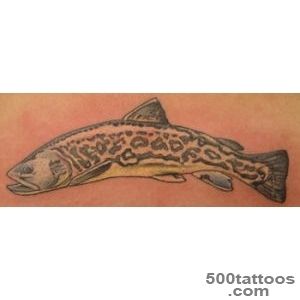
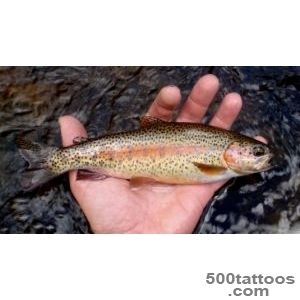
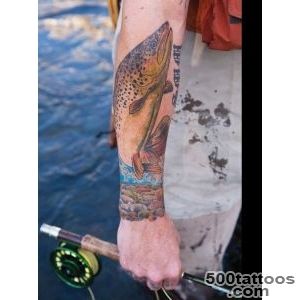
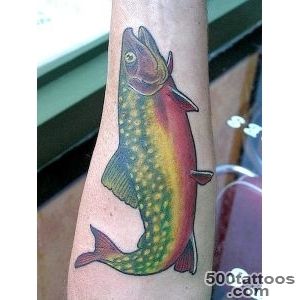
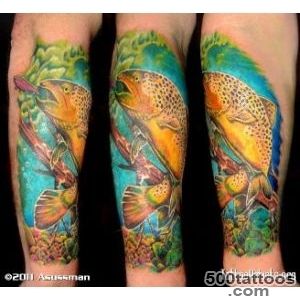
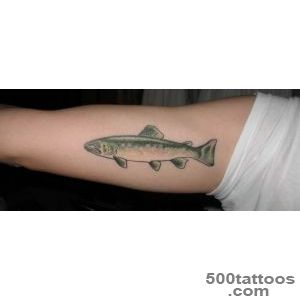
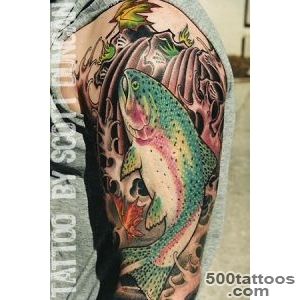
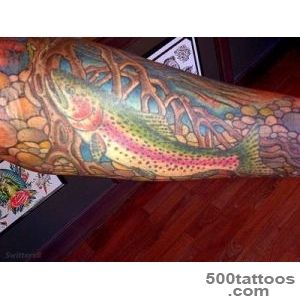
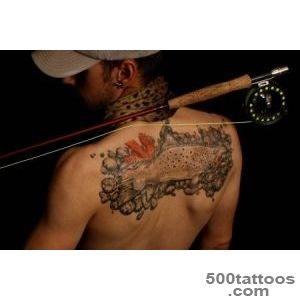
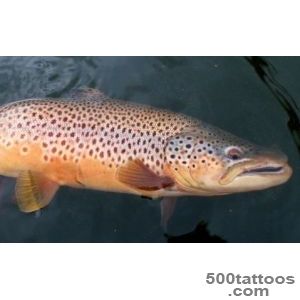
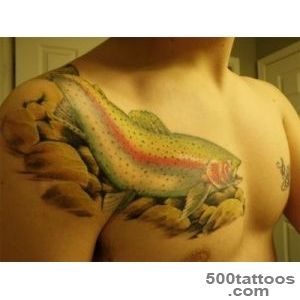
Rainbow trout offer the most color variety, with a pink-to-red stripe, olive-green back, and spotted pattern. Brook trout feature deep green marbling with spots circled in blue. Brown trout have a muted palette of golds and dark spots that works in a warm color scheme.
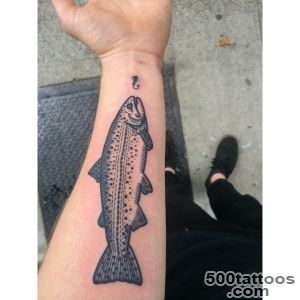
Black-and-gray realism strips the trout to pure contrast, emphasizing form over color. This approach gives a timeless quality and avoids the fading that comes with lighter inks over the years.
Placement Ideas for Trout Designs
The forearm is popular, with the fish oriented along the arm's length for a streamlined effect. The calf offers a similar long canvas. The upper arm and shoulder allow for a larger composition with river backdrop and vegetation.
A smaller trout works on the inner bicep or ankle. Avoid extremely small placements for realistic designs, since speckled detail and fine fin structure need enough space to stay legible as the ink ages.
Trout tattoo designs and images