Violin tattoo
A violin tattoo speaks to devotion - to music, to discipline, and to the emotions that sound carries when words fall short. It may honor a musician's personal journey, a favorite composer, or a memory woven around a specific song or live performance. Even for people who do not play, the violin's graceful curves and cultural weight make it one of the most visually striking instruments to wear as ink.
Symbolism and personal meaning
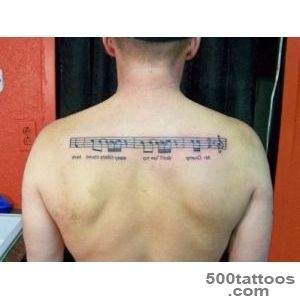
The violin has represented refinement and emotional depth for centuries. In classical art it appears alongside themes of time passing and beauty that is fragile yet enduring. As a tattoo it can mark years of practice, a tribute to a teacher or mentor, or a reminder that beauty often comes through patience and repetition. Some wearers add a broken string to symbolize loss, while others include sheet music from a piece that changed their life.
Design styles
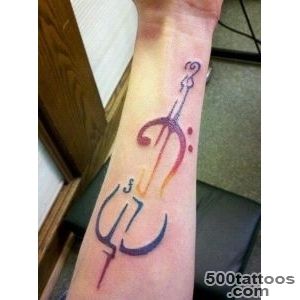
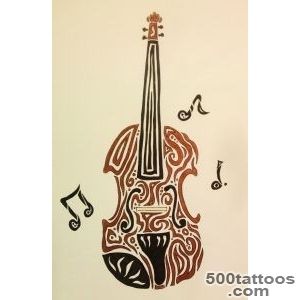
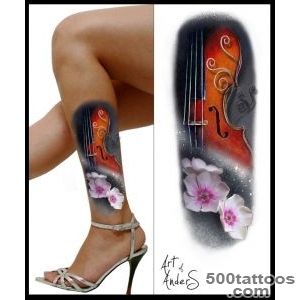
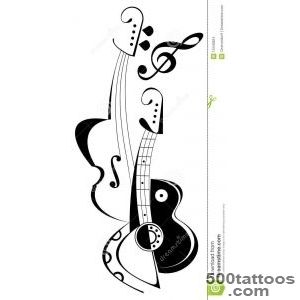
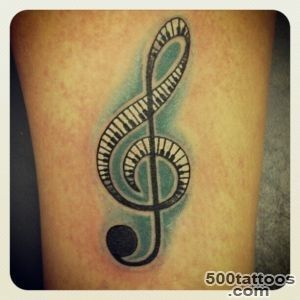
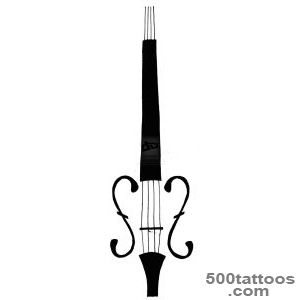
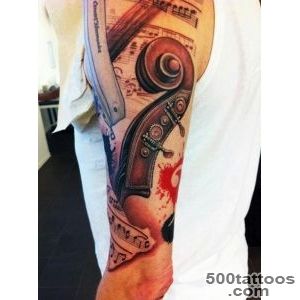
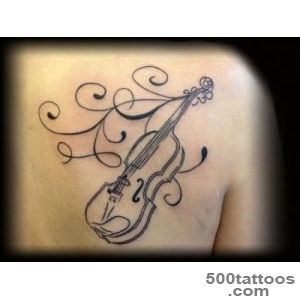
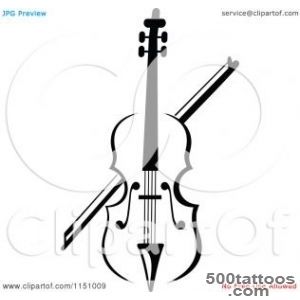
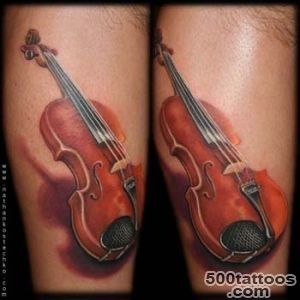
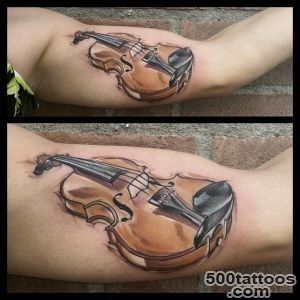
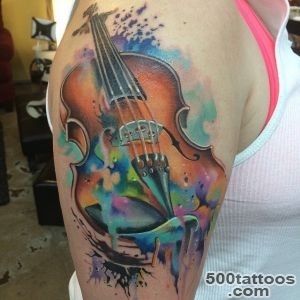
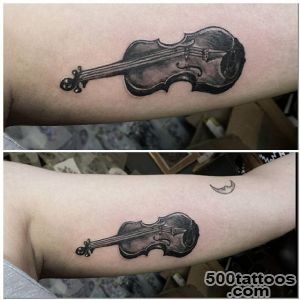
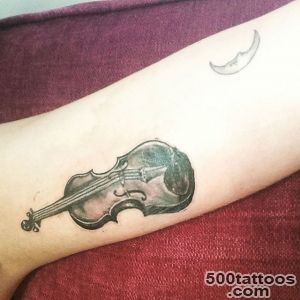
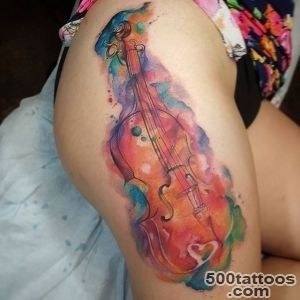
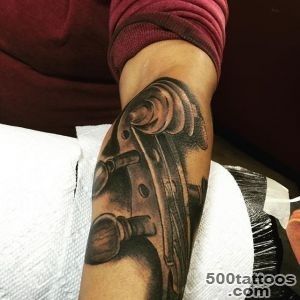
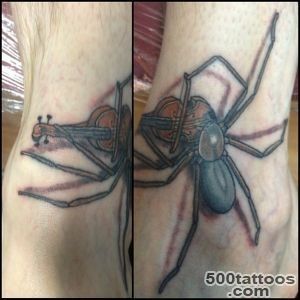
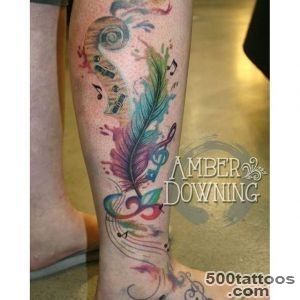
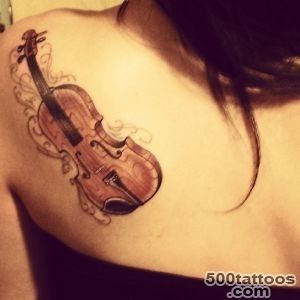
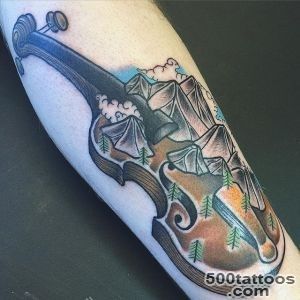
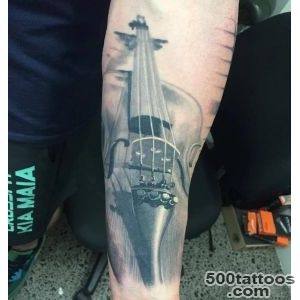
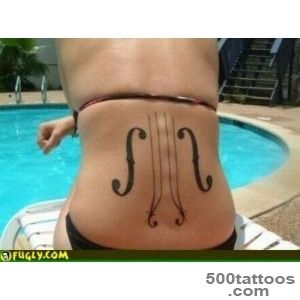
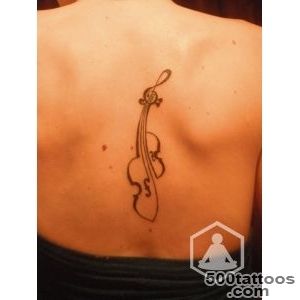
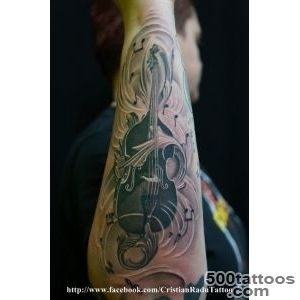
Fine-line work captures the instrument's elegant silhouette - the scroll, f-holes, and slender neck translate well into delicate single-needle outlines. Blackwork gives the violin a bold, iconic presence with strong contrast between body and background. Watercolor splashes behind or around the instrument can suggest sound waves, stage lighting, or raw emotion spilling outward. Realism is the most demanding approach but rewards with visible wood grain, string tension, and shadow that make the violin look three-dimensional on skin.
Composition ideas
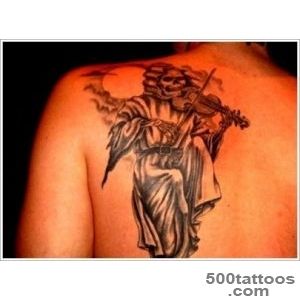
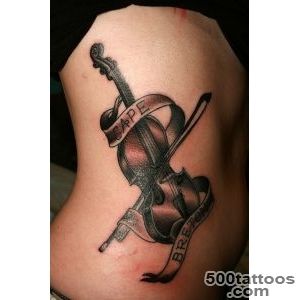
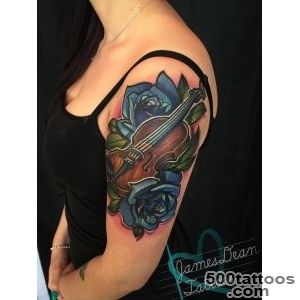
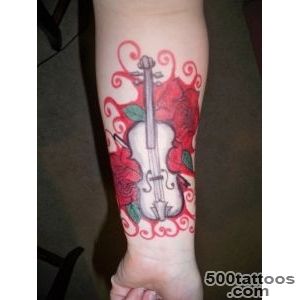
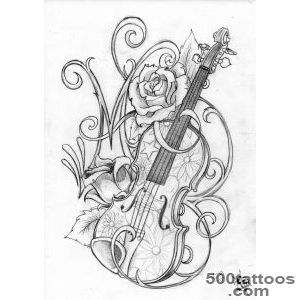
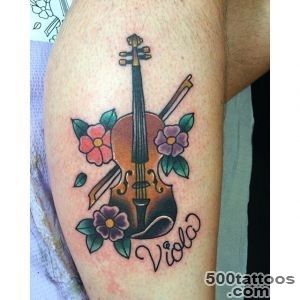
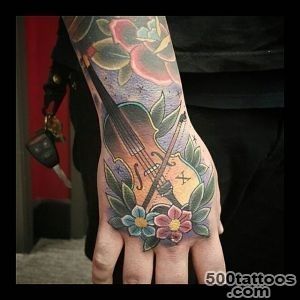
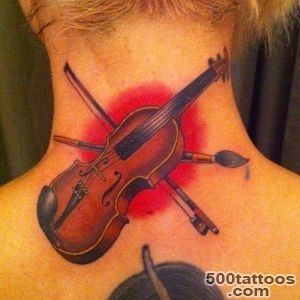
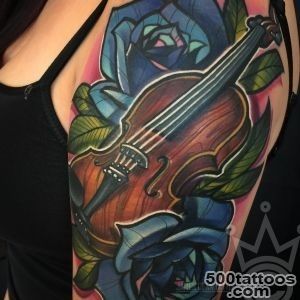
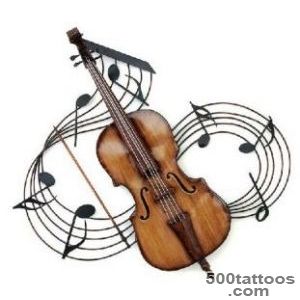
A solo violin works as a clean, focused piece. Pairing it with flowers - roses for passion, lilies for remembrance - adds narrative depth. Musical notes drifting from the strings create movement, while a bow drawn across the body implies an active performance rather than a still life. Some designs wrap the instrument in vines or ribbons carrying a short lyric or date.
Placement and sizing
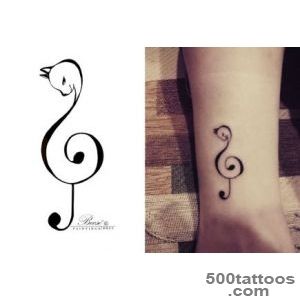
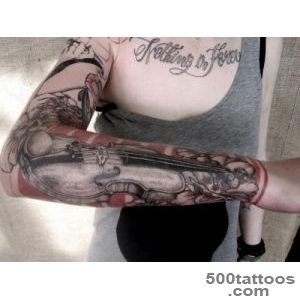
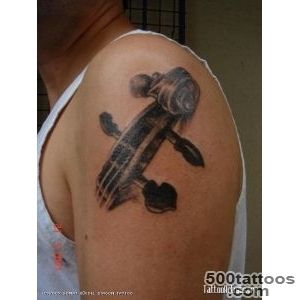
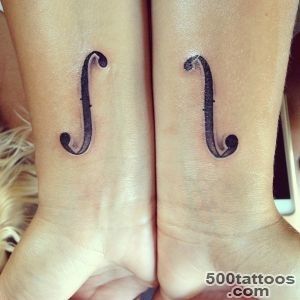
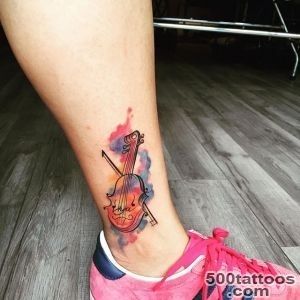
On the forearm a violin sits vertically so its proportions stay true to life, making it easy to display or cover. The upper arm and shoulder provide enough surface for realistic shading and background elements that need breathing room. A minimalist bow or single string motif fits the wrist or inner ankle for a subtle nod to music without a large commitment. The ribcage suits a full-size violin placed at a slight angle, following the body's natural contour.
Aftercare notes
Keep the strings and f-holes large enough relative to the overall size so they heal with crisp edges. Wrist placements tend to sting more than shoulder or upper arm, so plan your session length accordingly. Follow standard aftercare - gentle washing, fragrance-free moisturizer, no soaking - and avoid sun exposure for at least three weeks so fine lines do not spread or fade unevenly.
Violin tattoo designs and images