Water tattoo
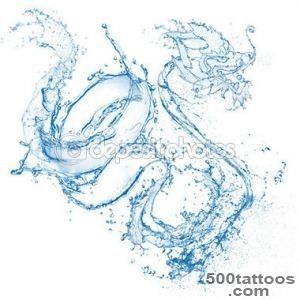
Water never holds the same shape twice, and that is exactly why it works so well as a tattoo subject. A water tattoo can represent the ability to adapt, the courage to let go, or the quiet power of something that carves canyons given enough time. Waves, raindrops, rivers, and abstract currents each carry a slightly different emotional charge, but they all share a connection to movement, change, and renewal.
Flow, renewal, and letting go: the emotional side of water ink
Water has been a purification symbol across cultures for thousands of years - baptism, ritual bathing, river offerings. In tattoo form, it often marks a turning point: the end of a difficult chapter, a fresh start, or the acceptance that control is an illusion and adaptation is what actually works. A calm wave can represent inner peace. Crashing surf speaks to raw power and unpredictability. A single raindrop suggests new beginnings, while a flowing river implies a journey with no fixed destination.
Waves vs drops vs rivers: choosing your water form
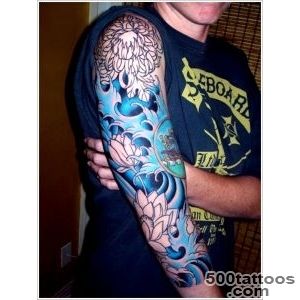
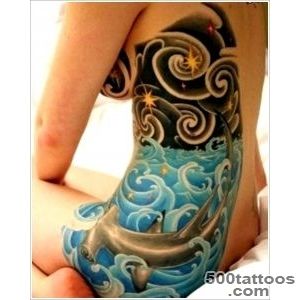
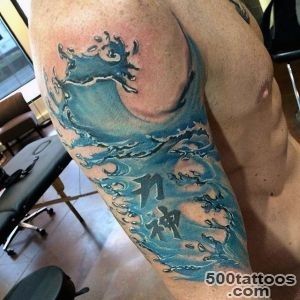
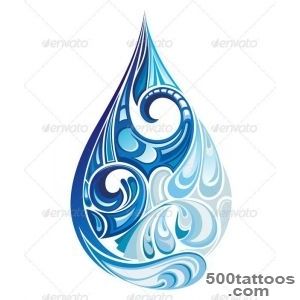
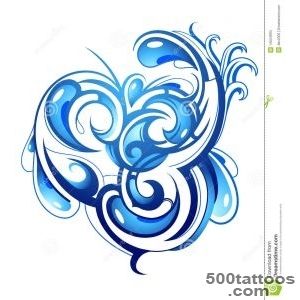
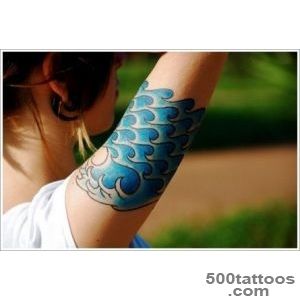
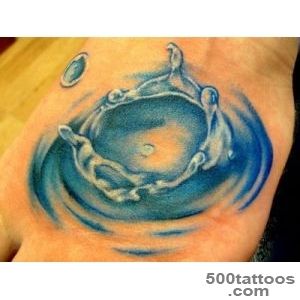
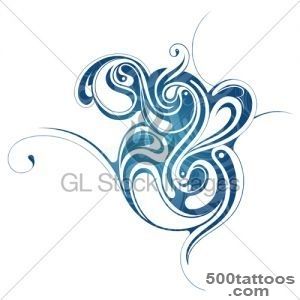
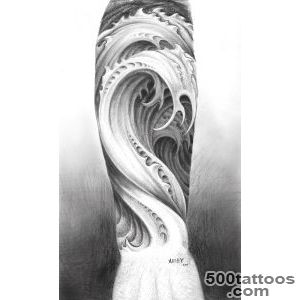
Each form gives the artist a different compositional challenge. Ocean waves suit horizontal forearm placements where the motion follows the arm's natural curve. A single drop or a cluster of droplets works as a minimalist wrist or ankle accent. A river scene - winding through rocks or a forest - creates a narrative landscape that fits the ribs, back, or thigh. Abstract water patterns - ripples, concentric circles, flowing lines - skip literal representation and focus on the feeling of water instead.
Why watercolor style and water subjects are a natural match
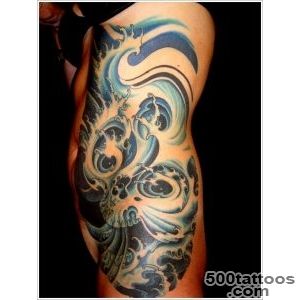
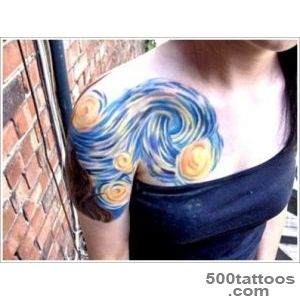
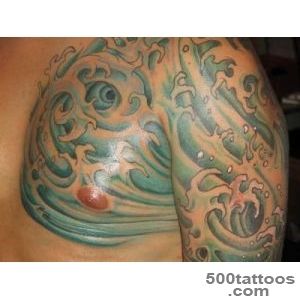
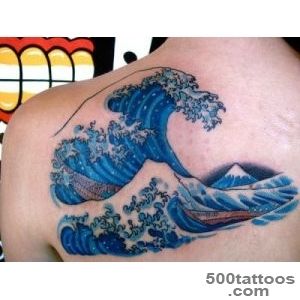
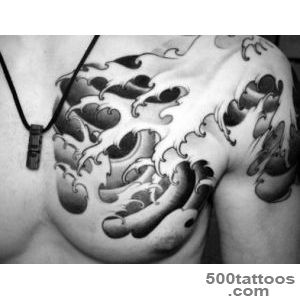
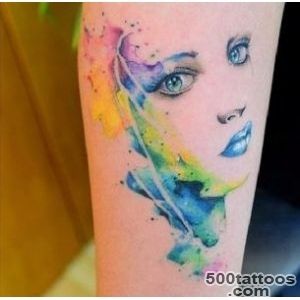
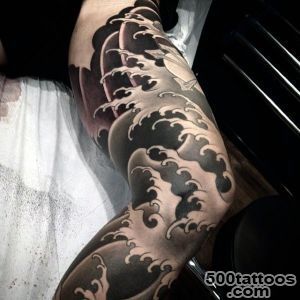
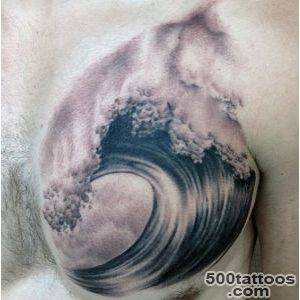
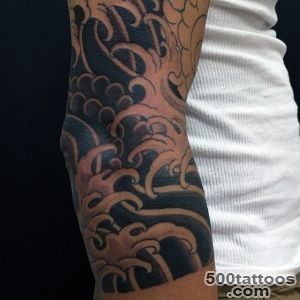
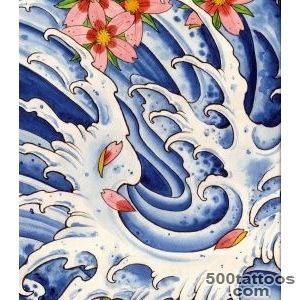
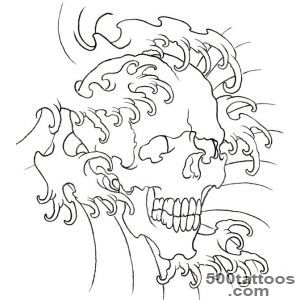
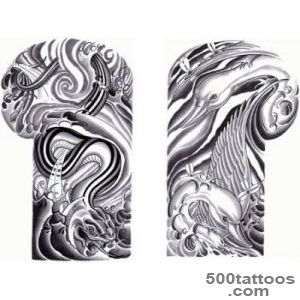
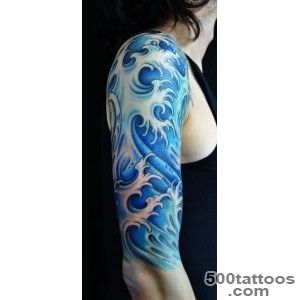
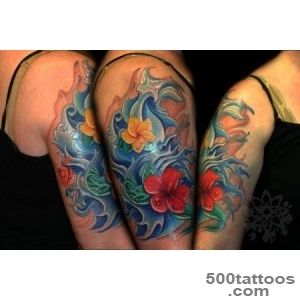
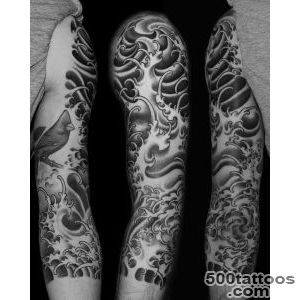
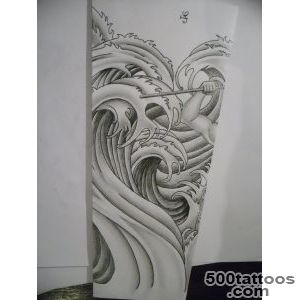
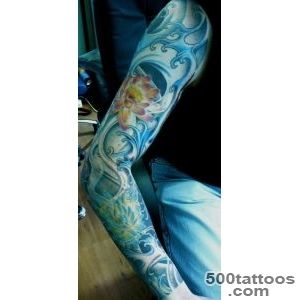
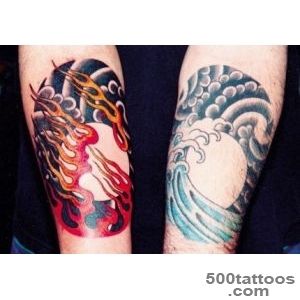
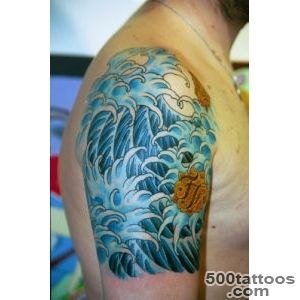
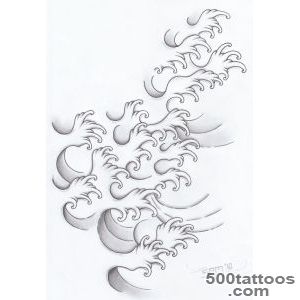
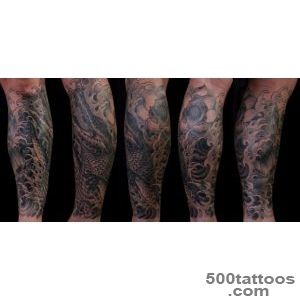
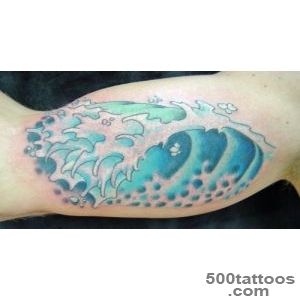
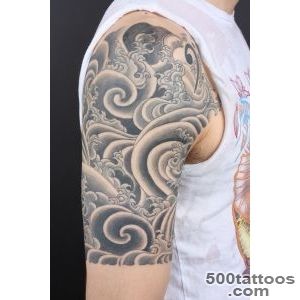
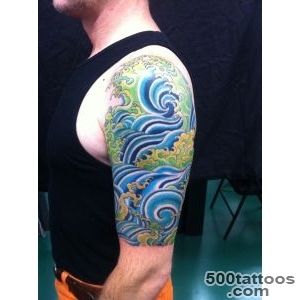
There is an obvious logic to rendering water in watercolor style: the medium mirrors the subject. Blues and turquoises bleed into each other the way real water catches and bends light. Splatter effects mimic spray and mist. But water also works in other styles. Blackwork turns waves into bold graphic patterns of positive and negative space. Fine-line ripples feel airy and minimal. Realism captures foam, reflections, and underwater light with impressive depth. Japanese traditional wave patterns - inspired by Hokusai - bring cultural heritage and iconic visual power.
Browse 50 water tattoo photos below
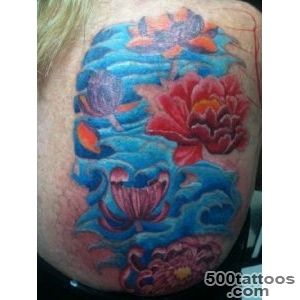
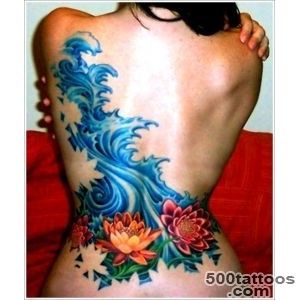
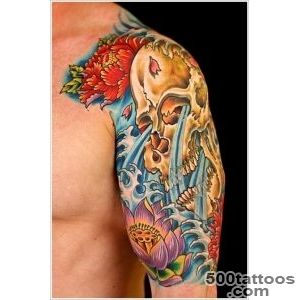
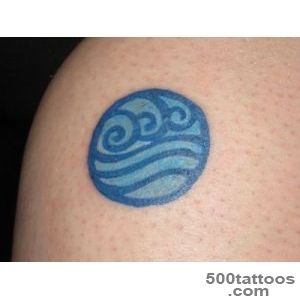
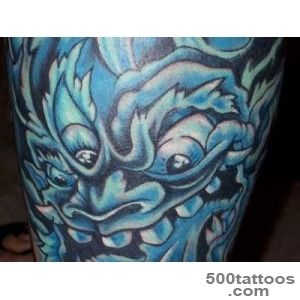
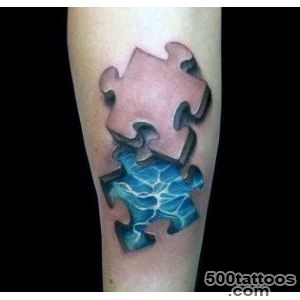
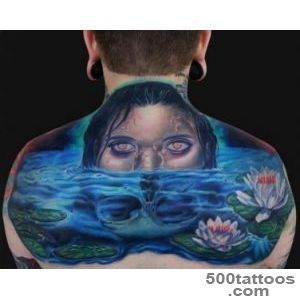
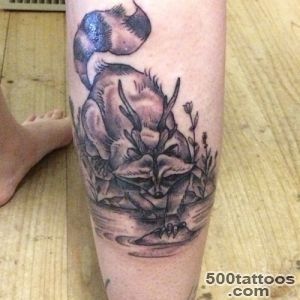
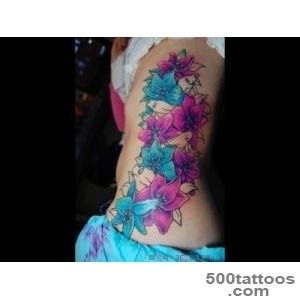
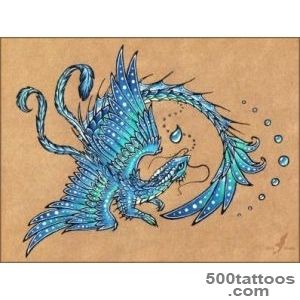
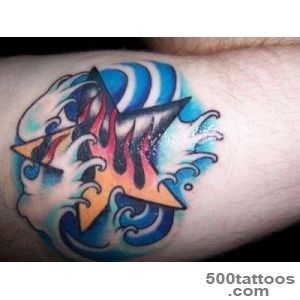
Compare realistic ocean waves, fine-line raindrop clusters, watercolor river scenes, Japanese wave patterns, and abstract ripple compositions. Notice how placement changes the design's energy: a forearm wave feels active and visible, while a ribcage river scene stays private and contemplative.
Water tattoo designs and images