Weapons tattoo
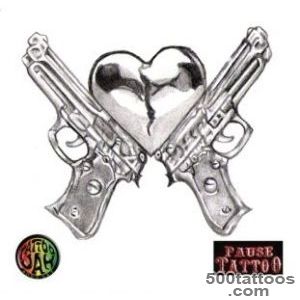
A weapons tattoo is not about aggression - or at least it does not have to be. Swords, daggers, axes, and shields have been symbols of honor, justice, sacrifice, and craftsmanship for thousands of years. The meaning depends on the weapon you choose, how you frame it, and what personal story you attach to the steel.
Sword, dagger, axe: what each weapon conveys
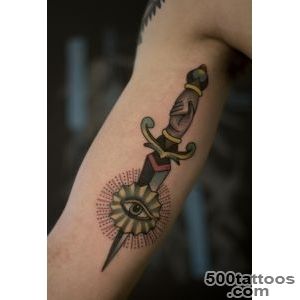
A sword is the most common weapon in tattoo art and almost always reads as noble - justice, protection, a battle fought and won. A dagger is its darker, more personal cousin: it can mean betrayal, survival, stealth, or self-defense depending on context. Axes carry a raw, primal energy tied to Viking heritage, frontier life, or the idea of clearing a path through obstacles. Shields flip the script entirely - they are about defense, resilience, and the choice to protect rather than attack. Bows and arrows represent direction, precision, and hitting your mark in life.
The dagger-through-rose classic and other iconic combos
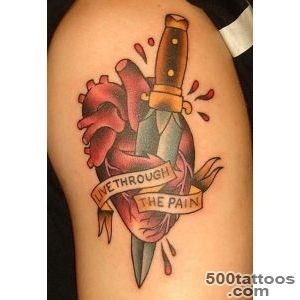
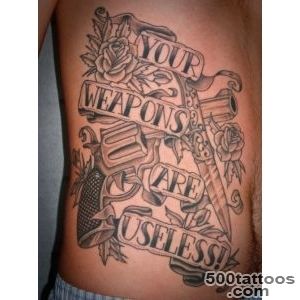
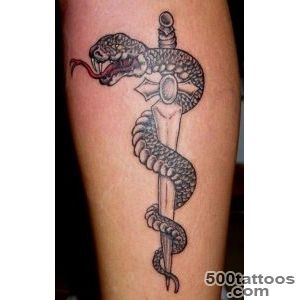
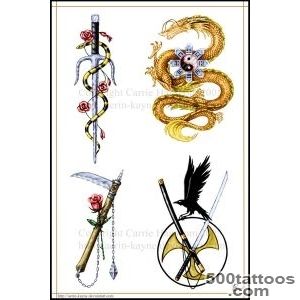
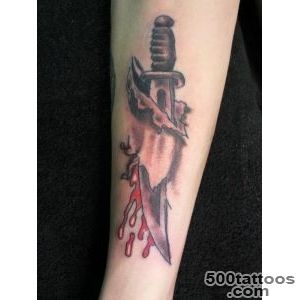
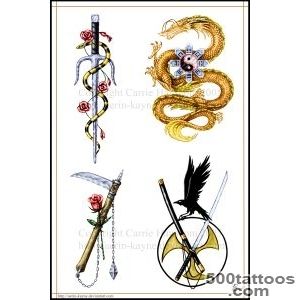
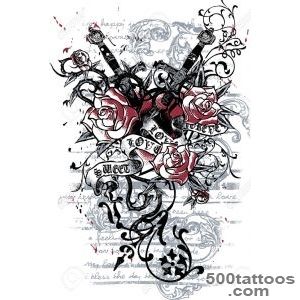
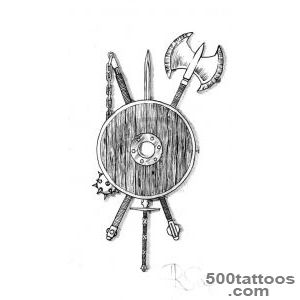
Some weapon tattoo compositions have become timeless. The dagger piercing a rose blends beauty with danger and is a staple of American traditional flash. A sword wrapped in a banner carries a motto or a name, turning the blade into a personal crest. Crossed swords behind a shield create an instant heraldic emblem. A katana resting on a cherry-blossom branch blends Japanese martial culture with transience and beauty. A broken sword can symbolize defeat, sacrifice, or the end of a conflict - powerful when the story behind it is real.
Heraldic crests, samurai steel, and historical references
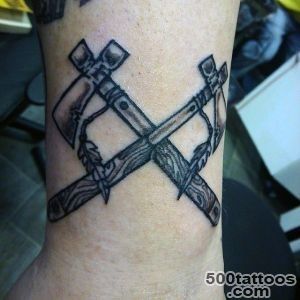
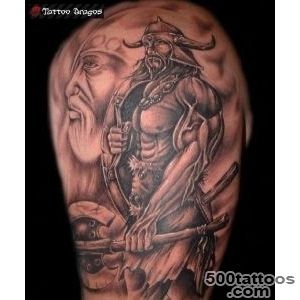
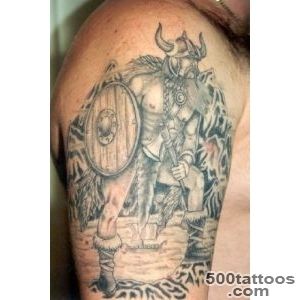
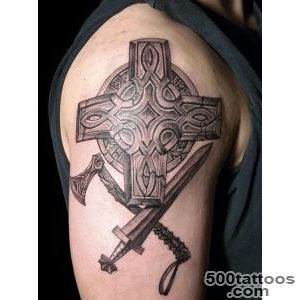
History gives weapon tattoos depth. A Roman gladius set inside a laurel wreath ties the piece to ancient military tradition. A Viking bearded axe with rune carvings adds Norse mythology. A Scottish claymore crossed with a thistle connects the design to Highlander heritage. Samurai katanas and wakizashi pair naturally with Japanese waves, dragons, or temple backgrounds. Even medieval European longswords, placed inside a stained-glass panel layout, can create a piece that feels more like art history than aggression.
Framing a weapon tattoo: from forearm blades to back-piece arsenals
The forearm is a natural fit for a single vertical dagger or short sword. The upper arm and shoulder provide room for a longer weapon with supporting elements - banners, flowers, or a shield. The back can hold a full heraldic crest or a crossed-weapons composition with ornamental framing. The calf works for a standalone axe or mace. Keep wrist placements minimal - a tiny dagger outline or arrowhead - so small lines do not blur with time and movement.
See 44 weapons tattoo photos below
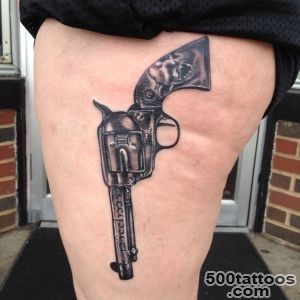
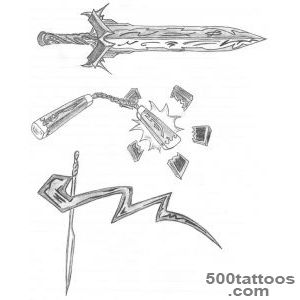
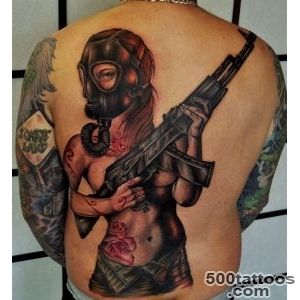
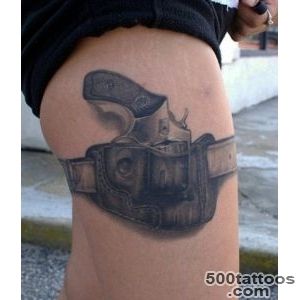
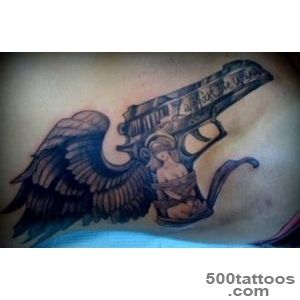
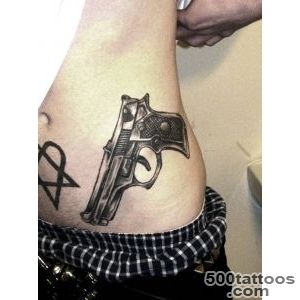
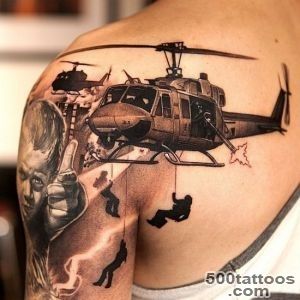
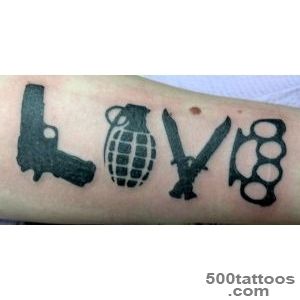
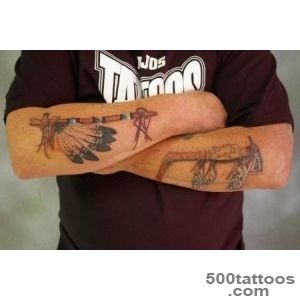
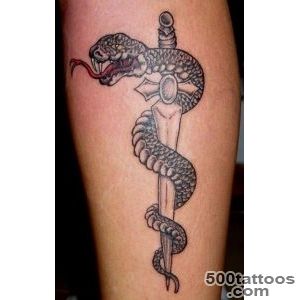
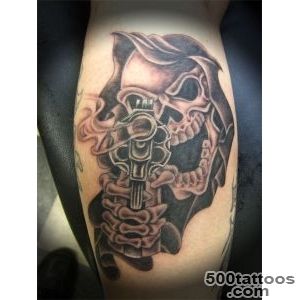
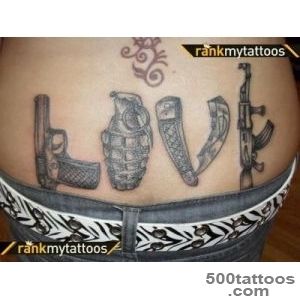
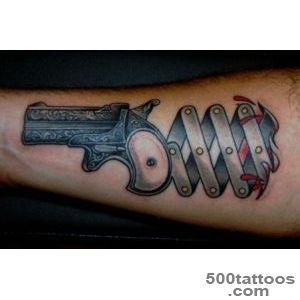
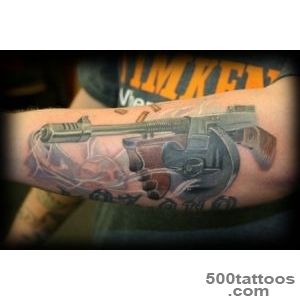
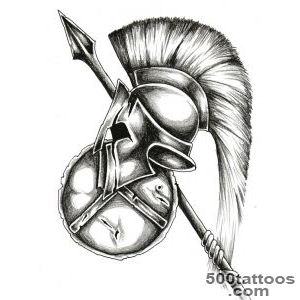
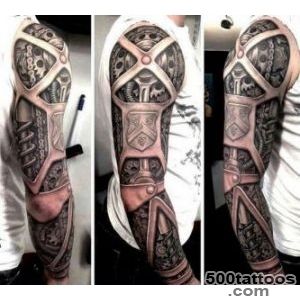
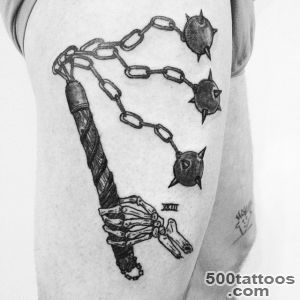
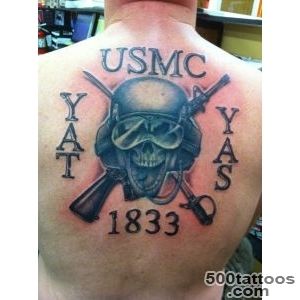
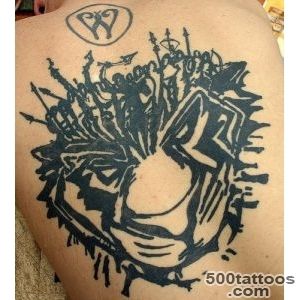
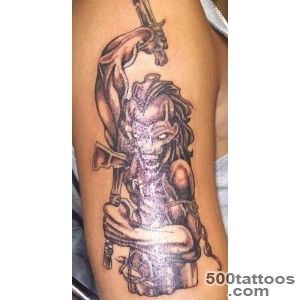
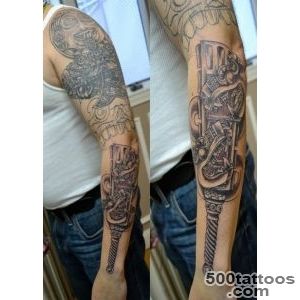
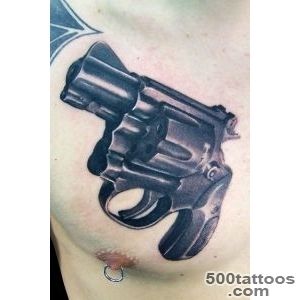
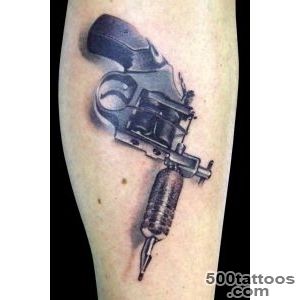
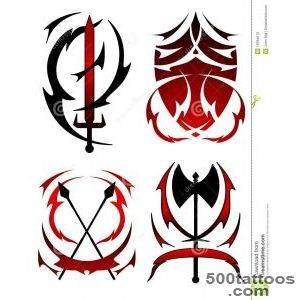
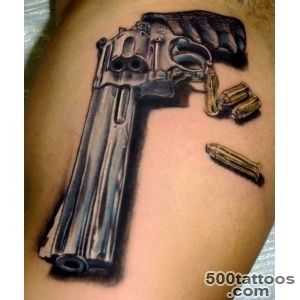
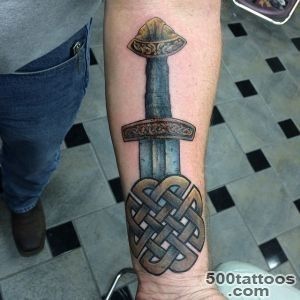
The gallery covers traditional dagger-and-rose flash, realistic samurai katanas, blackwork Viking axes, heraldic shield compositions, and fine-line arrow designs. Pay attention to how framing and context shift the tone from martial to artistic.
Weapons tattoo designs and images