White tattoo
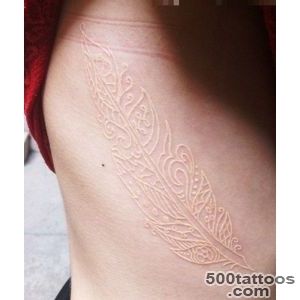
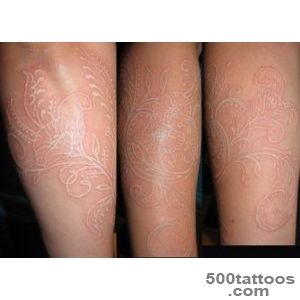
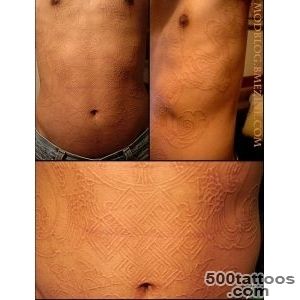
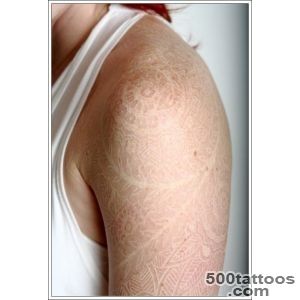
A white ink tattoo trades bold contrast for quiet elegance. Instead of dark lines on skin, you get a raised, almost embossed pattern that only reveals itself up close or under the right light. The effect is closer to a scar or a watermark than a conventional tattoo, and that subtlety is exactly the point for people who want ink that does not announce itself to the room.
How white ink works and why it looks different from regular tattoos
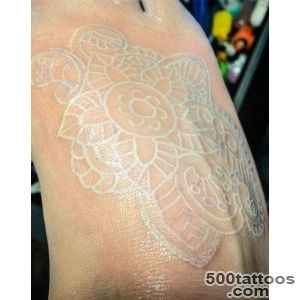
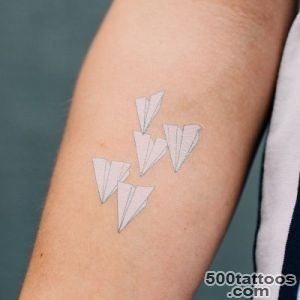
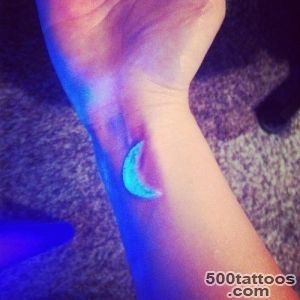
The process is identical to standard tattooing - same machine, same depth - but the pigment is a titanium-dioxide-based white. Because there is minimal contrast between the ink and most skin tones, the result reads more like a texture change than a color change. On medium and dark skin the white lines stand out with a clean, elegant glow. On very pale skin they can virtually disappear or look faintly pink during healing, so managing expectations with a test patch is smart before committing to a large piece.
Skin tone matters: who benefits most from white ink
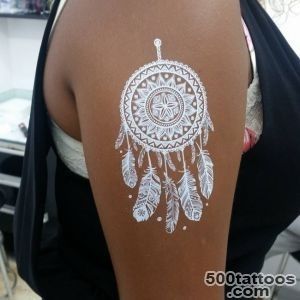
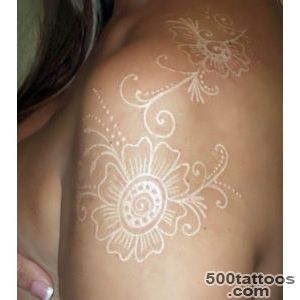
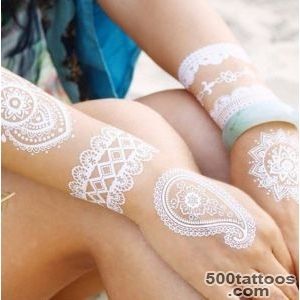
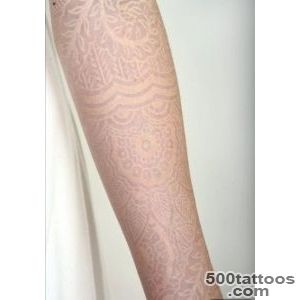
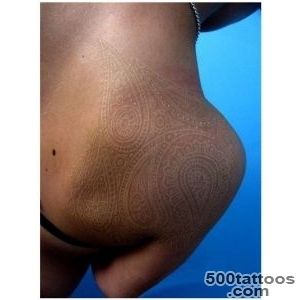
Olive, tan, and dark complexions show white ink at its best - the contrast is subtle but unmistakable, like a lace overlay on the skin. Fair-skinned clients often find the tattoo harder to see once healed, especially in indoor lighting. If you have very light skin and still want the white-ink look, some artists suggest a hybrid approach: white ink for the main design with a very faint grey outline to anchor the shapes so they do not vanish entirely.
Lace, mandalas, and constellations - designs that suit the medium
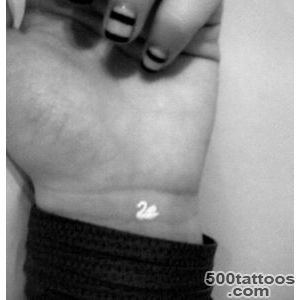
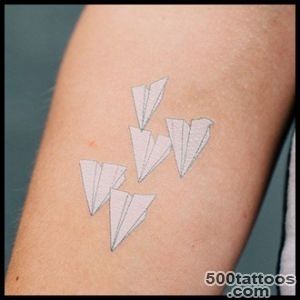
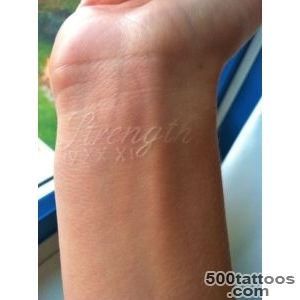
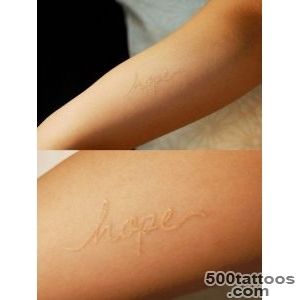
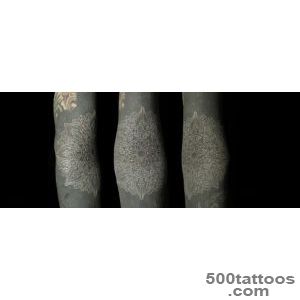
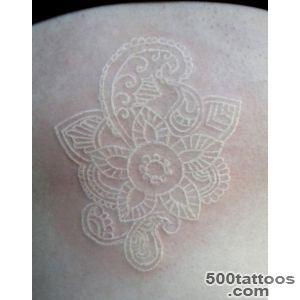
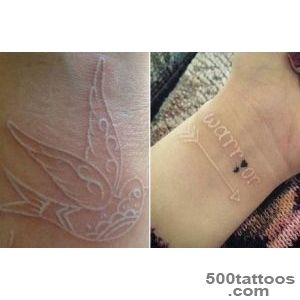
White ink rewards patterns that rely on structure and repetition rather than color fill. Lace motifs wrap beautifully around wrists and ankles. Mandala circles look carved into the skin. Constellation dot-and-line maps feel celestial and personal. Small lettering works when the font is clean and the letter spacing is generous - avoid anything too script-heavy or tightly kerned, because low contrast makes dense text hard to read as it ages. Floral outlines and minimalist geometric shapes are also strong choices.
Fading, yellowing, and touch-ups: the honest reality
White pigment does not hold as long as black. Over time it can shift toward beige, pale yellow, or slightly translucent depending on your skin chemistry and sun exposure. UV light is the biggest enemy - consistent sunscreen use (SPF 30+) on the tattooed area is non-negotiable. Plan for a touch-up session every two to three years if you want the design to stay crisp. Despite the maintenance, fans of white ink say the unique look is worth the extra effort.
Explore 50 white ink tattoo photos below
The gallery shows lace wristbands, mandala shoulder caps, constellation maps, floral outlines, and single-word scripts on various skin tones. Compare how the same design appears on light versus dark complexions - the difference is dramatic and worth studying before your consultation.
White tattoo designs and images