Arabic tattoos
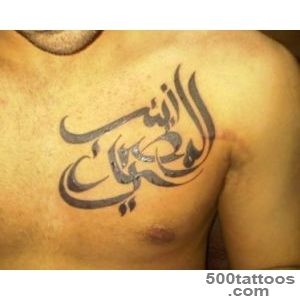
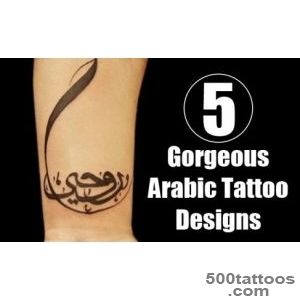
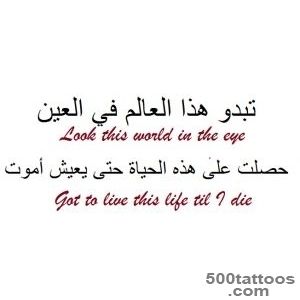
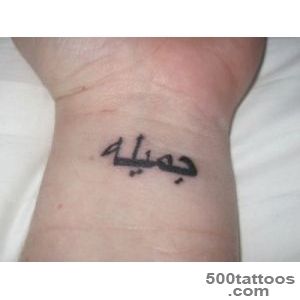
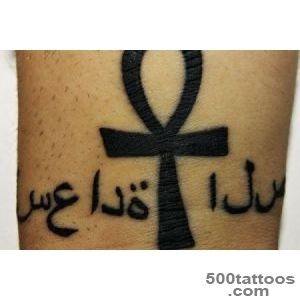
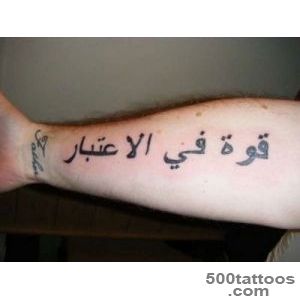
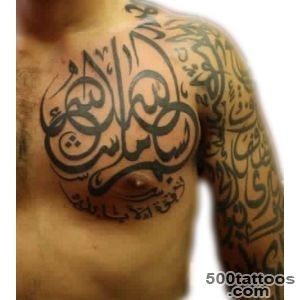
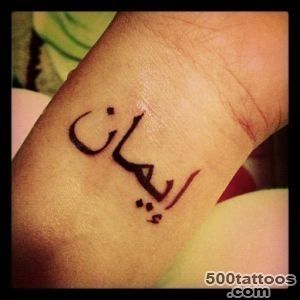
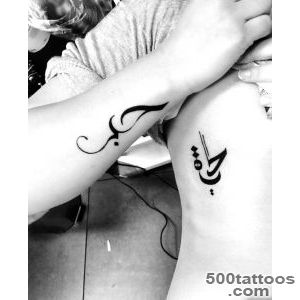
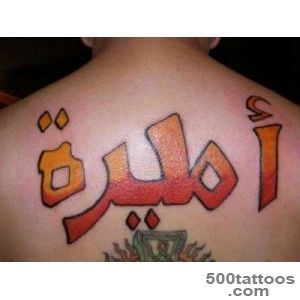
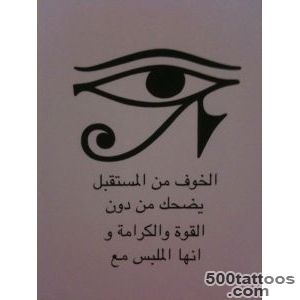
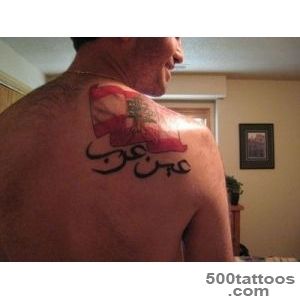
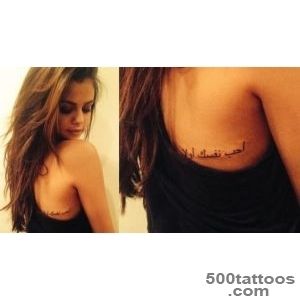
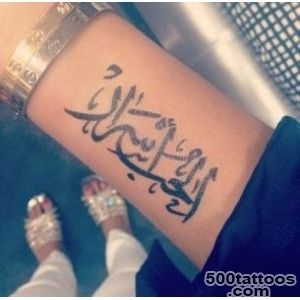
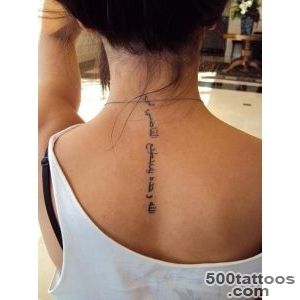
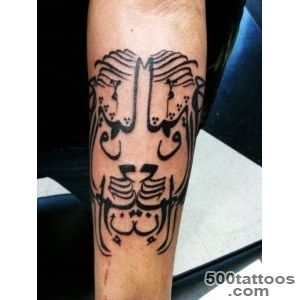
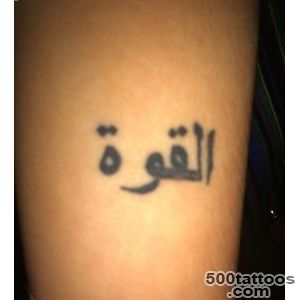
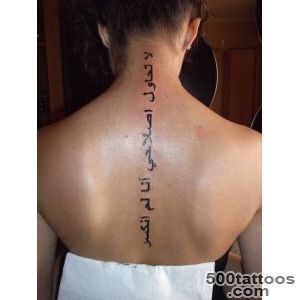
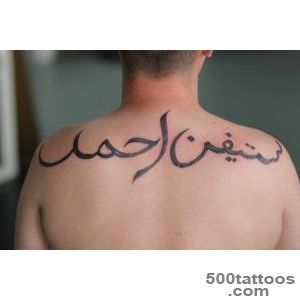
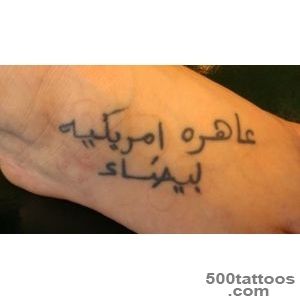
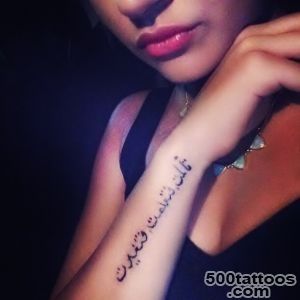
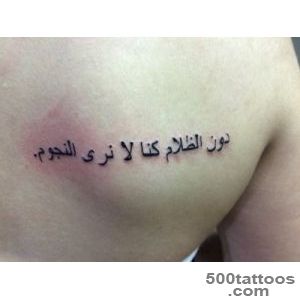
Arabic tattoos feature the flowing script and calligraphy of the Arabic language. They're chosen for the visual beauty of the lettering and often carry personal, spiritual, or cultural meaning.
Why People Choose Arabic Script
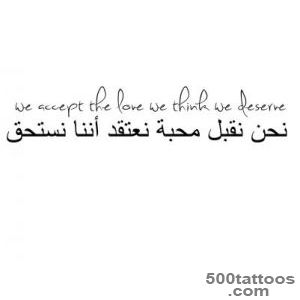
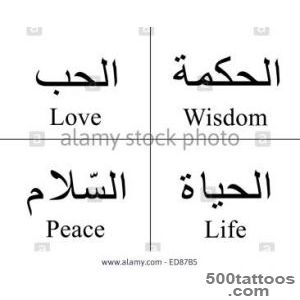
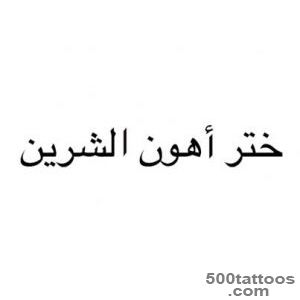
Arabic calligraphy is considered one of the most beautiful writing systems. People choose it for meaningful words or phrases, spiritual quotes, names, or simply the aesthetic appeal of the curves and dots. The right-to-left flow creates a distinctive look.
Translation & Accuracy
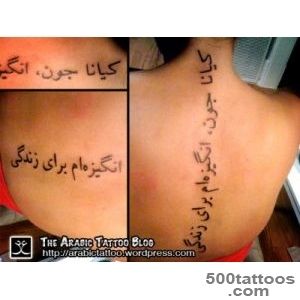
This is critical: don't rely on internet translators. Arabic has complex grammar, and words change form based on context. Have your phrase verified by a native speaker or professional translator. Misspelled or nonsensical Arabic tattoos are unfortunately common.
Calligraphy Styles
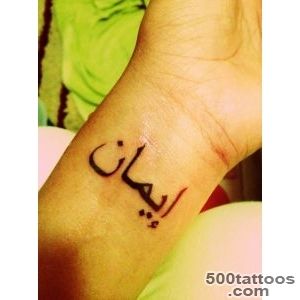
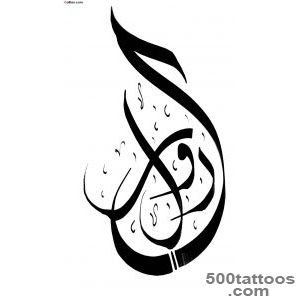
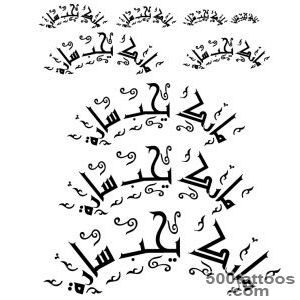
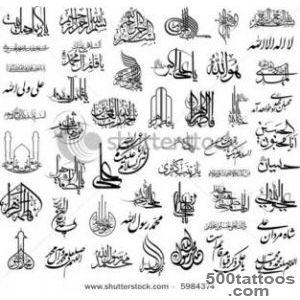
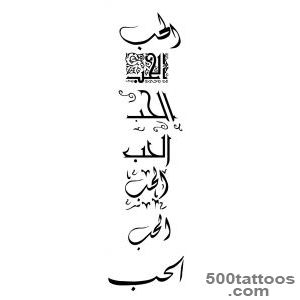
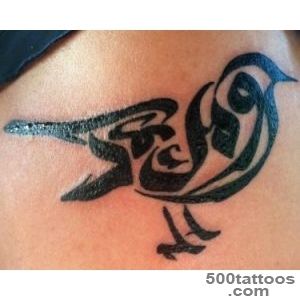
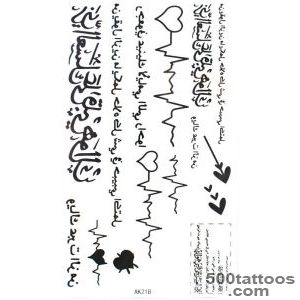
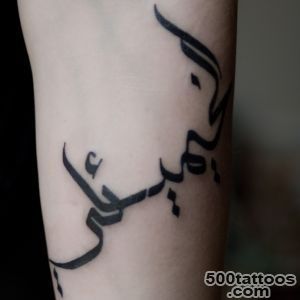
Naskh is clear and readable-good for names and short phrases. Thuluth is more decorative with elongated letters. Diwani features flowing, connected curves. Discuss style options with your artist and translator to match the meaning with the visual feel.
Placement for Readability
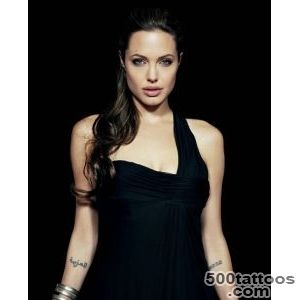
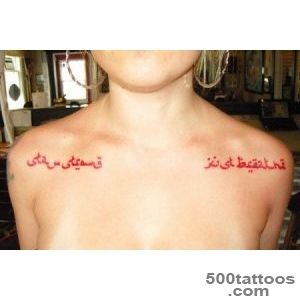
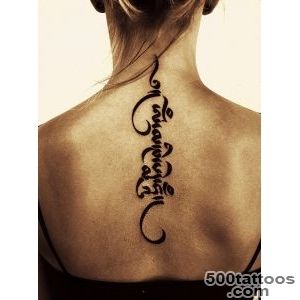
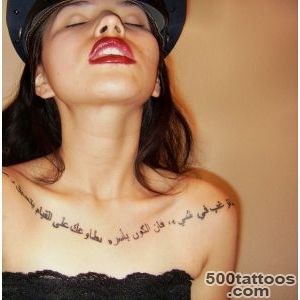
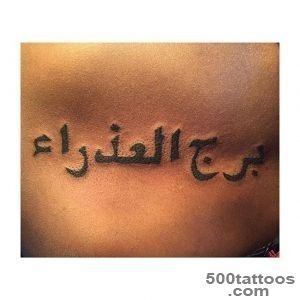
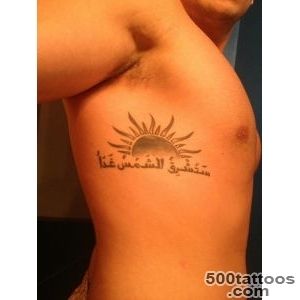
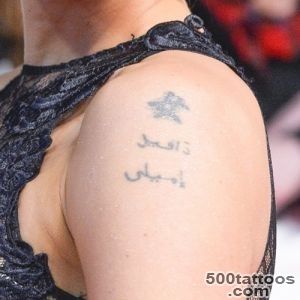
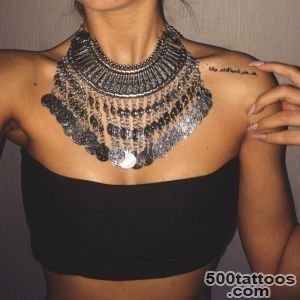
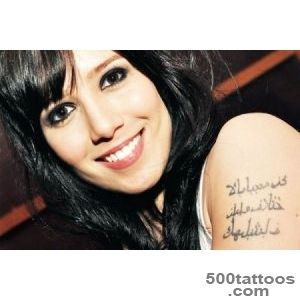
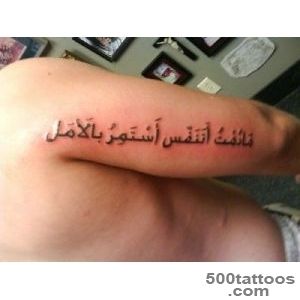
Arabic script needs horizontal space to flow properly. The forearm, upper arm, ribs, collarbone, and back work well. Chinese calligraphy offers similar aesthetic appeal. Avoid curving the text around tight areas where letters might distort. Font sizing matters-too small and the details blur over time.
Cultural Respect
If you're not from an Arabic-speaking background, be thoughtful about religious phrases or Quranic verses. Some consider sacred text on skin inappropriate. Secular phrases, names, or personal meaning are generally safer choices.
Working with Your Artist
Find an artist experienced with script tattoos. Bring a verified translation and reference for the calligraphy style. Review the stencil carefully before tattooing-once it's on, mistakes are permanent.
Arabic tattoos designs and images