Asian tattoos

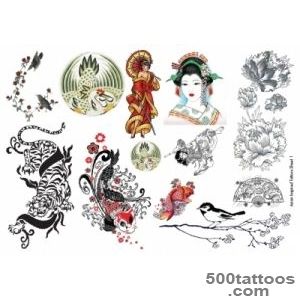
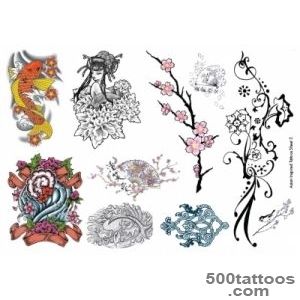
"Asian tattoo" is a very broad label. Asia includes many cultures and visual traditions, so the first step is choosing a specific direction-dragon themes, Chinese calligraphy, South Asian spiritual imagery, Southeast Asian ornamental geometry, or something tied to your own heritage. Being specific makes the tattoo more meaningful and helps you avoid accidental misuse.
Asian Tattoo Isn't One Style
The diversity across Asian cultures means there's no single "Asian tattoo" style. Research your specific interest before committing to a design.
East Asian Styles
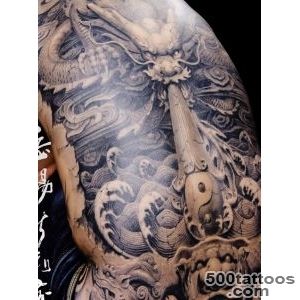
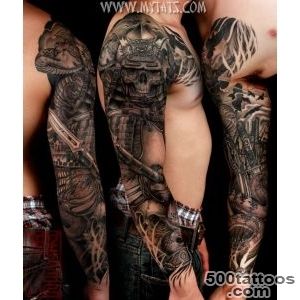
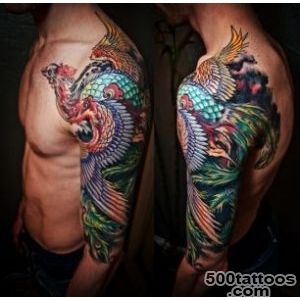
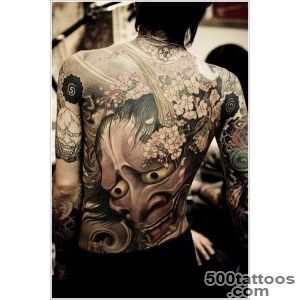
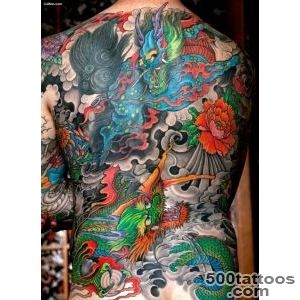
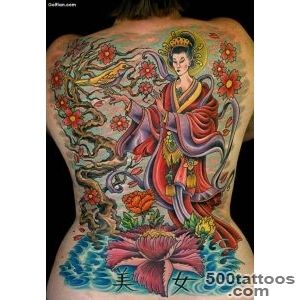
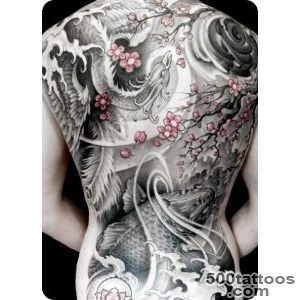
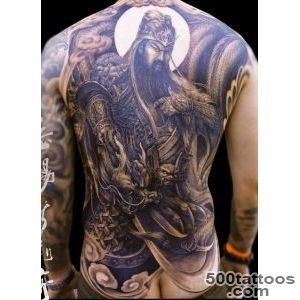
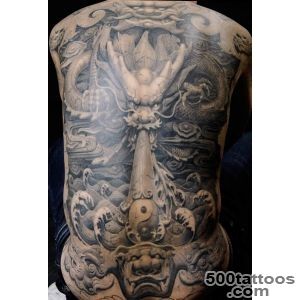
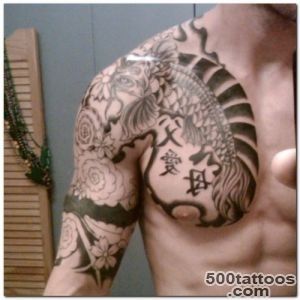
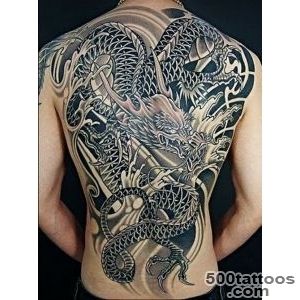
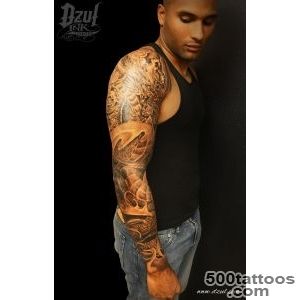
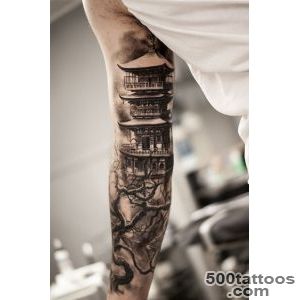
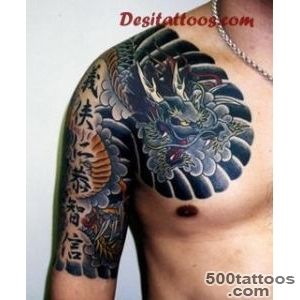
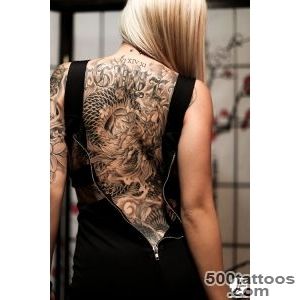
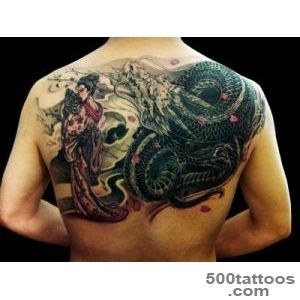
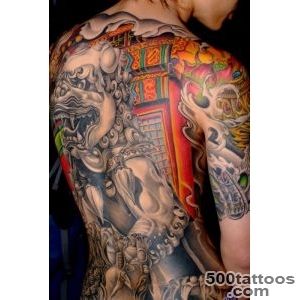
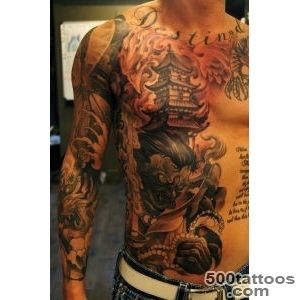
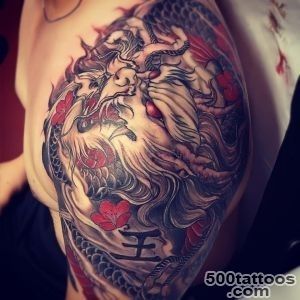
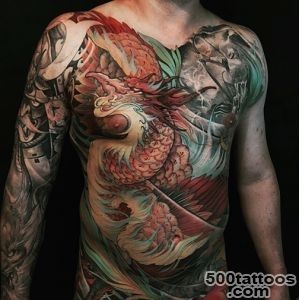
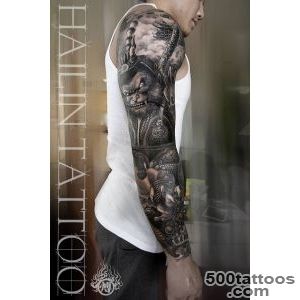
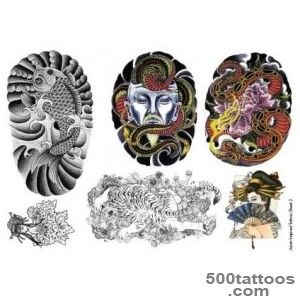
Japanese-inspired tattoos are known for bold composition and flow: sleeves and back pieces that use strong outlines, waves, wind bars, and large central subjects. These designs are about movement and balance, so placement matters-arms, back, chest, and thighs give enough space for the composition to breathe.
South & Southeast Asian Themes
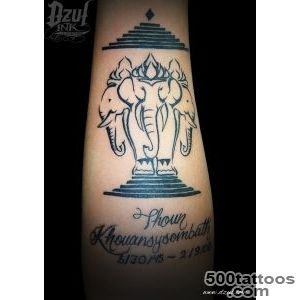
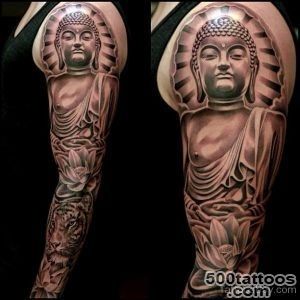
Mantras, yantra-like geometry, and protective motifs come from South and Southeast Asian traditions. These often carry spiritual significance, so respect matters. Learn what symbols mean before using them.
Script & Translation Safety
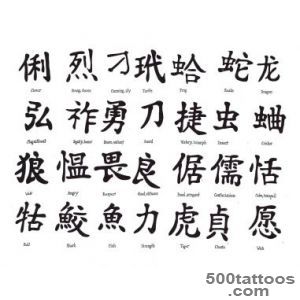
Script tattoos (especially character-based designs) require extra care. Don't rely on "internet translations." Pick a short phrase, verify spelling and meaning with a fluent reader, and decide whether you want a traditional calligraphy feel or a modern clean-letter look. Script choice must be sized for readability; tiny characters often blur into a dark patch over time.
Respectful Design Checklist
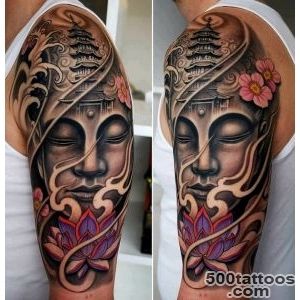
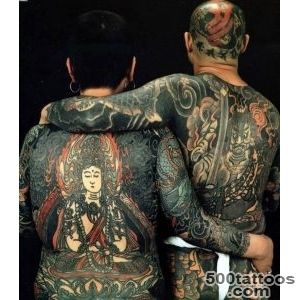
Spiritual or sacred imagery should be treated with respect. Learn what the symbol means, avoid placing sacred figures in locations that can be seen as disrespectful, and don't copy a specific religious design from a photo without context. When in doubt, use inspired-by ornament and keep it personal. A good Asian-themed tattoo is accurate, intentional, and designed with cultural context.
Asian tattoos designs and images