Carp tattoo
Carp and koi tattoo symbolism
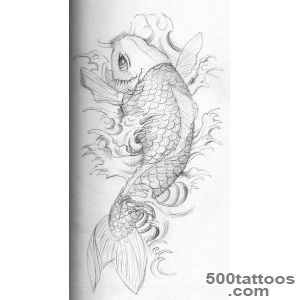
Carp tattoos-especially koi-carry deep meaning rooted in Asian traditions. The koi swimming upstream represents perseverance, determination, and overcoming obstacles. In Japanese culture, koi that climb waterfalls transform into dragons, symbolizing achievement and transformation. Carp tattoos can also represent patience, longevity, and quiet strength beneath the surface.
Direction matters: upstream vs downstream
A koi swimming upward suggests you're still fighting, still climbing, still working toward a goal. A koi swimming downward can mean you've already overcome your struggle or that you've made peace with letting go. Some people interpret downstream koi negatively (giving up), but it can also mean acceptance. Decide what direction matches your story.
Color meanings in koi tattoos
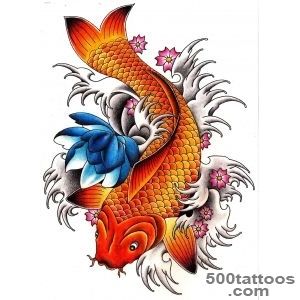
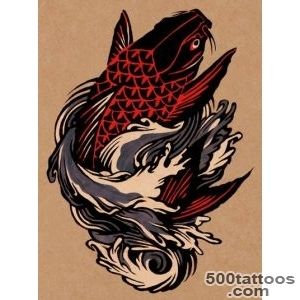
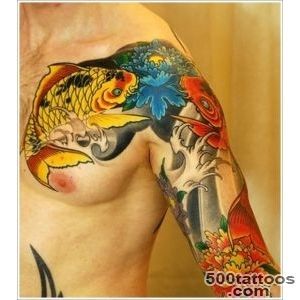
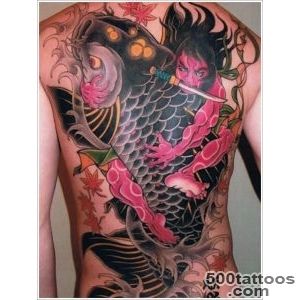
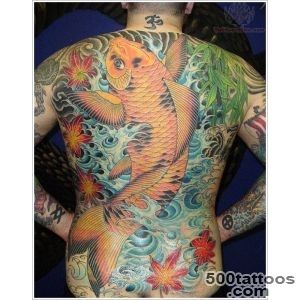
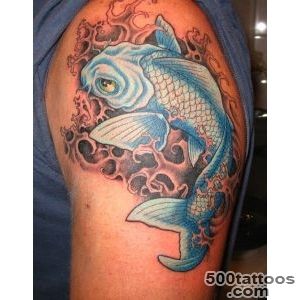
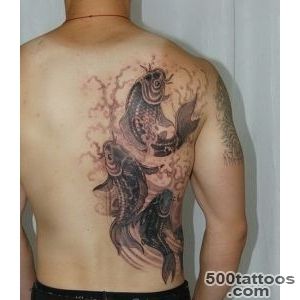
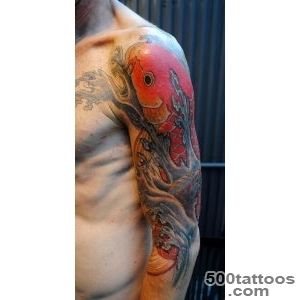
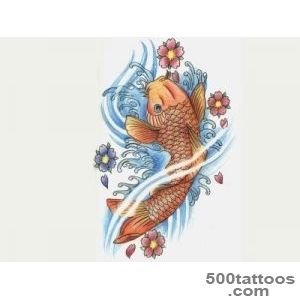
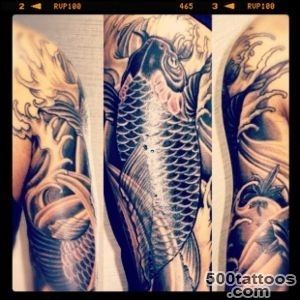
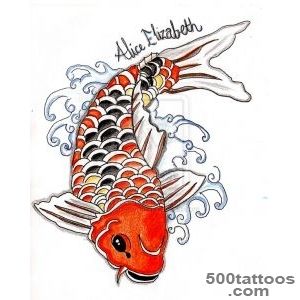
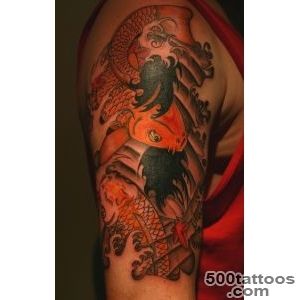
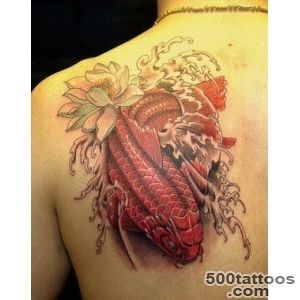
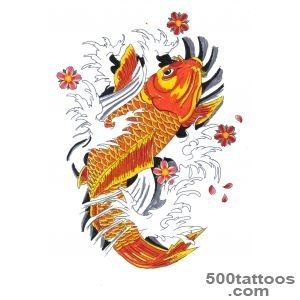
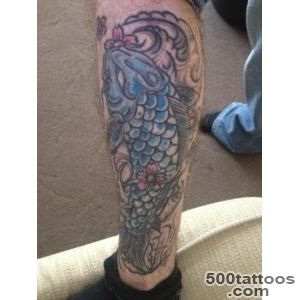
Different koi colors carry traditional associations. Gold or yellow koi represent prosperity and wealth. Red koi symbolize love, relationships, or motherhood. Black koi represent overcoming adversity. Blue koi suggest masculinity and reproduction. Orange koi represent courage. These meanings come from Japanese tradition, but you can choose colors for personal or aesthetic reasons too.
Composition elements
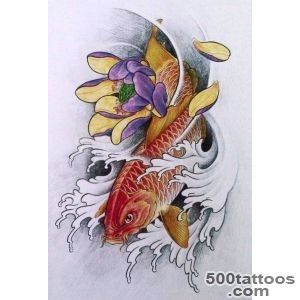
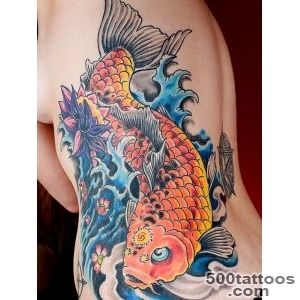
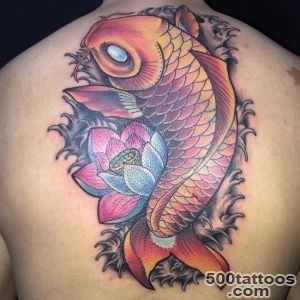
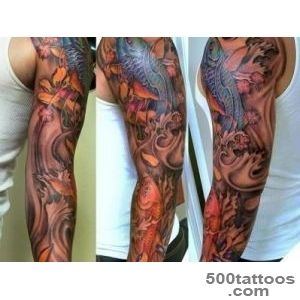
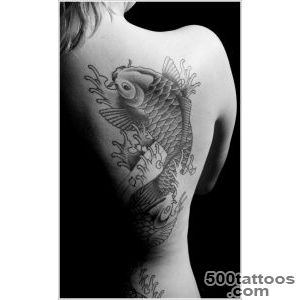
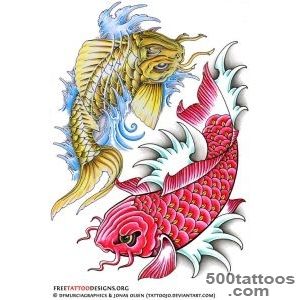
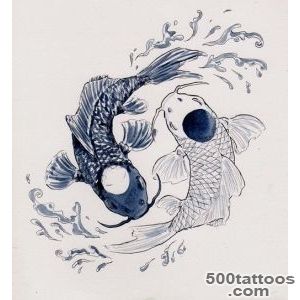
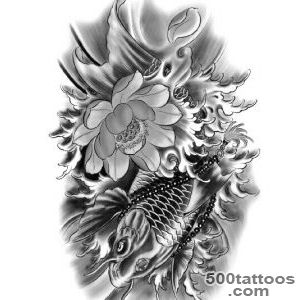
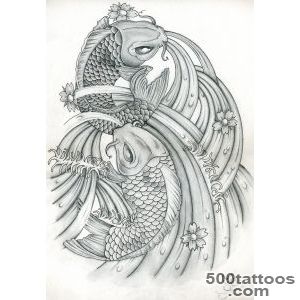
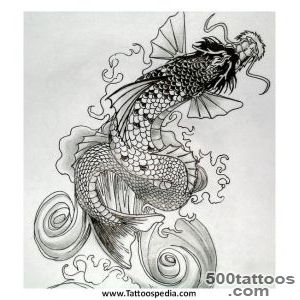
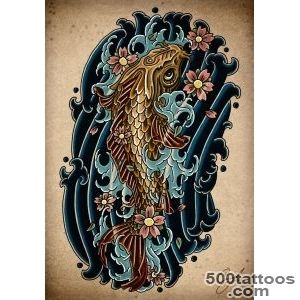
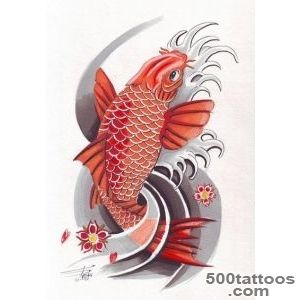
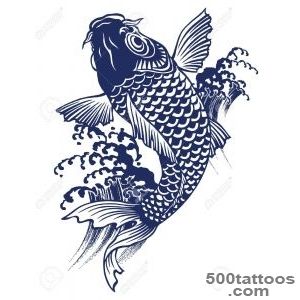
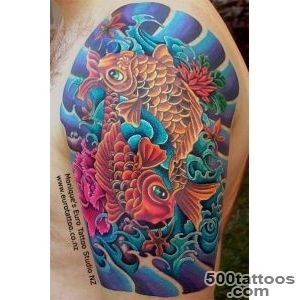
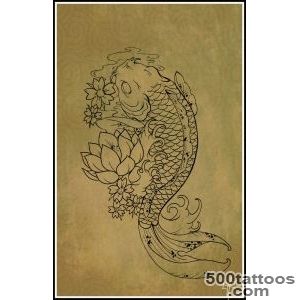
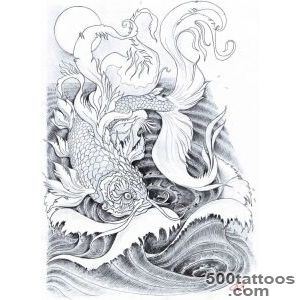
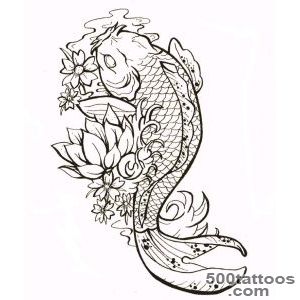
Koi tattoos often include water-waves, splashes, or flowing currents-to show the fish in motion. Cherry blossoms and lotus flowers are traditional pairings that add beauty and additional symbolism (impermanence, purity). Some designs place koi in a yin-yang arrangement with one going up, one down. Dragons can be added to show the transformation legend.
Style approaches
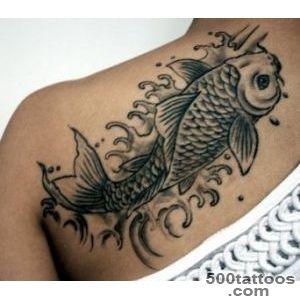
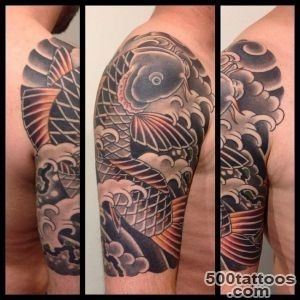
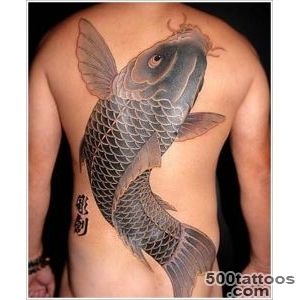
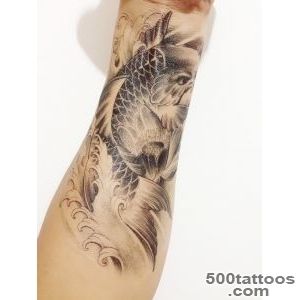
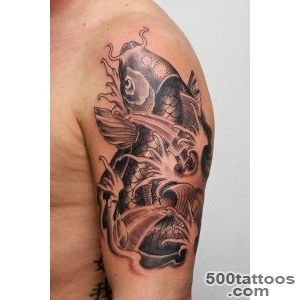
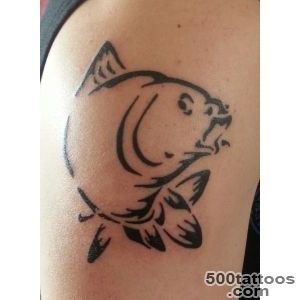
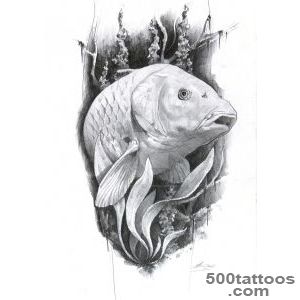
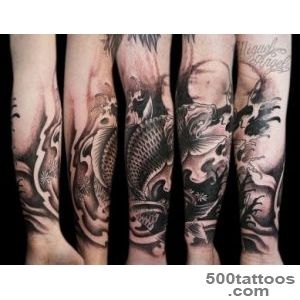
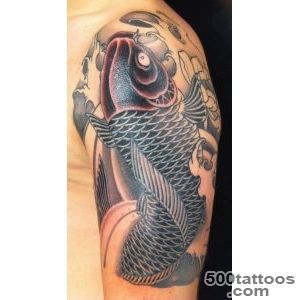
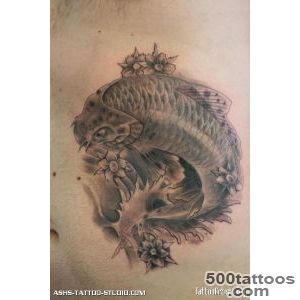
Traditional Japanese (Irezumi) style uses bold outlines, specific color palettes, and formal compositional rules-the most authentic approach for cultural accuracy. Neo-traditional loosens those rules while keeping bold impact. Realistic koi capture scales and water reflections. Watercolor style adds flowing color splashes. Black-and-gray versions work beautifully and age well.
Placement for the koi body shape
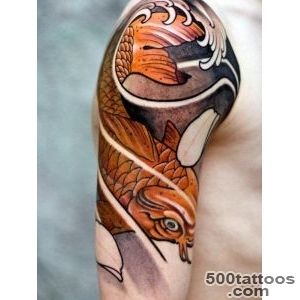
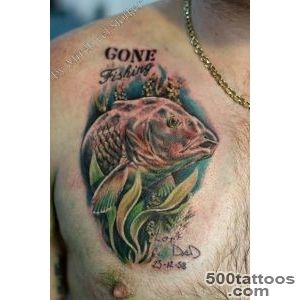
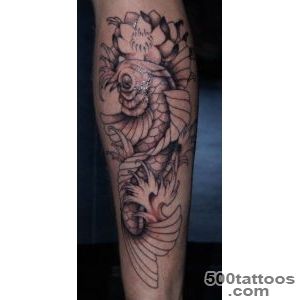
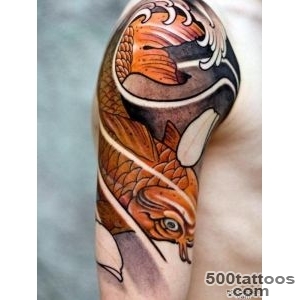
Koi are long, curved fish that suit flowing placements. Forearm, calf, thigh, and full back are classic locations. The fish can follow the limb's natural shape or curve around it. Half-sleeves and full sleeves often incorporate koi as central elements. Chest panels work for single-fish designs with water flowing toward the shoulder.
Carp tattoo designs and images