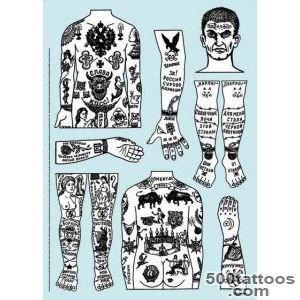
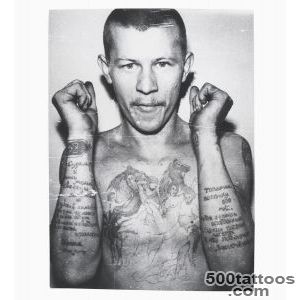
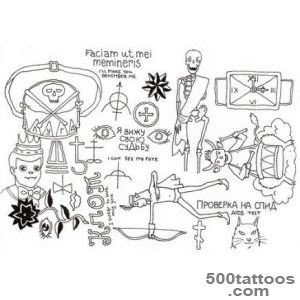
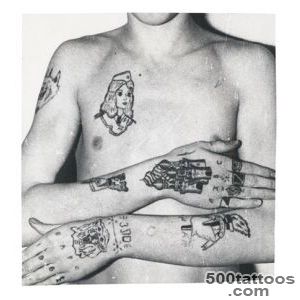
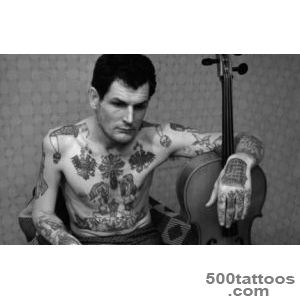
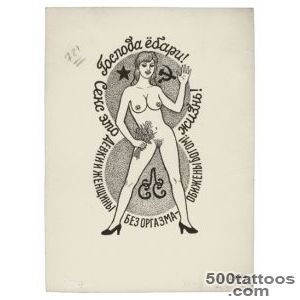
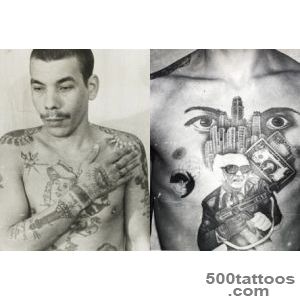
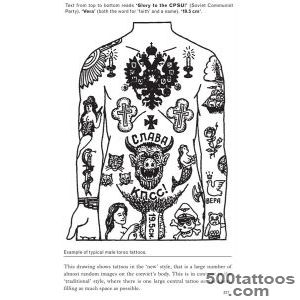
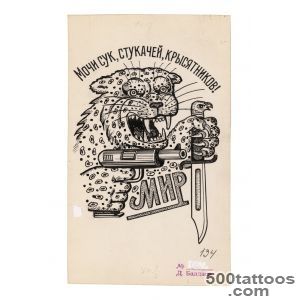
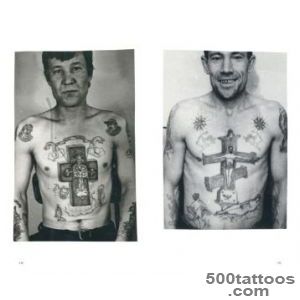
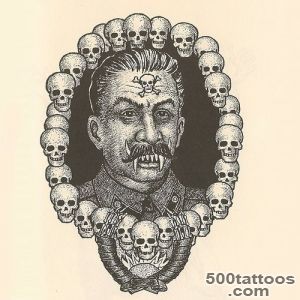
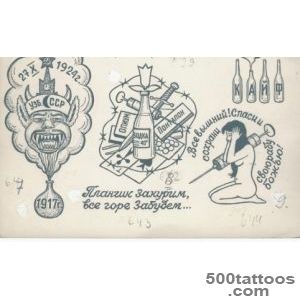
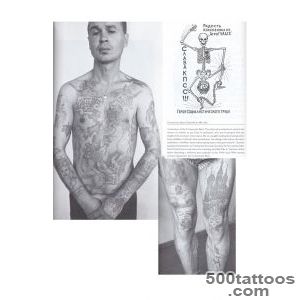
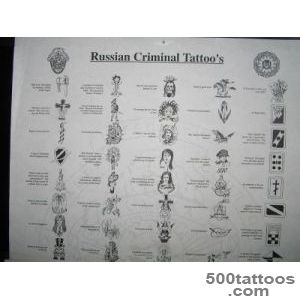
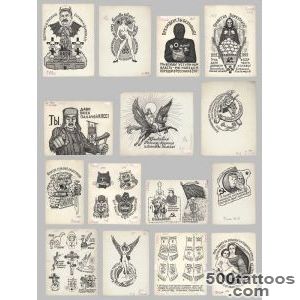
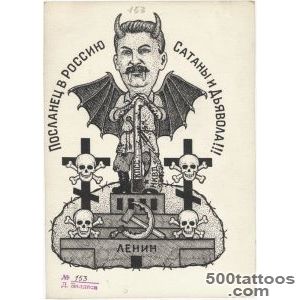
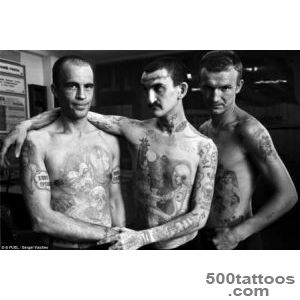
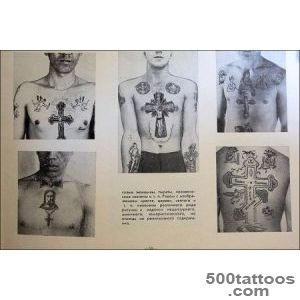
Criminal tattoos
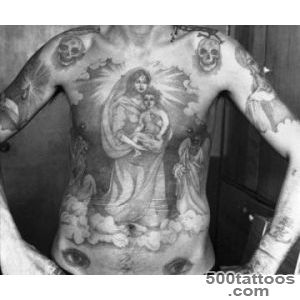
Criminal tattoo context
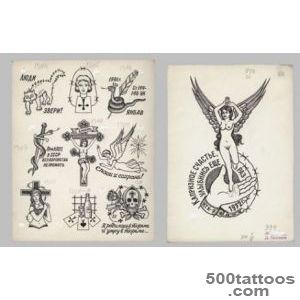
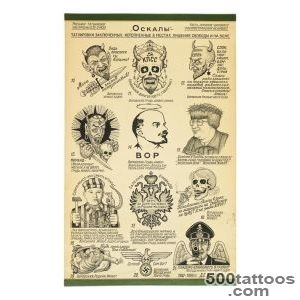
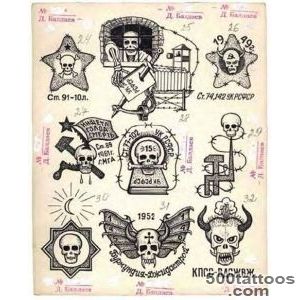
Criminal tattoos can carry complicated stories about identity, survival, and choices, but they are also symbols that outsiders may interpret quickly and unfairly. If you are drawn to this theme, it helps to focus on personal meaning rather than copying real-world markings that could be misunderstood. Prison tattoo systems vary by country and era, so what reads one way in Russia may mean something different elsewhere.
Common symbols and their associations
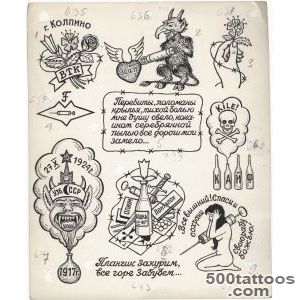
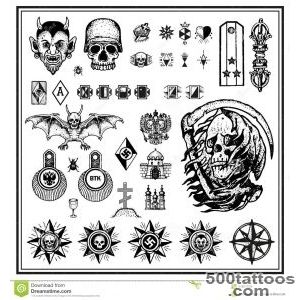
Teardrops, spider webs, five-point crowns, and certain number combinations have specific associations in various prison and gang contexts. Before getting any of these, research thoroughly to understand what you might be signaling. Some designs that look purely aesthetic carry heavy baggage in certain communities.
Design approaches for the aesthetic
Blackwork creates a bold, graphic look that feels emblematic, while fine-line styles can keep the idea more subtle and illustrative. Watercolor can shift the mood away from harshness, and realism is best for carefully shaded imagery that reads as art rather than a literal sign. Underworld themes can be explored through film and fiction references rather than real-world markings.
Placement and visibility considerations
The upper arm or shoulder can keep the design more private, while the forearm makes it visible and therefore more open to interpretation; the wrist is the most exposed and works best for minimal symbols. Placement choice matters here because visibility changes how people react. Face and hand tattoos carry the strongest associations and the most social consequences.
Healing and aftercare
Choose a size that keeps details readable, be mindful that the wrist often hurts more than the upper arm, and follow aftercare closely so dark areas heal smoothly and the design does not look muddy. Black ink typically heals well when properly cared for.
Criminal tattoos designs and images