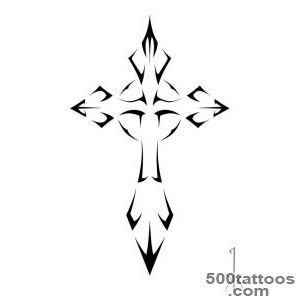
Cross tattoo
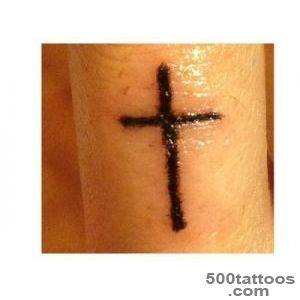
Cross tattoo meaning
A cross tattoo is often chosen for faith, sacrifice, and protection, carrying meaning that can be spiritual, cultural, or deeply personal. For many, it is a reminder of guidance and resilience, worn close as a quiet statement rather than a trend. The cross appears across religious tattoo traditions worldwide, making it one of the most recognized symbols in body art.
Popular cross tattoo styles
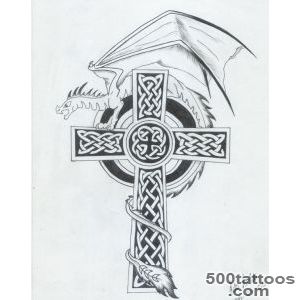
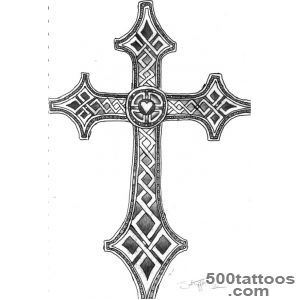
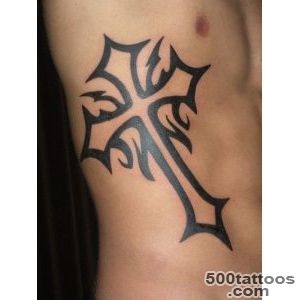
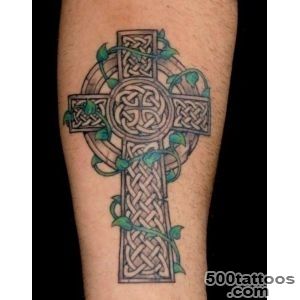
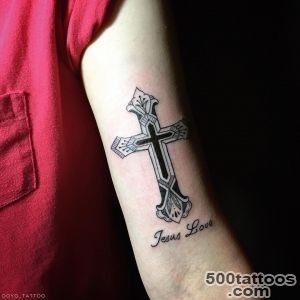
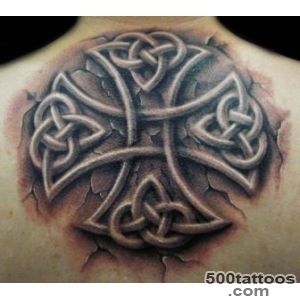
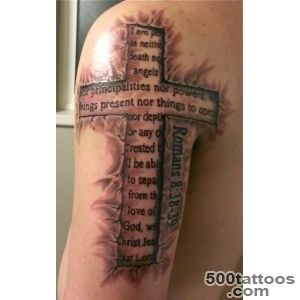
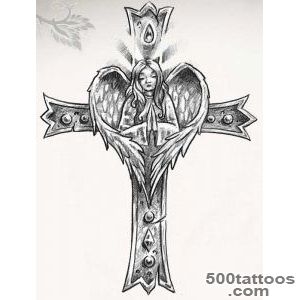
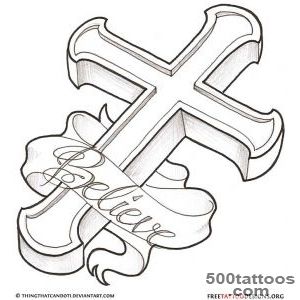
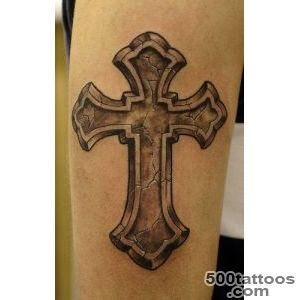
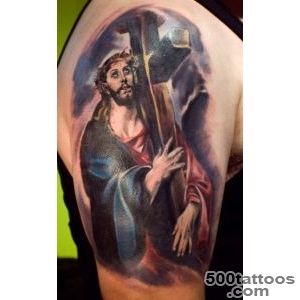
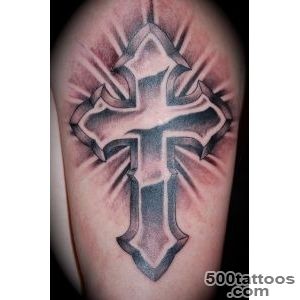
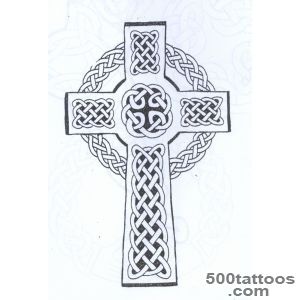
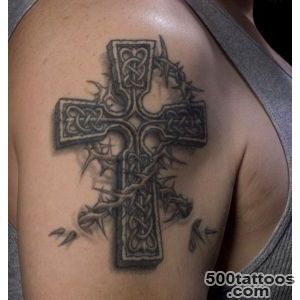
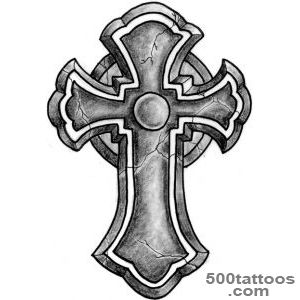
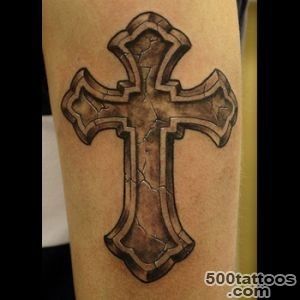
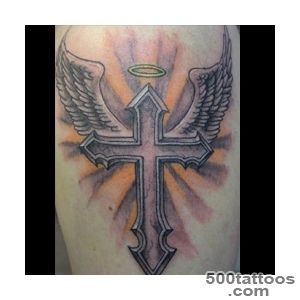
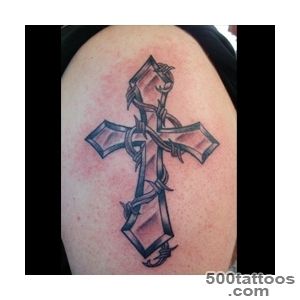
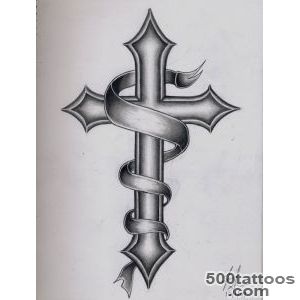
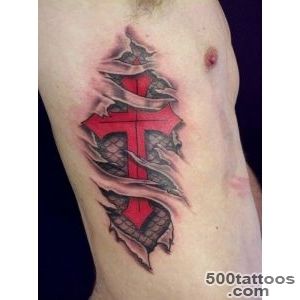
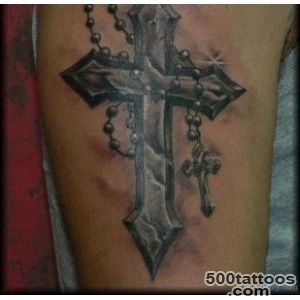
Blackwork crosses look timeless with strong contrast, while fine-line versions feel minimal and modern. Watercolor can add a soft halo or background wash, and realism can create wood, stone, or metal texture that gives the cross a grounded, dimensional look. Celtic knot crosses add heritage and intricacy, while Gothic crosses lean darker with ornate details.
Cross design variations
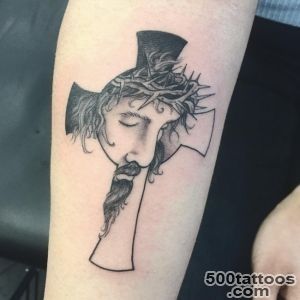
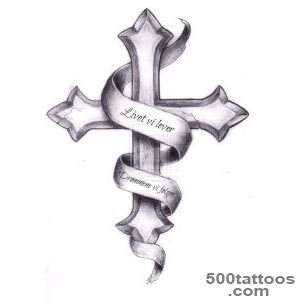
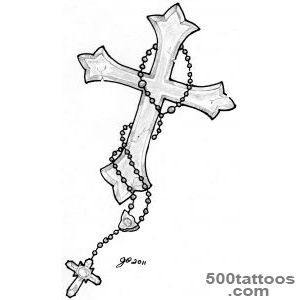
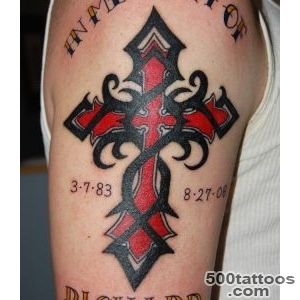
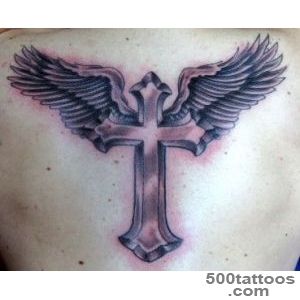
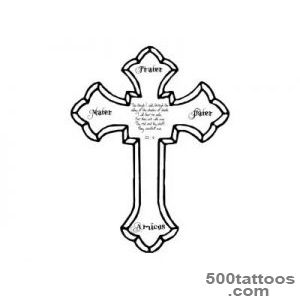
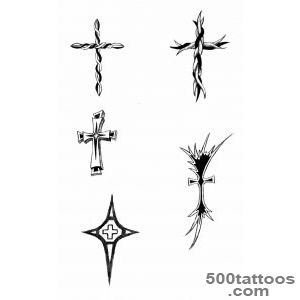
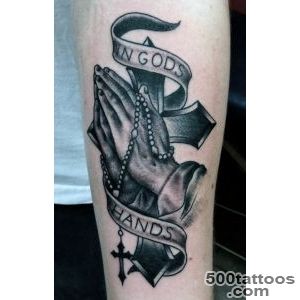
The Latin cross is the most common, but variations like the Celtic cross (with its distinctive ring), the Orthodox cross (with additional crossbars), and the Maltese cross (with flared arms) each carry different cultural weight. Some people combine crosses with roses, wings, or memorial elements like dates and names. A crucifix specifically shows Christ on the cross and carries stronger religious connotation.
Placement and sizing considerations
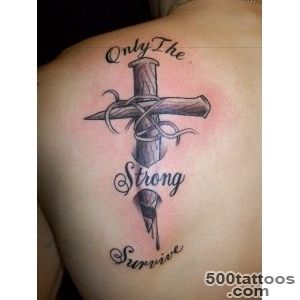
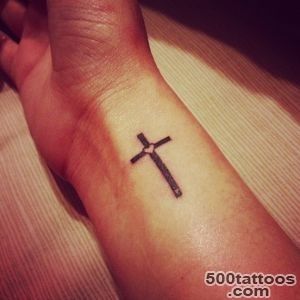
The wrist and forearm are popular placements when you want the symbol visible in daily life, while the upper arm or shoulder keeps it more private and allows for larger detail. The chest, directly over the heart, adds symbolic meaning for those who view the cross as protection. Consider how the design aligns with clothing and how often you want it in view.
What to expect during and after
Choose a size that keeps straight lines clean, expect more tenderness around the wrist and ribs, and keep aftercare consistent so the edges heal sharp and the symbol stays clear over time. Simple crosses heal faster than detailed versions with shading or color fill.
Cross tattoo designs and images