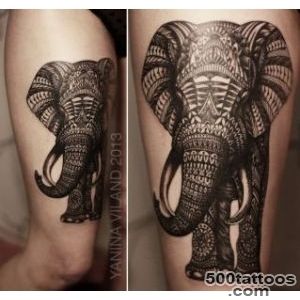
Ethnic tattoos
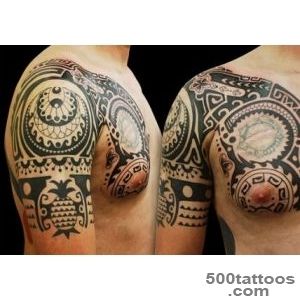
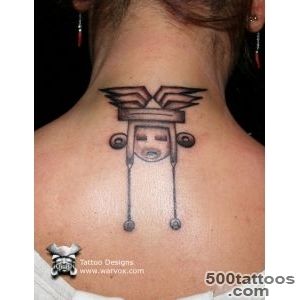
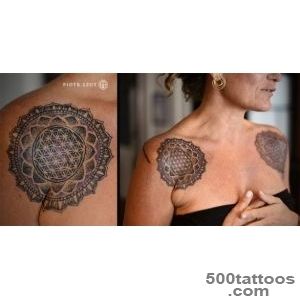
Ethnic tattoos draw from tribal, indigenous, and cultural traditions around the world. These designs often feature bold patterns, symbolic motifs, and techniques passed down through generations. Approaching them with respect and understanding makes the difference between appreciation and appropriation.
What are ethnic tattoos?
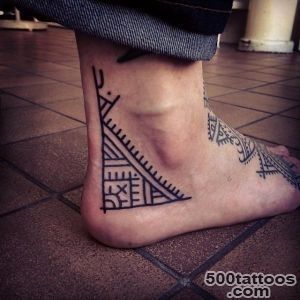
The term covers a wide range: spiral patterns (Maori, Samoan, Hawaiian), Celtic, African tribal, Native American, Southeast Asian (Sak Yant, Dayak), and more. Each tradition has its own symbols, placement rules, and cultural meanings. Consider leg tattoos for this design. Some are sacred; others are more decorative. Research the specific tradition before committing to a design.
Common ethnic tattoo styles
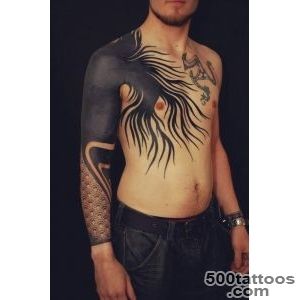
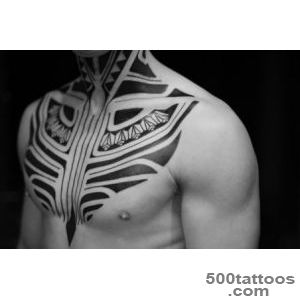
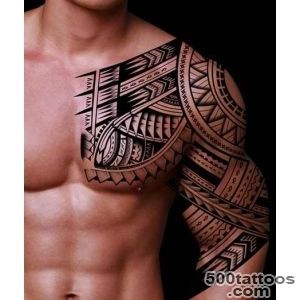
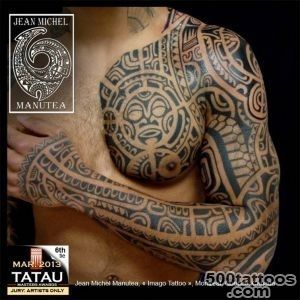
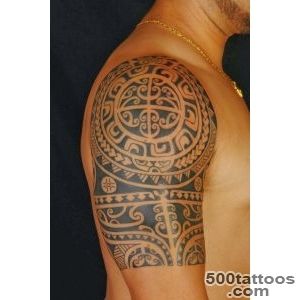
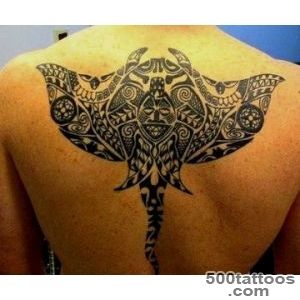
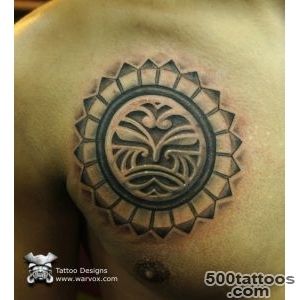
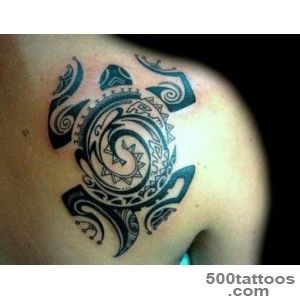
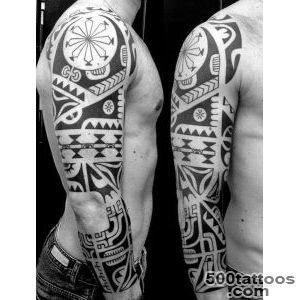
Polynesian tattoos use bold black patterns with geometric shapes, waves, and animal motifs. Celtic designs feature knotwork, spirals, and crosses. African tribal work often includes scarification-inspired patterns and symbolic animals. Sak Yant (Thai) tattoos combine script and imagery with spiritual protection meanings. symbolic elements tā moko tells a person's genealogy and is deeply personal.
Cultural respect and appropriation concerns
Some ethnic tattoo traditions are open to outsiders; others are considered sacred and should only be worn by members of that culture. If you're not Māori, a "Māori-inspired" design (kirituhi) is more appropriate than copying actual tā moko. Always research and, when possible, consult with artists from that culture.
Finding the right artist
Look for artists who specialize in the tradition you're interested in-ideally someone from that cultural background or trained in the traditional methods. They can guide you toward designs that are appropriate and meaningful rather than generic or disrespectful.
Personalizing ethnic designs
Many ethnic tattoo traditions allow for personal symbols within the pattern structure. Work with your artist to incorporate elements that tell your story-family, achievements, values-while respecting the design language of the tradition.
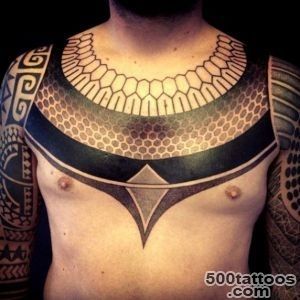
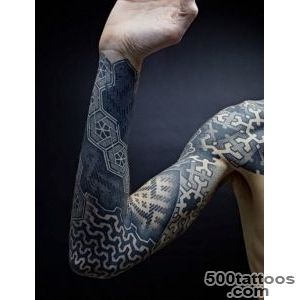
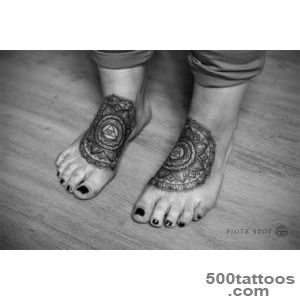
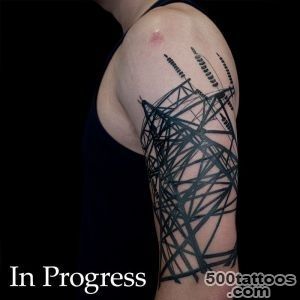
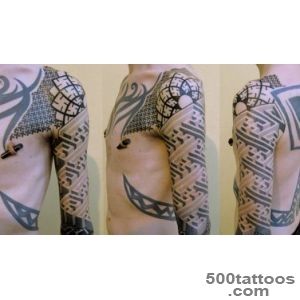
Ethnic tattoos designs and images