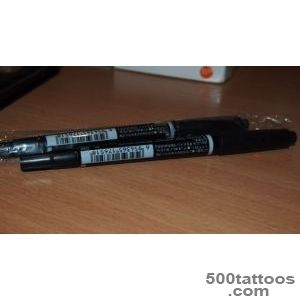
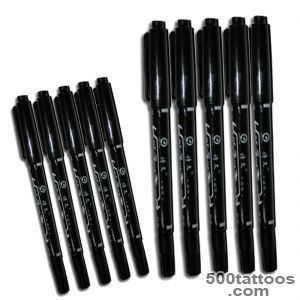
Marker tattoo
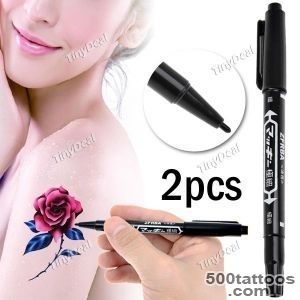
Temporary marker designs offer a low-commitment way to explore body art before making a permanent decision. Whether you are testing a concept, enjoying a creative afternoon, or simply not ready for a needle, markers provide a practical and accessible alternative that can look surprisingly convincing.
Types of Markers and Their Differences
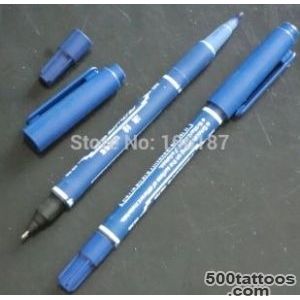
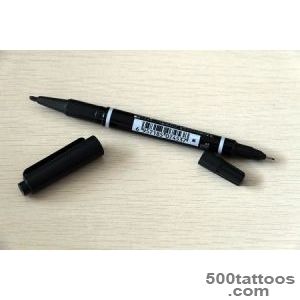
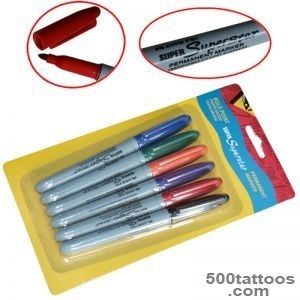
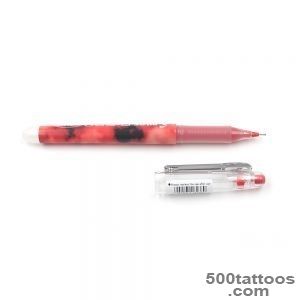
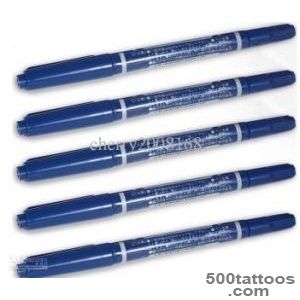
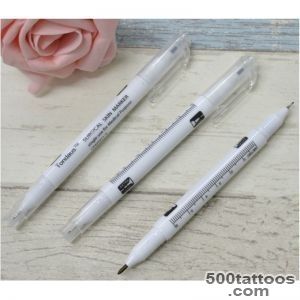
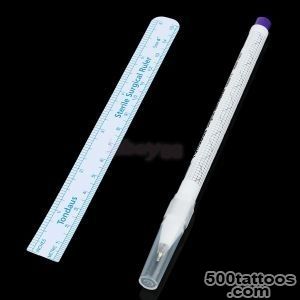
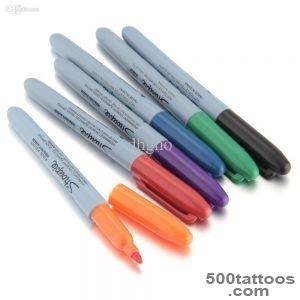
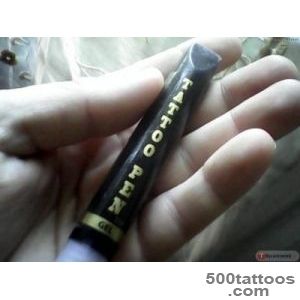
Standard permanent markers like Sharpies produce bold lines but contain chemicals not designed for prolonged skin contact, so they work for a quick experiment but are not ideal for repeated use. Surgical skin markers, used by medical professionals, are sterile and skin-safe but wash off relatively quickly. Specialized body art markers are formulated to last several days without irritation and come in a range of tip sizes from fine-point to brush. UV-reactive markers glow under blacklight, making them popular for nightclub and festival settings.
Testing a Design Before the Real Thing
One of the most practical uses is previewing a permanent concept in the exact location, size, and orientation you are considering. Living with a marker version for a few days reveals how the design interacts with your body's movement, how visible it is in different clothing, and whether you still feel excited about it after the initial novelty fades. Many experienced collectors recommend this step before any major piece.
DIY Techniques for Better Results
Clean and dry the skin thoroughly before drawing to improve adhesion. Sketch lightly first, then build up darker lines once you are confident in the placement. Setting the finished design with translucent powder or a light coat of hairspray can extend its lifespan. For stencil-like precision, print your design on temporary transfer paper and apply it to the skin before tracing with a marker.
Longevity, Removal, and Safety
Most marker designs last between two days and two weeks depending on the product, placement, and how often the area is washed or rubbed. Removal is usually as simple as scrubbing with soap or rubbing alcohol. Avoid using industrial solvents on skin. If you have sensitive skin or allergies, test a small patch first and choose markers explicitly labeled as dermatologically tested.
Marker tattoo designs and images