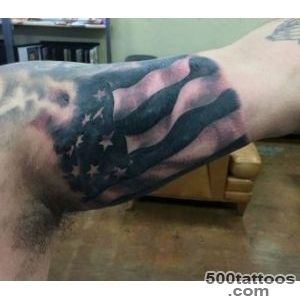
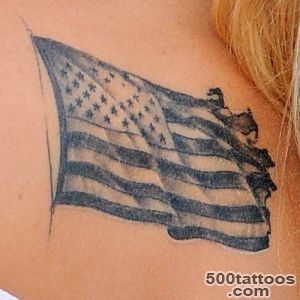
Flag tattoo
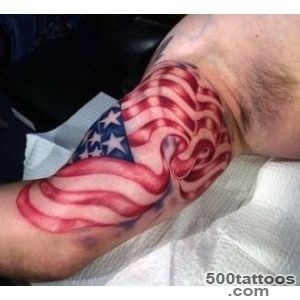
What a flag tattoo can represent
For a placement-led design, bracelets can spark ideas. A flag tattoo usually works best when it stands for something specific in your life: where you come from, what you support, a place you lived, a team you follow, or a value you want to carry with you. Before choosing a design, decide whether you want a clear, recognizable flag or a more personal interpretation that only you understand.
How to keep the design readable
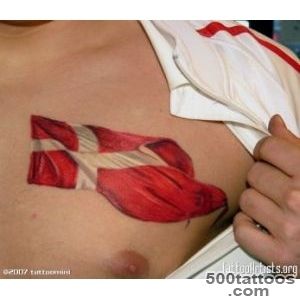
Flags are built from shapes, spacing, and contrast. If the tattoo is small, simplify the details: focus on the core elements and avoid tiny text or micro-symbols that can blur. Clean linework and strong negative space often age better than extremely fine patterns packed together.
Color vs blackwork
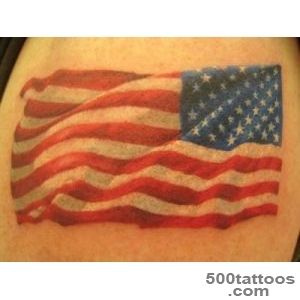
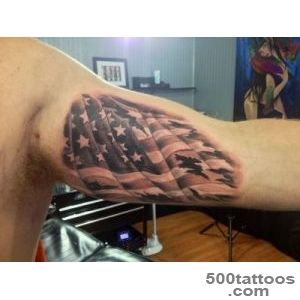
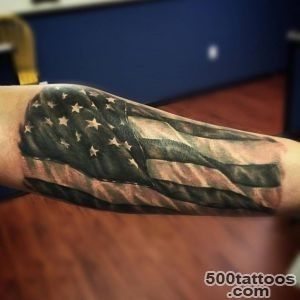
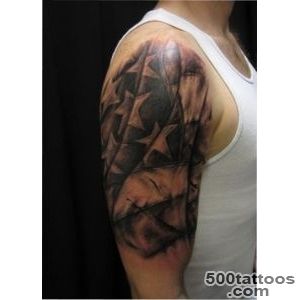
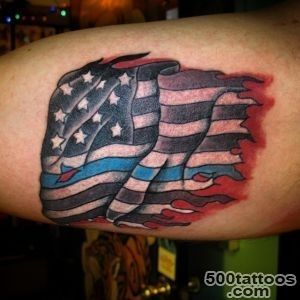
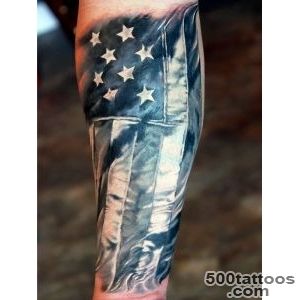
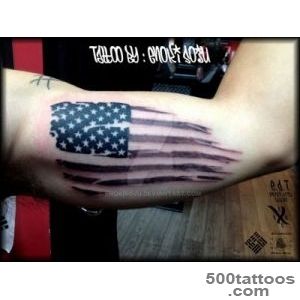
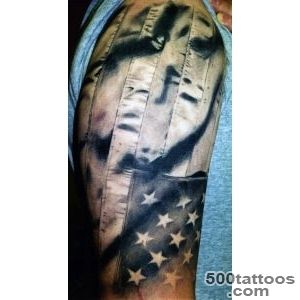
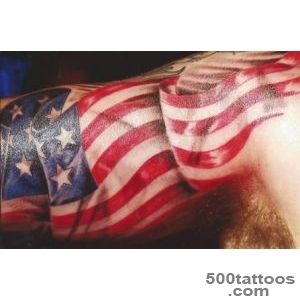
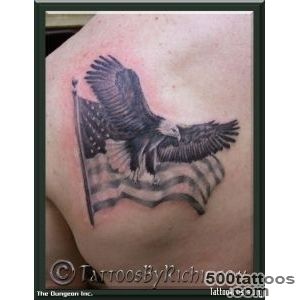
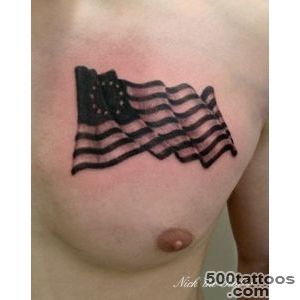
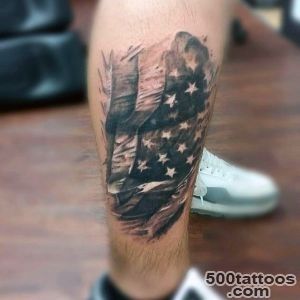
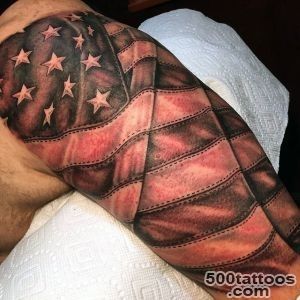
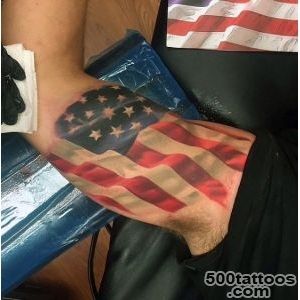
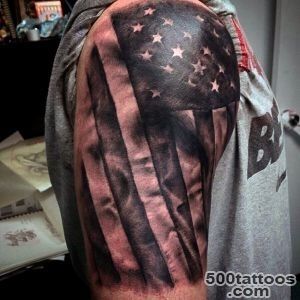
Color flags can look bold, but they also demand careful contrast and a plan for aging. If you prefer a more timeless look, consider black-and-grey shading, a traditional palette, or a single-color silhouette. The best choice is the one that stays legible from a few steps away.
Placement and size planning
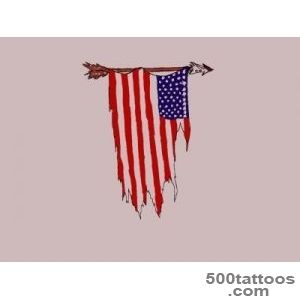
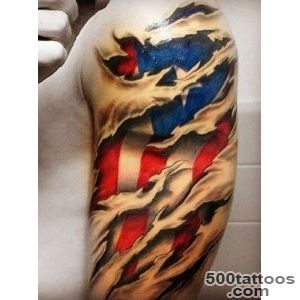
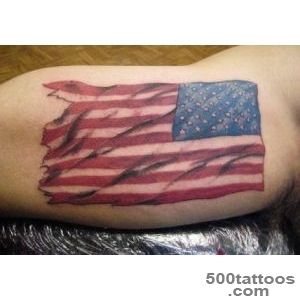
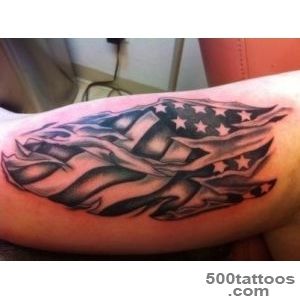
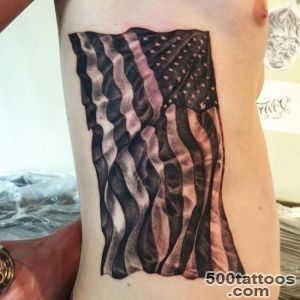
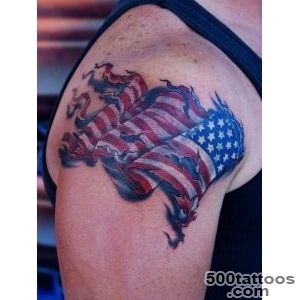
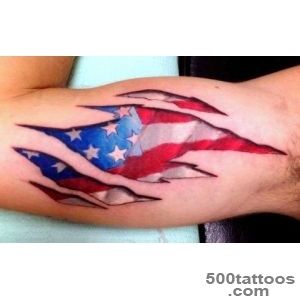
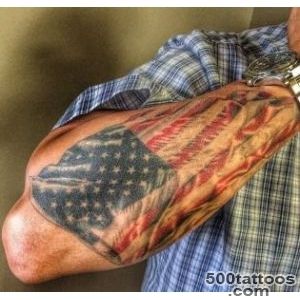
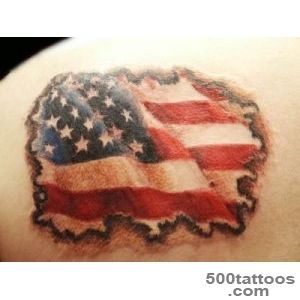
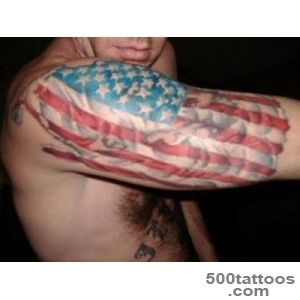
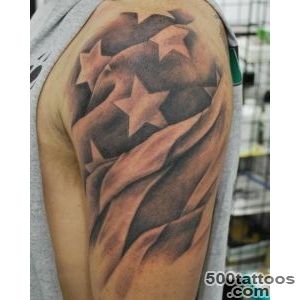
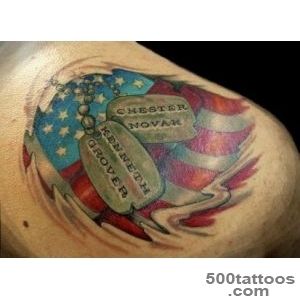
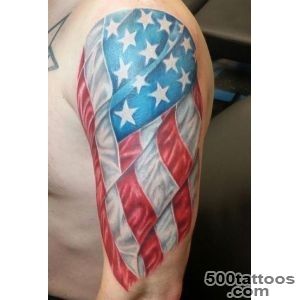
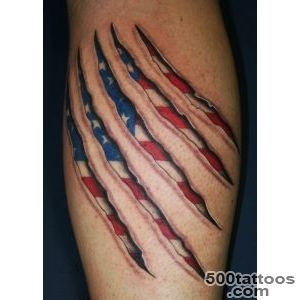
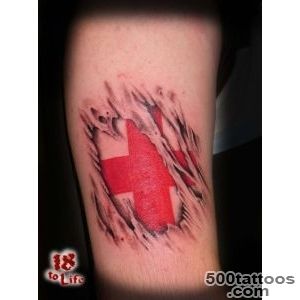
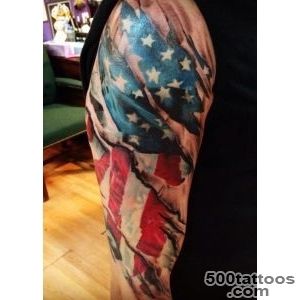
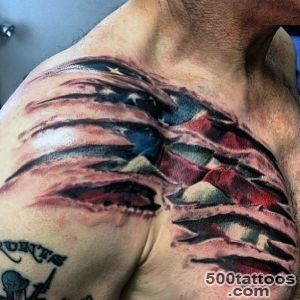
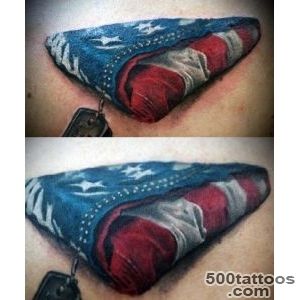
Placement changes how a flag reads. Flat areas (outer forearm, upper arm, calf, back) make alignment easier, while highly curved areas can distort stripes and emblems. If you want folds, motion, or a ripped edge effect, give the design enough space so the artist can show depth without turning it into noise.
Popular combinations
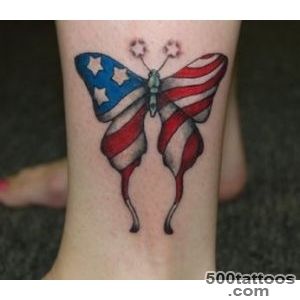
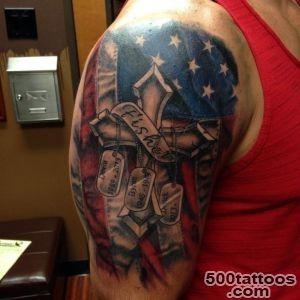
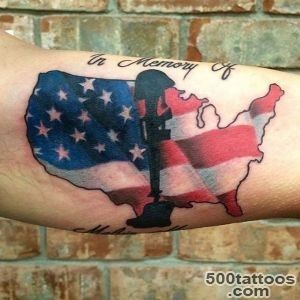
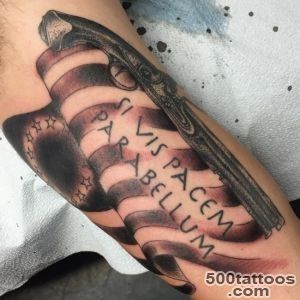
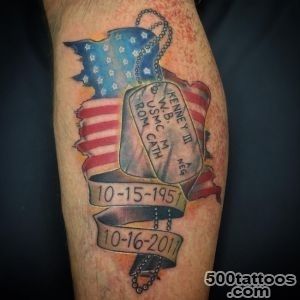
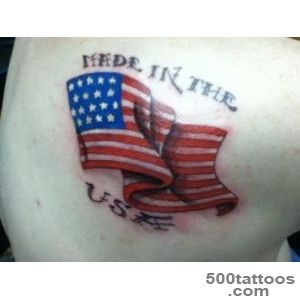
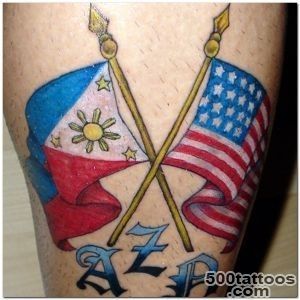
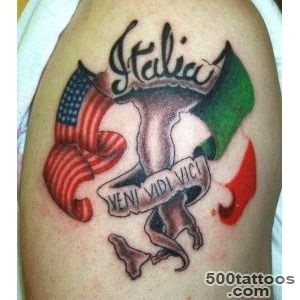
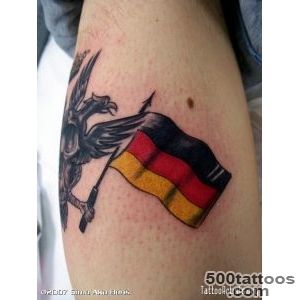
Flag tattoos are often paired with dates, names, short mottos, flowers, flames, or a banner. Keep one "main message" and make everything else supporting detail. A simple composition with one strong focal point usually looks cleaner than trying to include every symbol at the same size. Consider how the flag will read from a distance: strong contrast, limited text, and one clear focal point help the design stay recognizable as the tattoo ages.
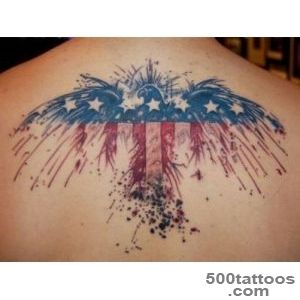
Flag tattoo designs and images