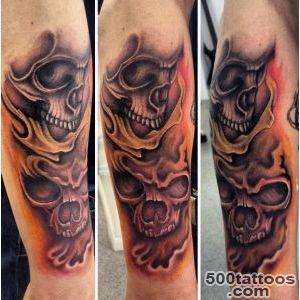
Flame tattoos
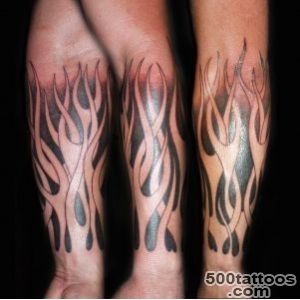
Flame styles and patterns
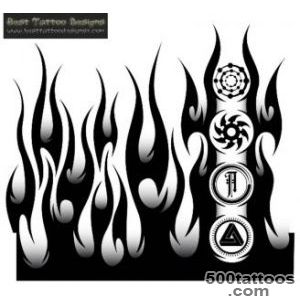
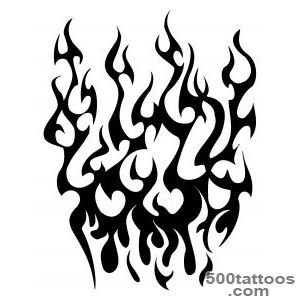
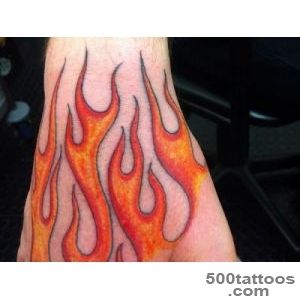
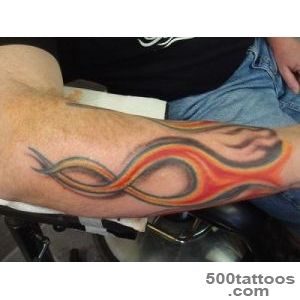
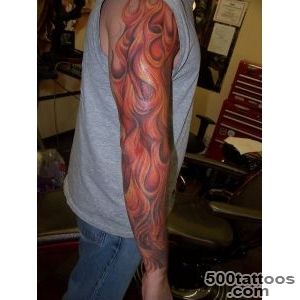
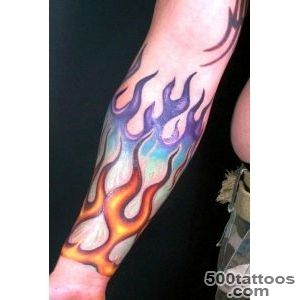
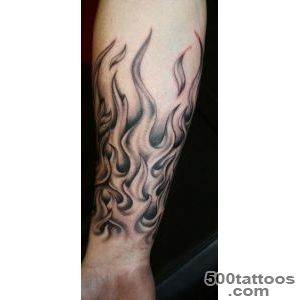
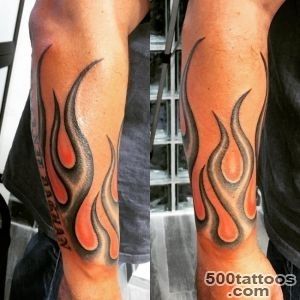
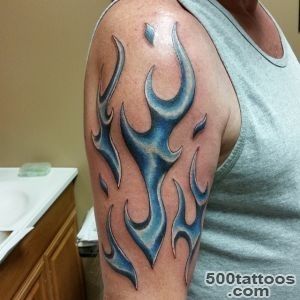
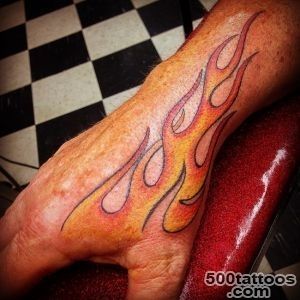
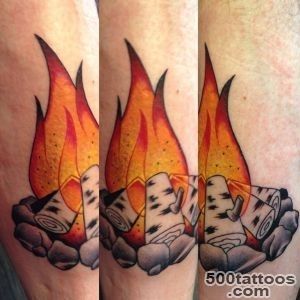
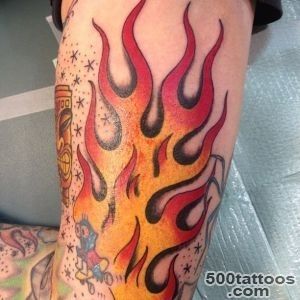
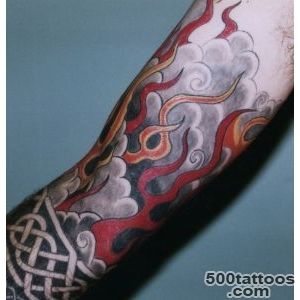
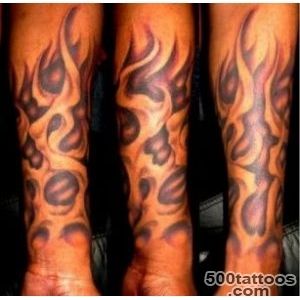
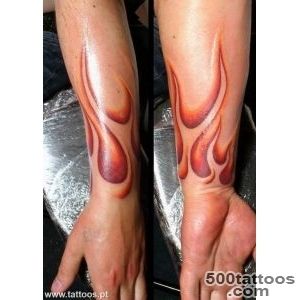
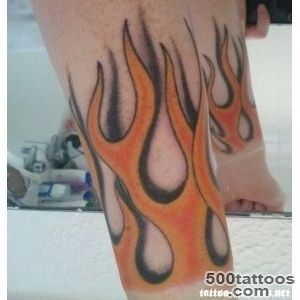
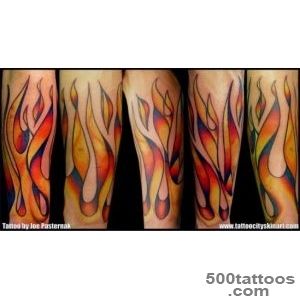
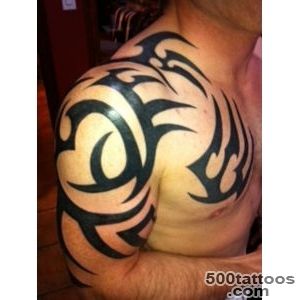
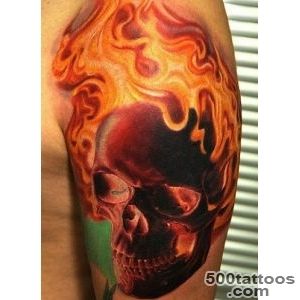
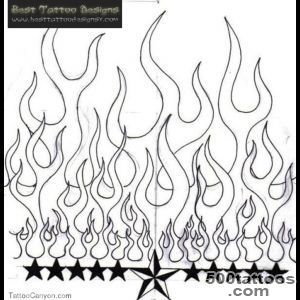
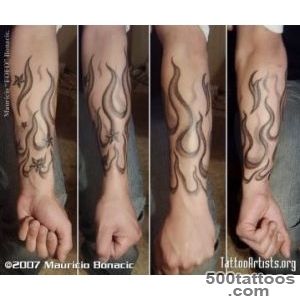
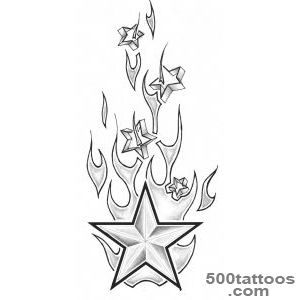
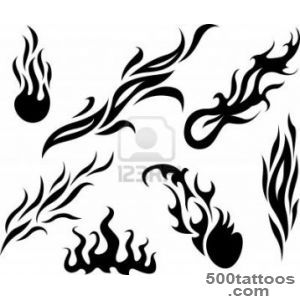
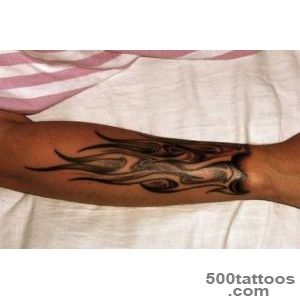
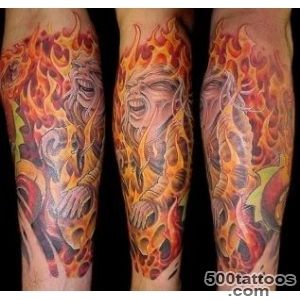
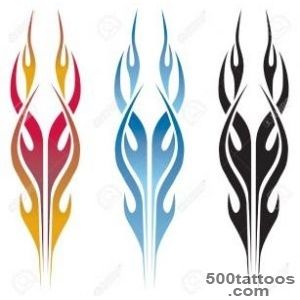
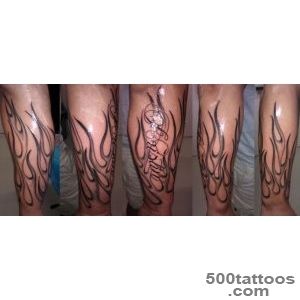
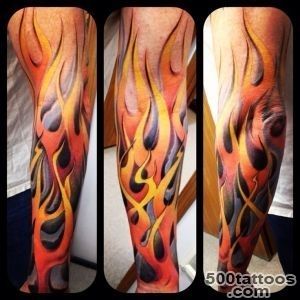
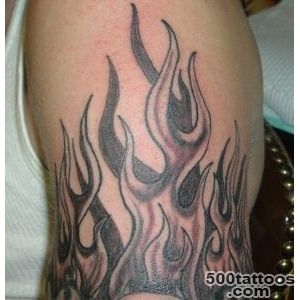
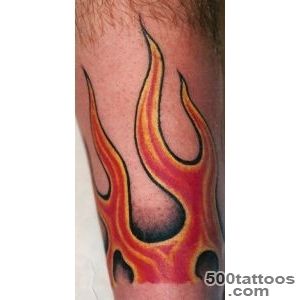
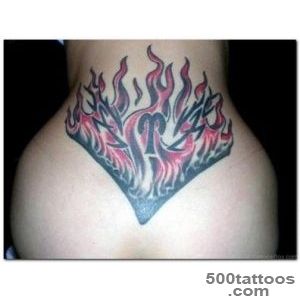
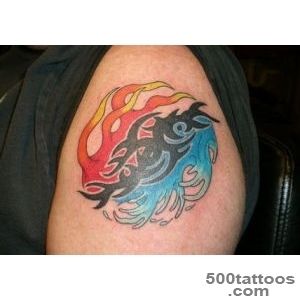
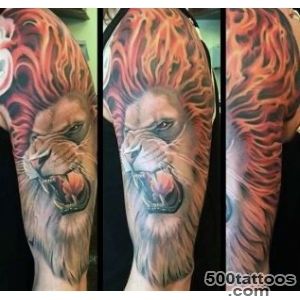
If you like bold energy and color, psychedelic styles are another option. Classic flames use traditional tattoo shapes-bold, curving tongues of fire with clear outlines. Tribal flames are stylized into sharp, abstract patterns. Realistic flames capture light, depth, and heat through careful shading. Abstract flames reduce the concept to motion lines and color fields.
Flames as main subject vs accent
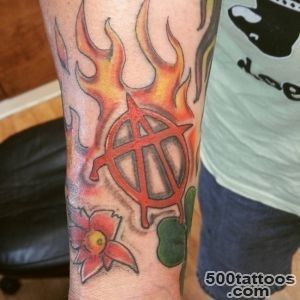
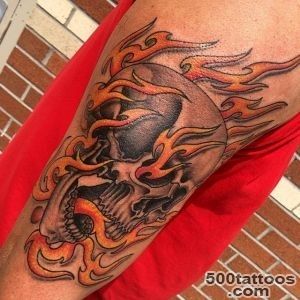
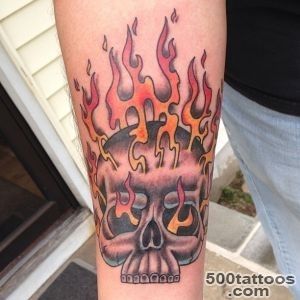
Flames can be the entire tattoo or support another element. As a main subject, flames fill the composition. As accents, flames add energy to skulls, vehicles, hearts, or text without taking over. Decide the role before designing.
Placement and "flow" direction
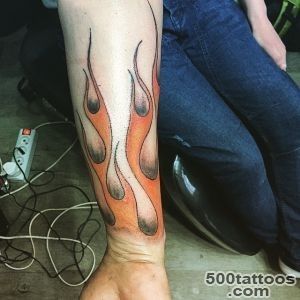
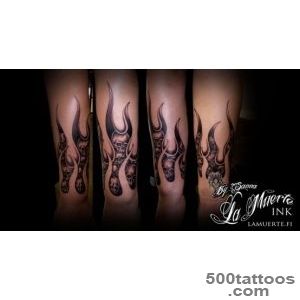
Flames look best rising upward-climbing the arm, the side, the leg. Horizontal flames suggest spreading. Wrapping flames encircle limbs. Consider how your body's orientation affects the flame's perceived direction.
Contrast and line weight
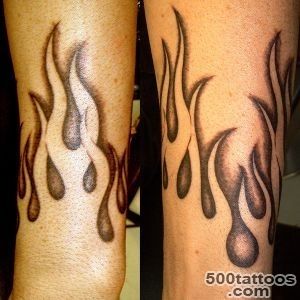
Flames rely on contrast between light (core) and dark (edges). Bold outlines keep flame shapes clear as the tattoo ages. Overly fine flame details can merge over time. Keep shapes simple enough to maintain definition across decades.
Common pairings
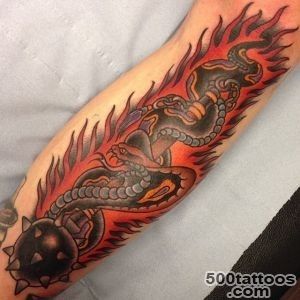
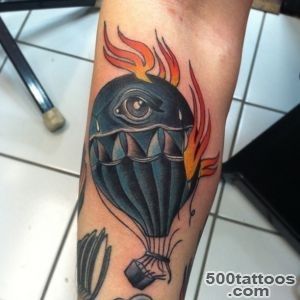
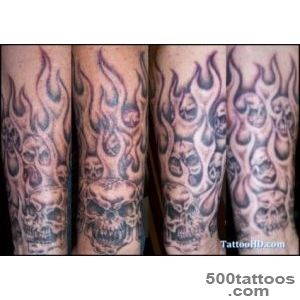
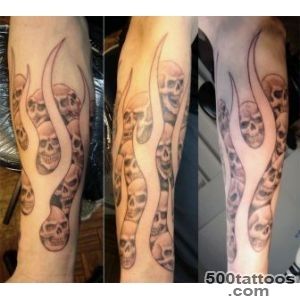
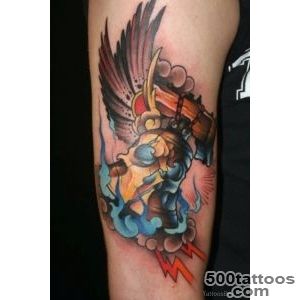
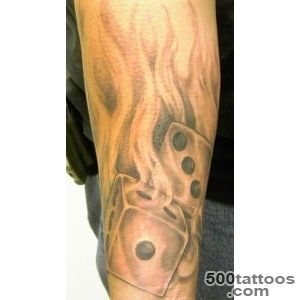
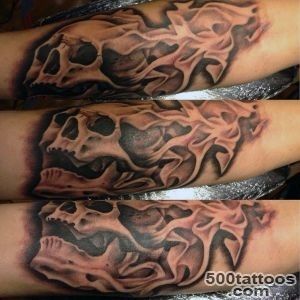
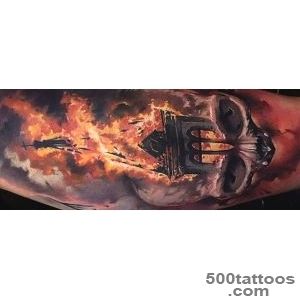
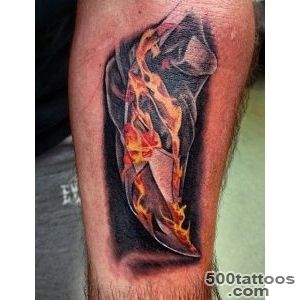
Flames combine with skulls, hearts, vehicles, text, tribal patterns, and weapons. Flaming dice, flaming cards, and flaming banners are classic motifs. Keep one focal point and let flames support without overwhelming the main subject.
Flame tattoos designs and images