Health tattoo
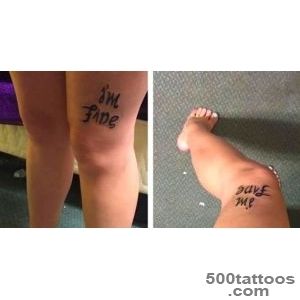
Health tattoos serve a unique dual purpose: they can share medically critical information with first responders, and they can mark personal milestones in a recovery or wellness journey.
Unlike most tattoo subjects, a health tattoo may need to be legible to strangers in an emergency, which makes clarity and placement non-negotiable design factors.
Whether the goal is functional or symbolic, the best health tattoos balance visual appeal with the practical reality of being read quickly and accurately.
Medical alert tattoos and what they communicate
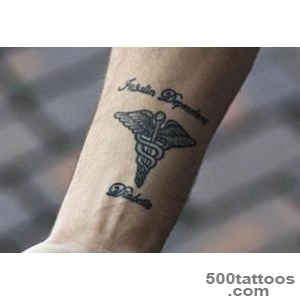
The most common medical alert tattoos list conditions like diabetes, epilepsy, severe allergies, or blood-clotting disorders that affect emergency treatment.
Some include a blood type, an allergy to specific medications, or a do-not-resuscitate instruction.
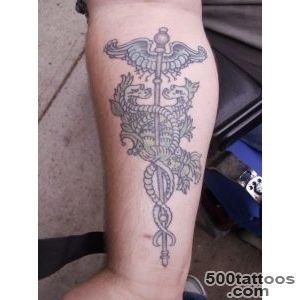
The medical alert symbol, a staff with a snake and a star of life, is widely recognized and helps draw attention to the text beneath it.
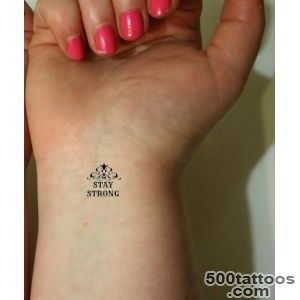
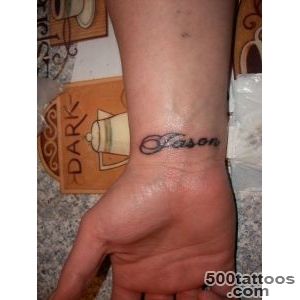
Because first responders are trained to look for medical ID bracelets on wrists, that area is the most logical placement for alert tattoos.
Keep the font clean and sans-serif, with enough contrast against your skin tone that the words can be read under harsh lighting.
Are medical tattoos officially recognized?
Most emergency medical systems do not formally accept tattoos as legal medical directives, but studies show that many paramedics do notice and consider them.
A tattoo should supplement, not replace, a traditional medical ID bracelet or card.
Having both a physical ID and a tattoo provides redundancy in case one is lost or hidden by clothing.
If your condition is life-threatening, discuss the wording with your doctor so the phrasing matches standard medical terminology.
Symbolic wellness and recovery tattoos
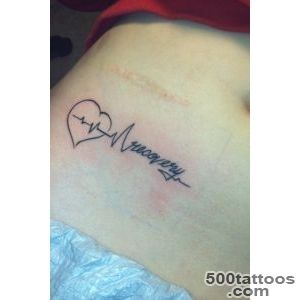
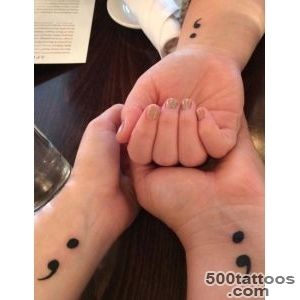
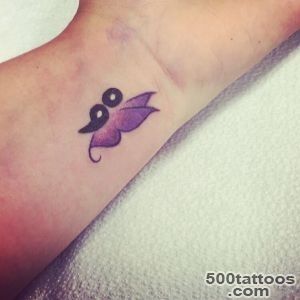
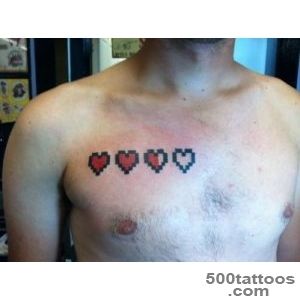
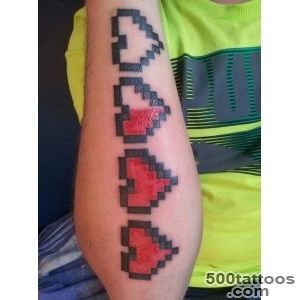
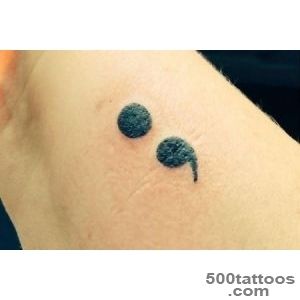
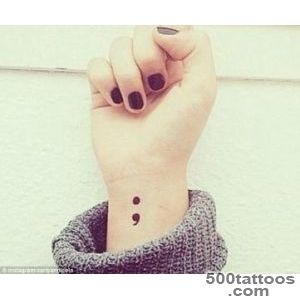
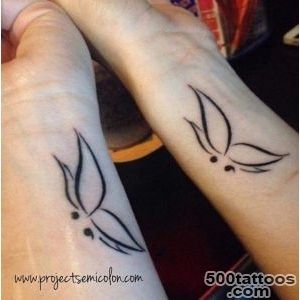
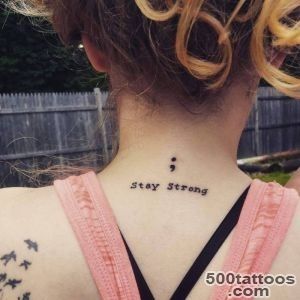
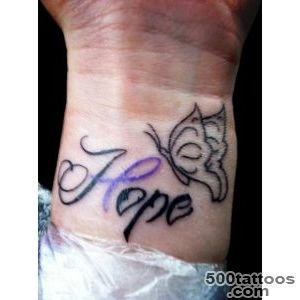
Semicolons, awareness ribbons, and heartbeat lines are popular choices for people who have survived mental health crises, cancer, or chronic illness.
A date marking the start of sobriety, a transplant, or a diagnosis anniversary turns the tattoo into a personal milestone.
Some people use abstract imagery, like a cracked vessel mended with gold, to represent the Japanese concept of kintsugi applied to their own healing.
These designs work best when the symbolism is specific enough to mean something to you but clear enough that others can sense the intent.
Designing for visibility and durability
If the tattoo needs to be read by medical staff, use block letters at least eight millimeters tall and keep the message under ten words.
For symbolic pieces, choose a style that matches your aesthetic without sacrificing readability of any text included.
Bold linework and high contrast hold up better on skin that may scar, stretch, or change over time due to medical treatment.
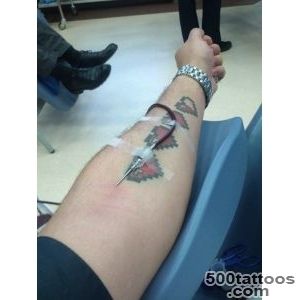
Discuss any upcoming medical procedures with your artist, because surgery sites, radiation zones, or frequent blood-draw areas may not be ideal placement choices.
Aftercare and skin considerations
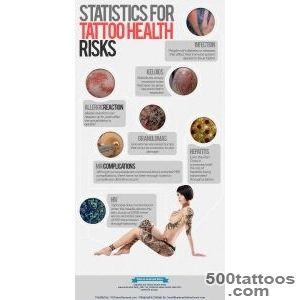
If you have a condition that affects healing, such as diabetes or an autoimmune disorder, consult your doctor before scheduling a tattoo session.
Compromised immune systems increase infection risk, so choosing a studio with strict sterilization protocols is even more important.
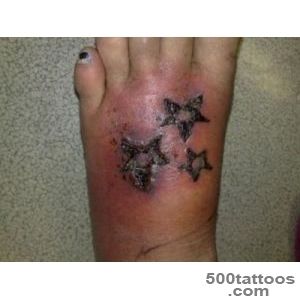
Follow aftercare instructions precisely, and report any unusual swelling, discoloration, or warmth to both your artist and your physician.
A healthy tattoo on healthy skin should heal within two to three weeks, but medical conditions can extend that timeline.
Health tattoo designs and images