Afghan tattoo
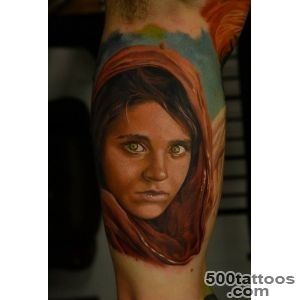
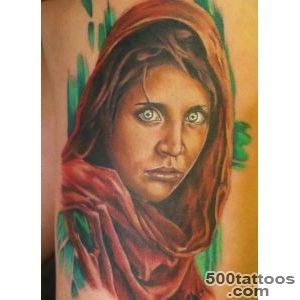
An "Afghan tattoo" can mean different things depending on the person wearing it. For some, it's about cultural symbols and family roots. For others, it's tied to travel, friendships, or a life chapter connected to Afghanistan. It can also be a memorial design-focused on a date, a place, or someone remembered-rather than a general statement about the country.
What Afghan Tattoo Can Mean
Heritage, travel, memory, military connection, and identity are all valid reasons for choosing this theme. The meaning is personal and should reflect your own connection to the region or its culture.
Motifs People Use
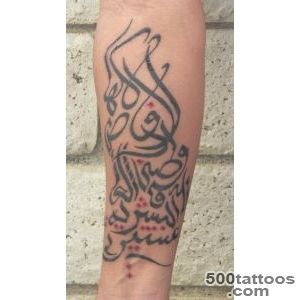
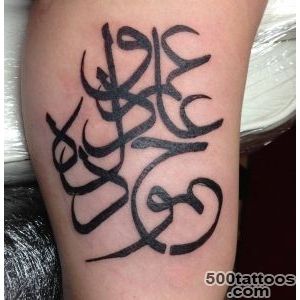
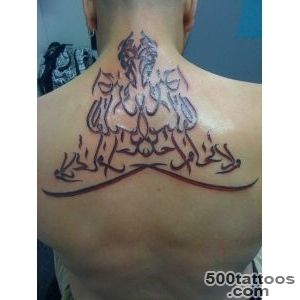
When building the design, start with the intent. Heritage tattoos often work best when they reference something specific: a family name, a hometown, a meaningful phrase in a verified language form, or a pattern inspired by textiles and ornament (used thoughtfully, not copied blindly). Travel or memory pieces can include a simple outline map, coordinates, or a small symbol that only you understand. Arabic calligraphy is a popular choice for script elements.
Script & Language Safety
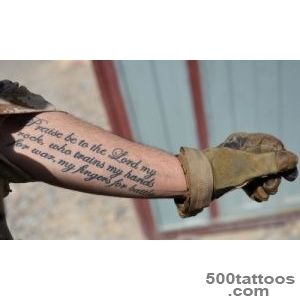
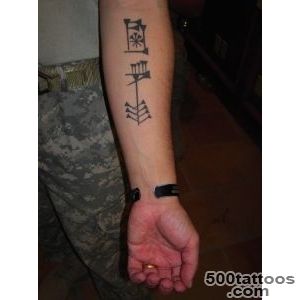
If you want lettering, accuracy matters more than style. Choose a short phrase you truly stand behind, have the spelling and meaning checked by a fluent speaker, and test readability at tattoo size. Script looks best on areas with enough length: forearm, upper arm, ribs, or along the collarbone line. See also lettering tattoos. Font choice significantly affects readability.
Memorial & Service Designs
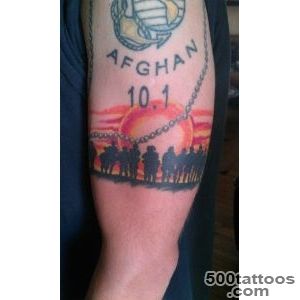
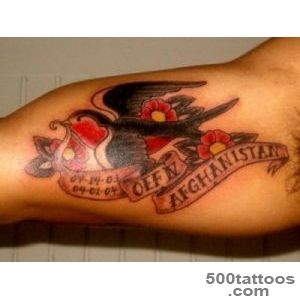
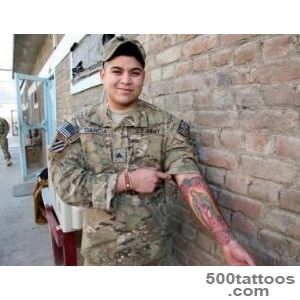
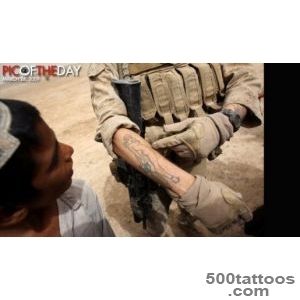
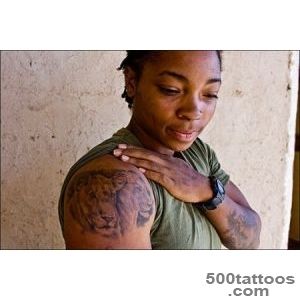
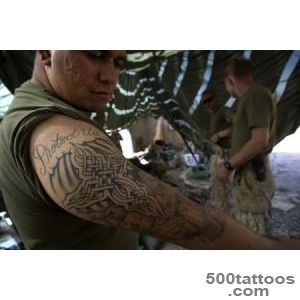
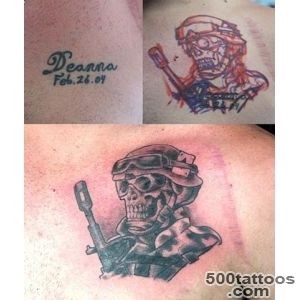
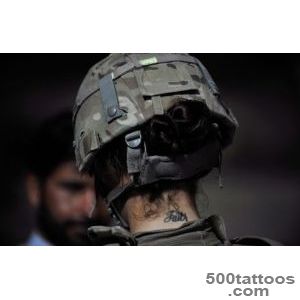
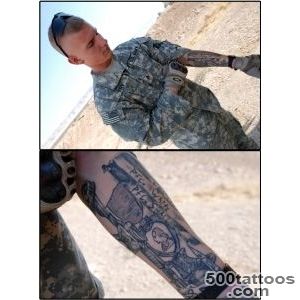
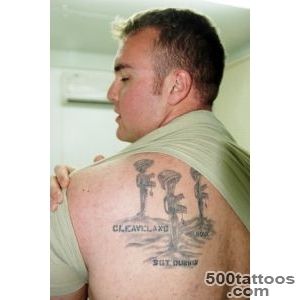
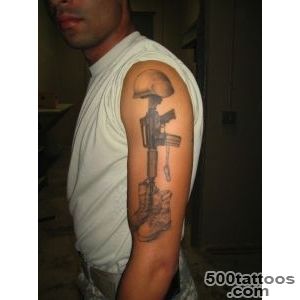
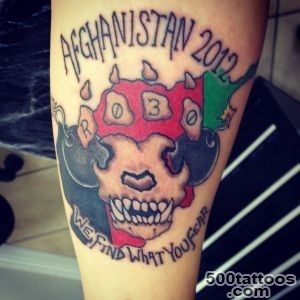
Some Afghan-related tattoos come from military or memorial intent. In that case, keep the composition respectful: focus on dates, units (if applicable), coordinates, dog tags, or a minimal emblem rather than aggressive imagery. Similar approaches work for army tattoos.
Respect & Research
Afghanistan is culturally diverse, so avoid stereotypes and "one symbol fits all" claims. The most meaningful Afghan tattoo is the one that is accurate, personal, and designed with context in mind.
Afghan tattoo designs and images