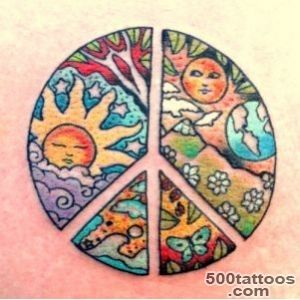
Hippie tattoo
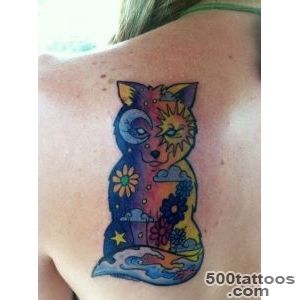
Hippie tattoos draw from the counterculture movement of the 1960s and 1970s, where peace, love, music, and personal freedom were not just slogans but a way of life.
The visual language of that era, tie-dye swirls, peace signs, psychedelic lettering, VW vans, and wildflowers, translates naturally into body art because it was designed to be seen, shared, and worn.
Today, hippie tattoos appeal to people who connect with the original values or simply love the optimistic, colorful aesthetic.
Core symbols and what they carry
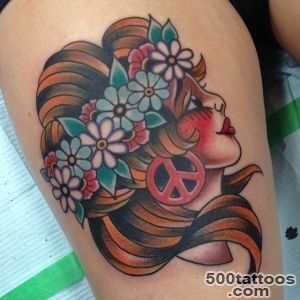
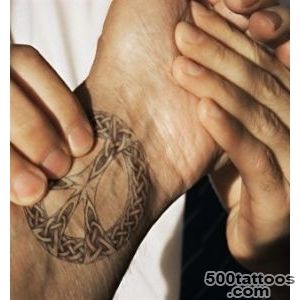
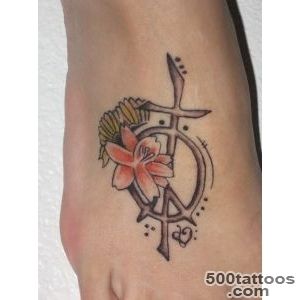
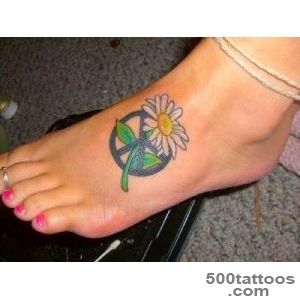
The peace sign is the most universal hippie icon, immediately readable and endlessly adaptable in size and style.
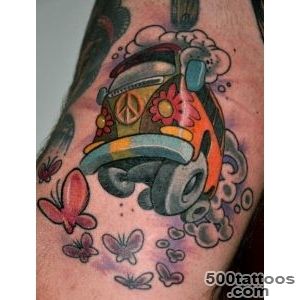
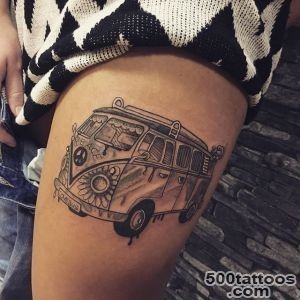
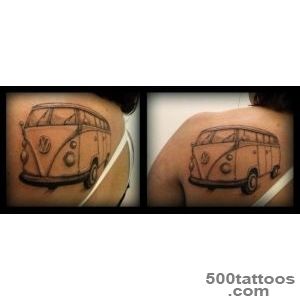
A VW bus, usually a Type 2 Microbus, represents nomadic freedom, road trips, and the idea that home is wherever you park it.
Sunflowers, daisies, and wildflower bouquets stand for natural beauty, growth, and the rejection of artificial perfection.
The yin-yang symbol crosses into hippie art through its association with balance, harmony, and Eastern philosophy.
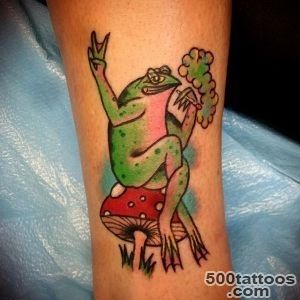
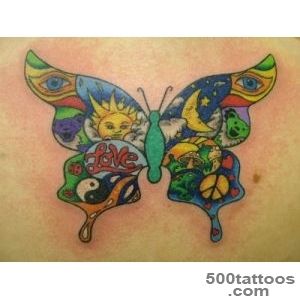
Mushrooms, eyes, and fractal patterns reference the psychedelic side of the movement, where expanded perception was a core value.
Connecting the era to music culture
Music was the heartbeat of the hippie movement, and references to Woodstock, vinyl records, or musical instruments ground the tattoo in that specific historical moment.
Guitar silhouettes, especially acoustic ones, evoke campfire gatherings and spontaneous jam sessions.
Lyrics or band names in retro typography can personalize the design while keeping the vintage feel.
Combining a music reference with flowers or peace signs creates a layered composition that tells a fuller story.
Style and color approaches
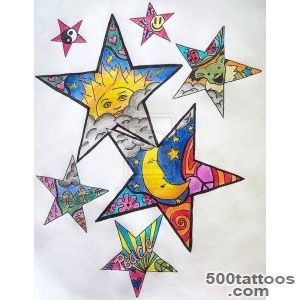
Tie-dye color gradients, spiraling from a center point, create a psychedelic backdrop that can frame any central icon.
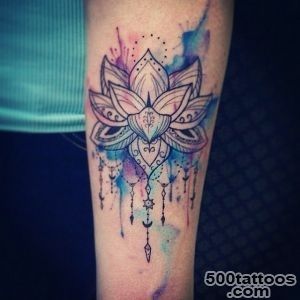
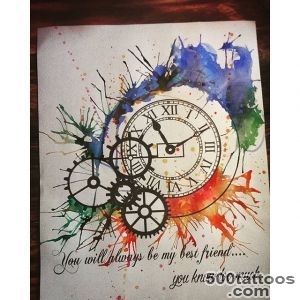
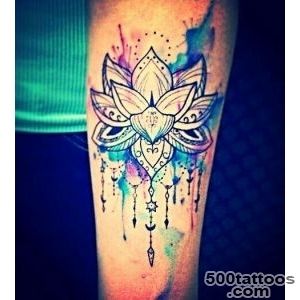
Watercolor techniques suit the loose, flowing aesthetic of hippie art, where hard edges are rare.
Bright, saturated palettes with oranges, purples, yellows, and greens capture the era's visual exuberance.
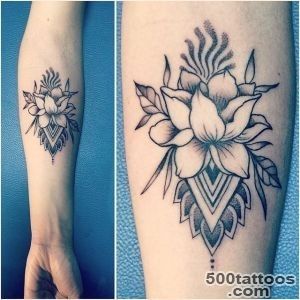
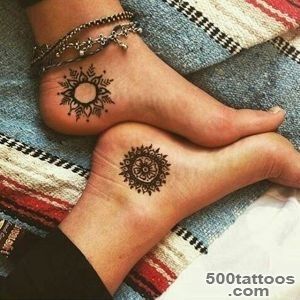
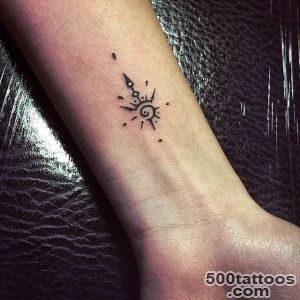
For a subtler take, fine-line blackwork versions of peace signs or flowers keep the symbolism without the color commitment.
Retro bubble lettering or art nouveau curves add period-appropriate typography to phrases like "peace" or "love."
Placement ideas for hippie tattoos
Forearms are ideal for visible, daily reminders, like a small peace sign, a daisy chain, or a single word in vintage script.
The upper arm and shoulder suit larger compositions that combine multiple icons into a cohesive scene.
Ankle and calf tattoos work for wrapping vine or flower chain designs that follow the leg.
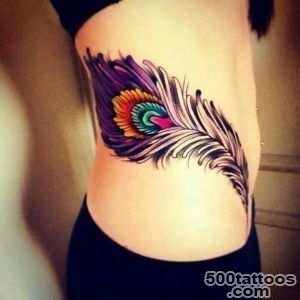
The ribcage or side torso provides a tall canvas for vertical compositions like a sunflower growing upward.
Making it personal without cliche
The risk with hippie tattoos is that familiar symbols can feel generic if they are not tied to a specific personal connection.
Adding a date, a set of coordinates, or a lyric that changed your perspective turns a symbol into a story.
Choose one or two icons that genuinely resonate rather than packing every counterculture reference into a single piece.
A focused, well-composed hippie tattoo says more than a collage of every 1960s symbol stacked together.
Hippie tattoo designs and images