Hummingbird tattoo
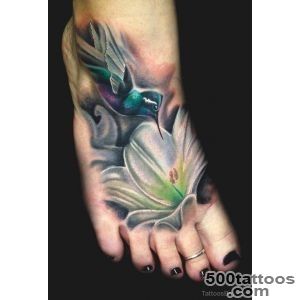
Hummingbird tattoos capture a creature that weighs less than a coin yet beats its wings up to eighty times per second, making it a natural symbol for energy, precision, and doing extraordinary things on a small scale.
The bird's iridescent feathers shift color depending on the angle of light, which gives tattoo artists an opportunity to play with color theory in ways that few other subjects allow.
People choose hummingbird designs to represent joy, resilience, or the sweetness of chasing what matters most.
Symbolism and personal meaning
In Central and South American traditions, the hummingbird is a messenger between the living and the spiritual world, carrying prayers and blessings.
In Caribbean folklore, the tiny bird represents love, and seeing one near your home is considered a sign of good fortune.
Modern tattoo wearers often connect the hummingbird to perseverance, because the bird must eat constantly to survive and never stops moving forward.
Some choose it to mark a period of recovery, viewing the bird as proof that strength does not require size.
Others simply love the animal and want a design that celebrates movement, color, and the natural world.
Pairing hummingbirds with flowers
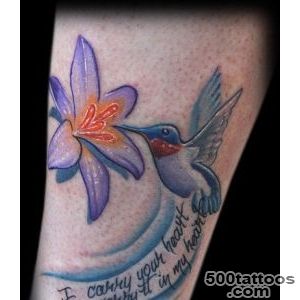
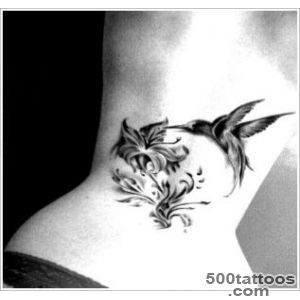
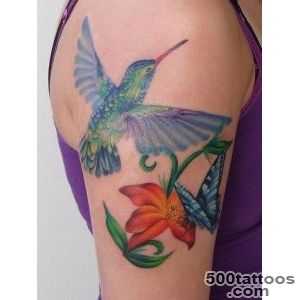
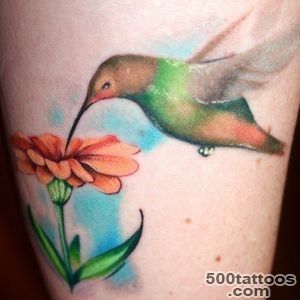
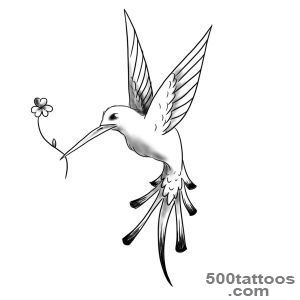
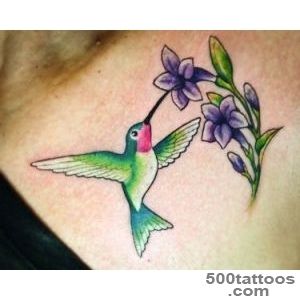
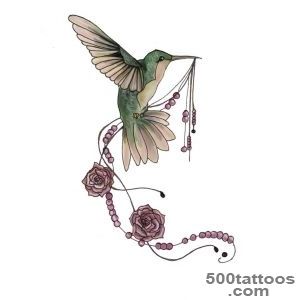
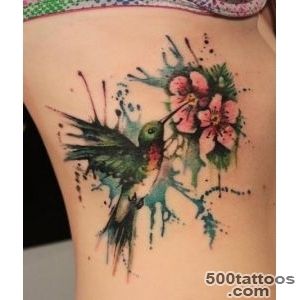
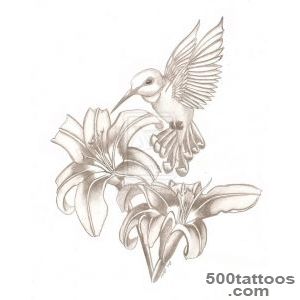
A hummingbird hovering beside a single bloom is the most popular composition because it mirrors the bird's natural behavior.
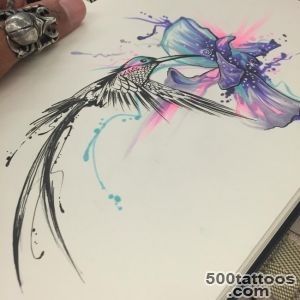
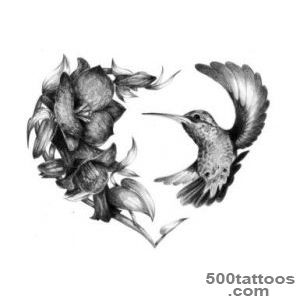
Trumpet-shaped flowers like honeysuckle or morning glory match the bird's feeding posture and create a visual arc between beak and petal.
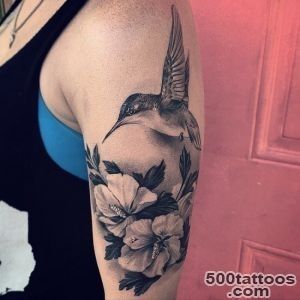
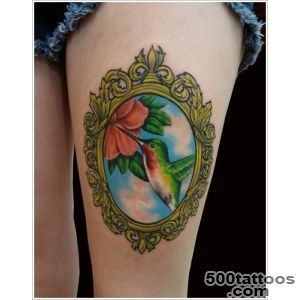
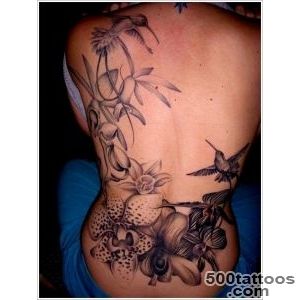
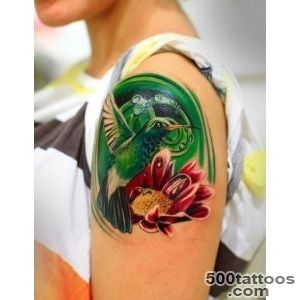
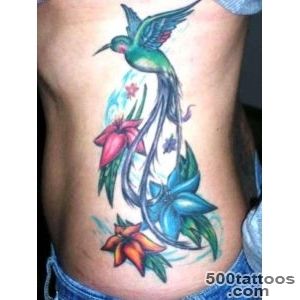
Hibiscus, plumeria, and orchids add tropical warmth and wider petal shapes that balance the bird's small body.
Trailing vines or scattered petals behind the bird suggest motion, as if it just arrived or is about to dart away.
Keep the flower slightly muted if you want the bird to be the star; equally vivid colors on both elements can compete for attention.
Color techniques that mimic iridescence
Real hummingbird feathers are not pigmented; they reflect light through microscopic structures, which is why the color shifts with viewing angle.
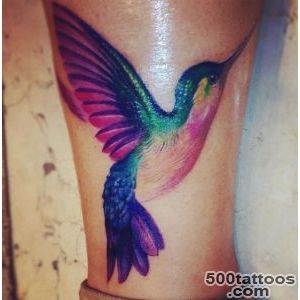
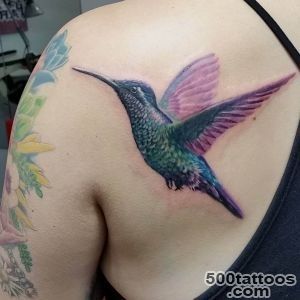
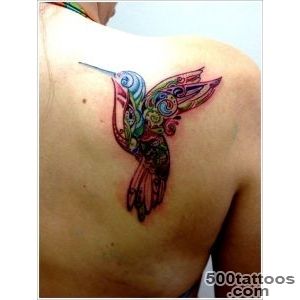
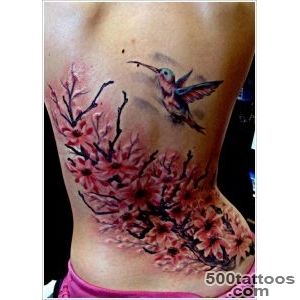
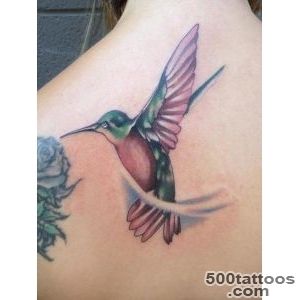
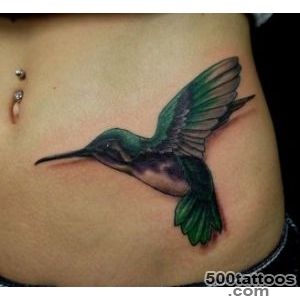
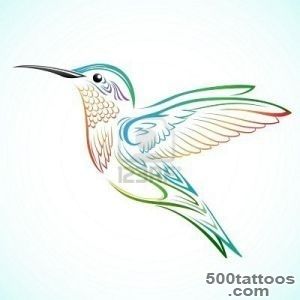
A skilled tattoo artist can suggest this effect by layering green, blue, and violet tones with smooth transitions and strategic highlights.
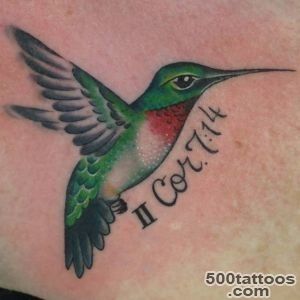
Placing a white or light yellow highlight on the throat and chest mimics the flash of color that appears when the bird turns.
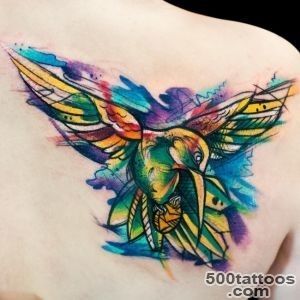
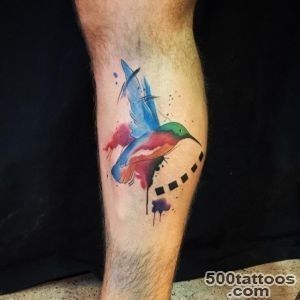
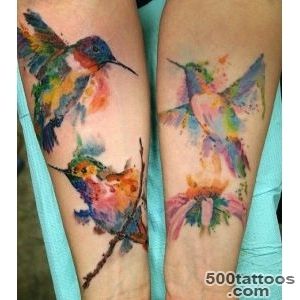
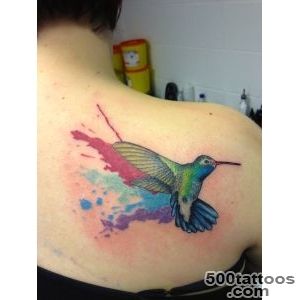
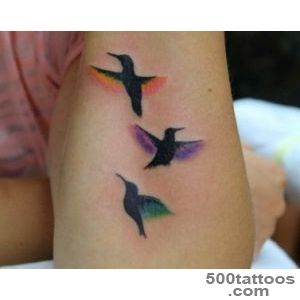
Watercolor splashes behind the bird add energy and color variation that reinforce the idea of constant motion.
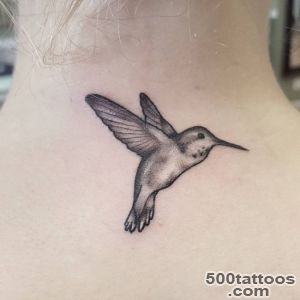
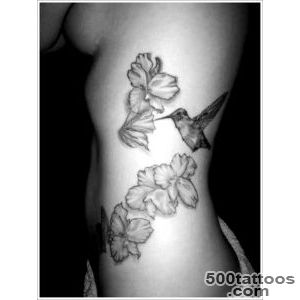
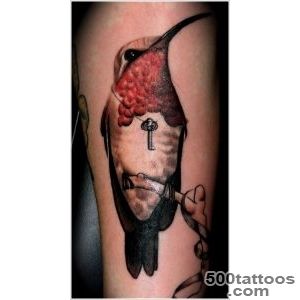
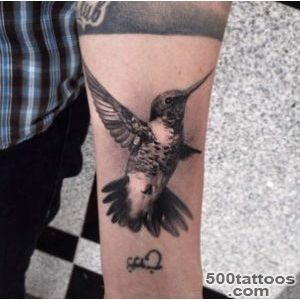
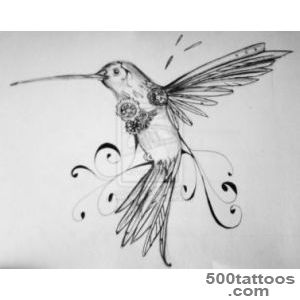
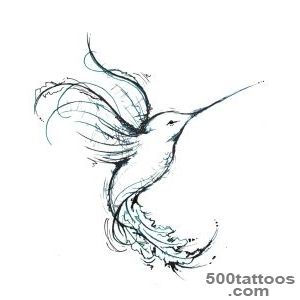
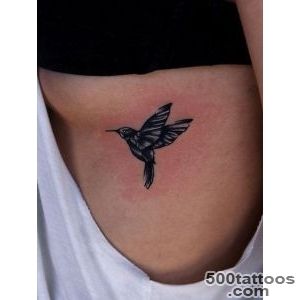
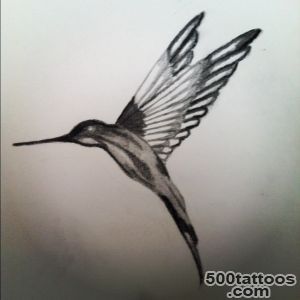
Black and grey hummingbird tattoos trade the color drama for sharp contrast and detailed feather texture, which can be equally striking.
Pose and composition
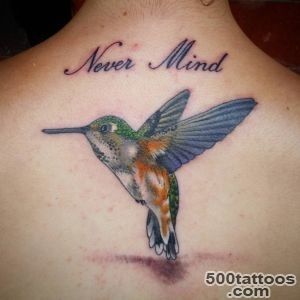
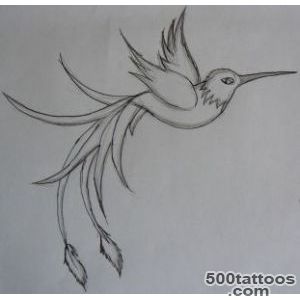
A mid-hover pose with spread wings is the most dynamic option and shows the full span of the bird's body.
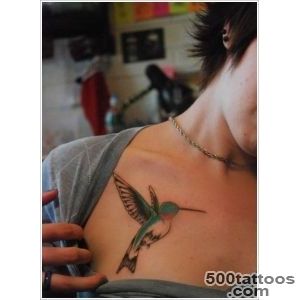
A side profile with wings pulled back feels more streamlined and fits narrow placements like the forearm or collarbone.
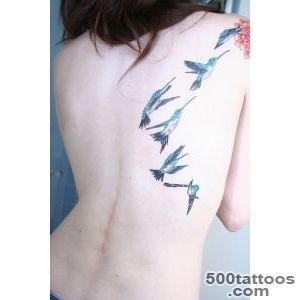
Two hummingbirds facing each other create a mirror composition that works beautifully across the chest or upper back.
Adding a subtle motion blur or speed lines behind the tail gives the tattoo kinetic energy even on still skin.
Placement and size considerations
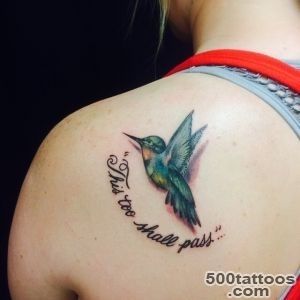
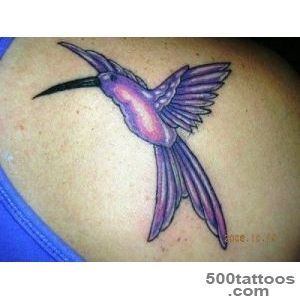
The shoulder blade and upper arm are popular because they offer enough space for wing detail and a supporting flower.
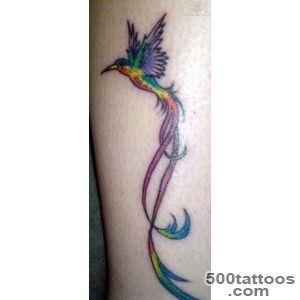
Forearms work for medium-sized designs, especially side-profile poses that follow the length of the arm.
Behind the ear or on the wrist, a micro hummingbird can work, but expect to sacrifice feather detail for overall shape clarity.
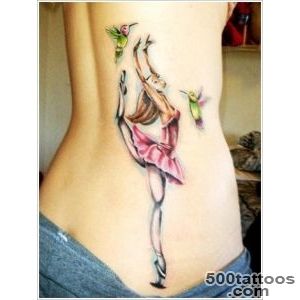
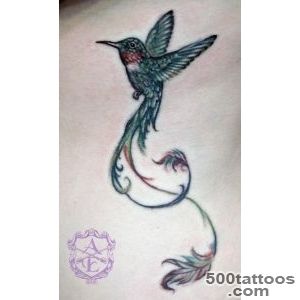
Ribcage placements allow a vertical flight pose that stretches from hip to armpit, giving the bird a full sense of scale.
Because color tattoos fade faster on frequently exposed areas, consider a spot that gets moderate sun rather than constant direct exposure.
Hummingbird tattoo designs and images