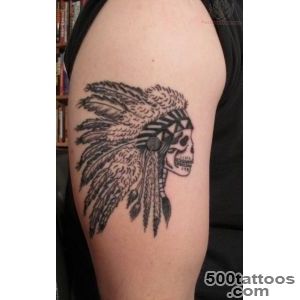
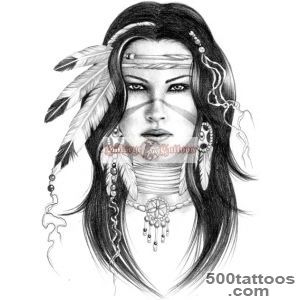
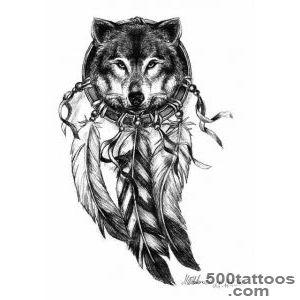
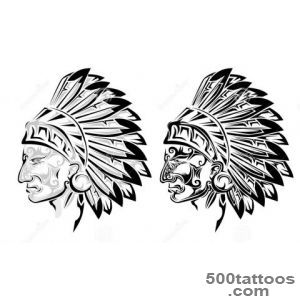
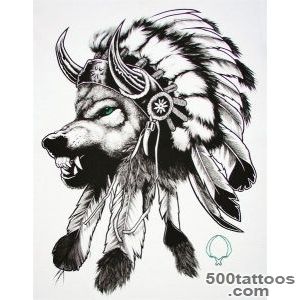
Indian tattoos
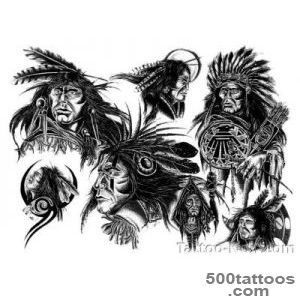
Indian tattoos reflect one of the world's oldest and most visually rich cultural traditions. From Hindu deities and sacred geometry to henna-inspired patterns, Indian tattoo designs carry layers of spiritual meaning and artistic beauty that translate powerfully into permanent ink.
Hindu gods and spiritual figures
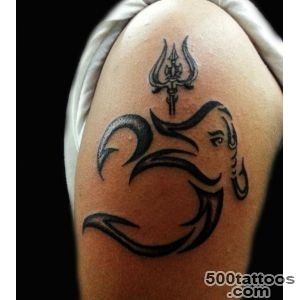
Ganesha, the elephant-headed god of wisdom and new beginnings, is one of the most popular Indian tattoo subjects. Shiva, often shown in his Nataraja (dancing) form, represents destruction and renewal. Krishna is associated with love and devotion, while Kali embodies fierce protection and transformation. Buddha, though originating in Indian tradition, carries universal themes of peace and enlightenment. These figures work best as detailed, respectful portraits that honor the traditional iconography.
Henna-inspired patterns
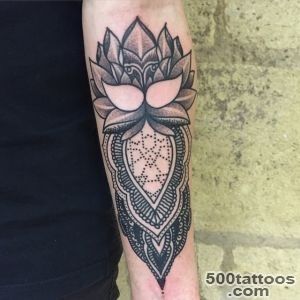
Mehndi (henna) designs have inspired a category of tattoos that use flowing, ornamental patterns such as paisleys, mandalas, vines, and dot clusters. These patterns suit wrapping placements like the hand, forearm, or foot. In permanent tattoo form, they translate best in fine-line or blackwork styles that preserve the intricate detail and keep the composition readable over time.
Sacred symbols
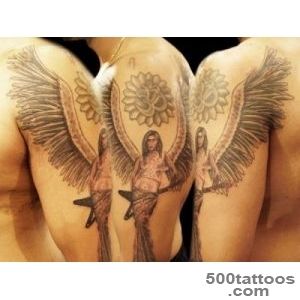
The Om symbol represents the fundamental vibration of the universe. The lotus flower signifies purity and spiritual awakening. Mandalas, which are circular geometric patterns, symbolize wholeness and meditation. The third eye (Ajna) relates to intuition and higher perception. These symbols can stand alone or be combined into larger spiritual compositions that carry deep personal meaning.
Respectful design approach
Indian imagery carries deep religious and cultural significance. Avoid placing sacred figures like gods or the Om symbol below the waist, as this is considered disrespectful in Hindu tradition. Research the specific symbolism of each element you choose, and work with an artist who understands the visual language and proportions of Indian art to ensure the result is both beautiful and respectful.
Style and placement
Realism and neo-traditional styles work well for deity portraits. Ornamental and geometric styles suit mandala and pattern-based designs. The upper arm, back, and chest provide room for detailed god figures. The forearm and wrist suit smaller symbols like Om or a lotus. Henna-style wraps look natural on the hand and forearm where the mehndi tradition originally places them.
Indian tattoos designs and images