Invisible tattoos
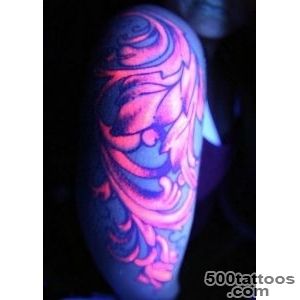
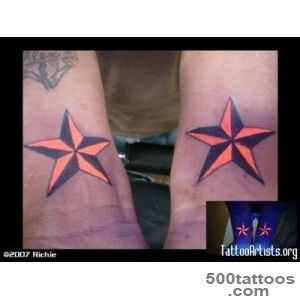
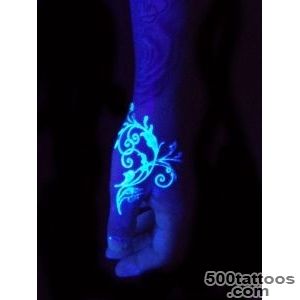
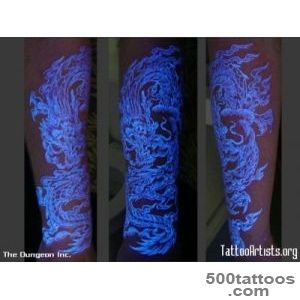
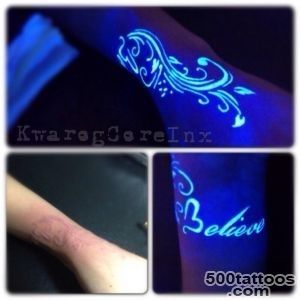
Invisible tattoos, often called UV or blacklight tattoos, use special ink that stays nearly hidden under normal light and glows brightly under ultraviolet light. They appeal to people who want a tattoo that only reveals itself in specific settings, like a nightclub, a party, or a private moment with a UV flashlight.
How invisible ink works
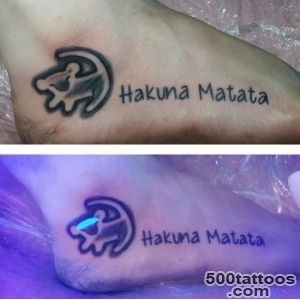
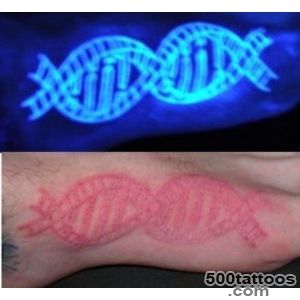
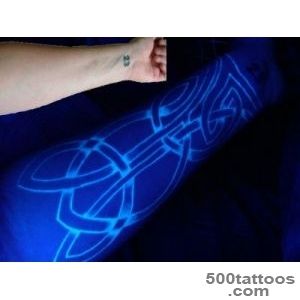
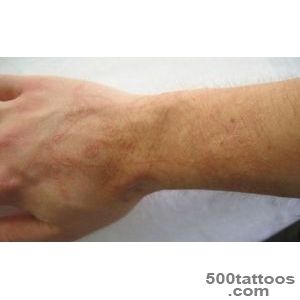
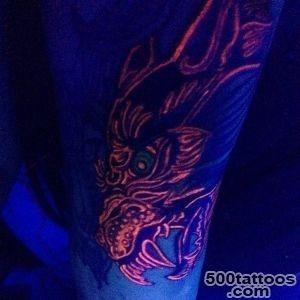
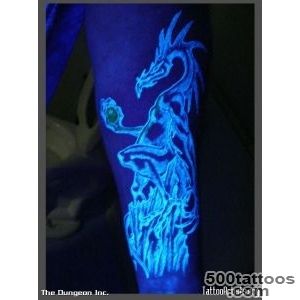
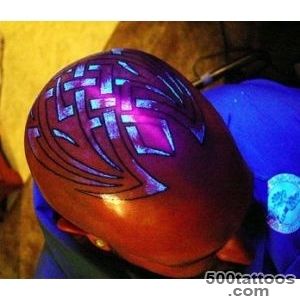
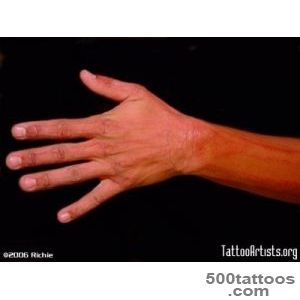
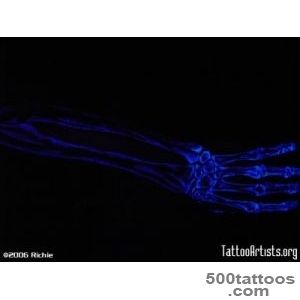
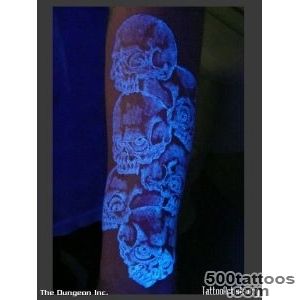
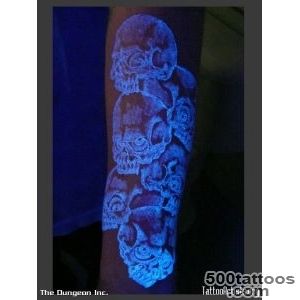
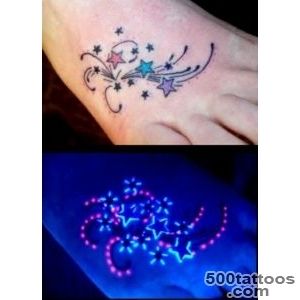
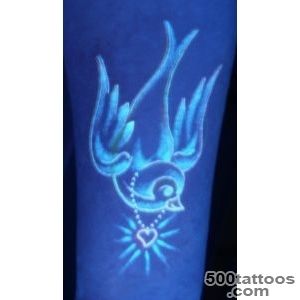
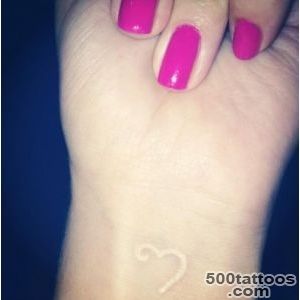
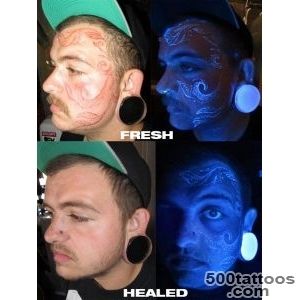
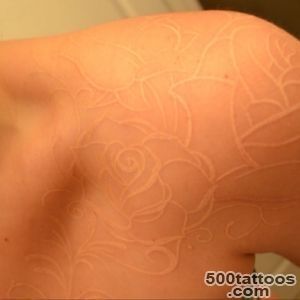
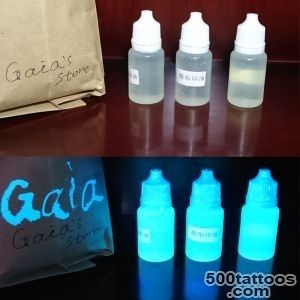
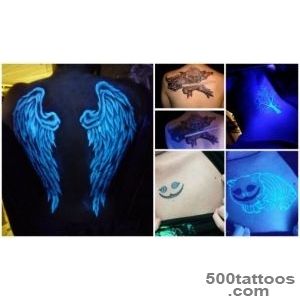
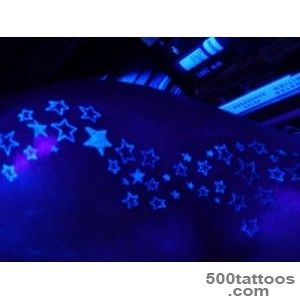
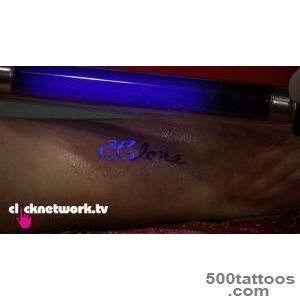
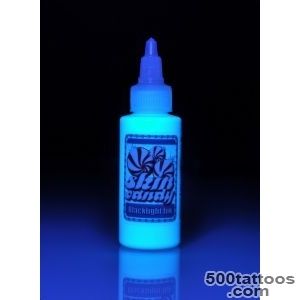
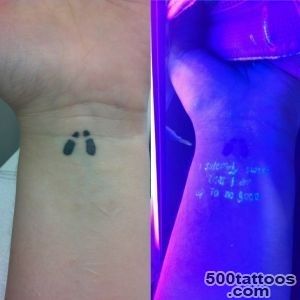
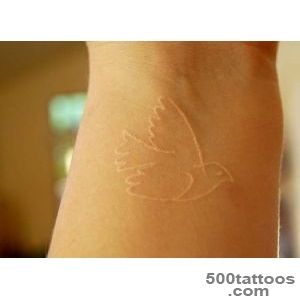
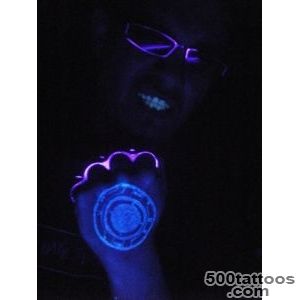
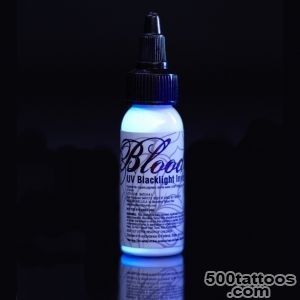
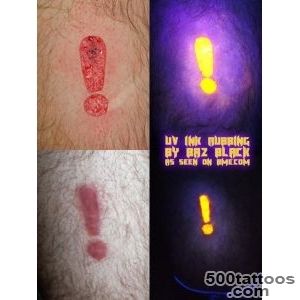
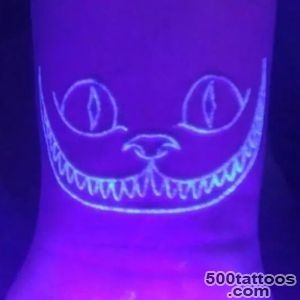
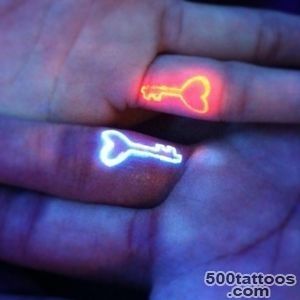
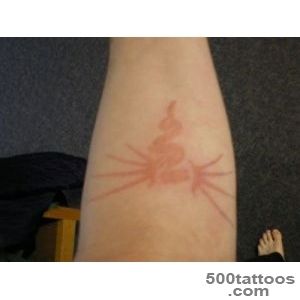
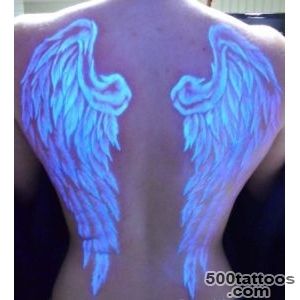
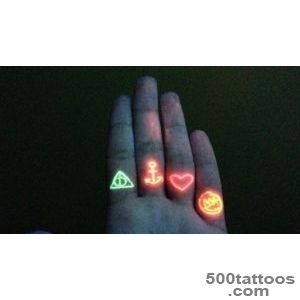
UV-reactive tattoo ink contains fluorescent compounds that absorb ultraviolet radiation and re-emit it as visible light. Under regular daylight or indoor lighting the pigment blends with your skin tone and appears as a faint outline or stays almost completely invisible, depending on your skin shade and the ink formula used. Under a UV lamp the design glows brightly in vivid neon colors such as blue, green, pink, orange, or white.
Safety and ink quality
Early UV inks had a reputation for containing phosphorus, but reputable modern formulas are phosphorus-free and have passed basic safety screenings. Still, not all UV inks are equal: ask your artist which brand they use, look for inks that have been independently tested, and confirm that the studio follows standard sterilization protocols. Some people experience slightly more sensitivity or longer healing compared to conventional ink, so a patch test can be a reasonable precaution if you have reactive skin.
Design ideas and combinations
A popular approach is layering UV ink on top of a traditional tattoo so the design transforms under blacklight. A black rose that gains neon-pink petals, or a geometric sleeve that reveals hidden linework, can surprise and delight in the right setting. Standalone UV designs work well for small symbols, constellations, or text that you want to keep private. Minimalist and fine-line styles translate especially well because the glow effect handles simple shapes more cleanly than heavy shading.
Placement and aftercare
Lighter skin tones tend to show UV tattoos less in daylight, which maximizes the hidden effect. Common placements include the inner wrist, the back of the neck, the forearm, and the ankle. Aftercare follows the same basics as a regular tattoo: keep the area clean, moisturize gently, avoid sun exposure during healing, and skip submerging the tattoo in water until the skin has fully recovered.
Invisible tattoos designs and images