Kanji tattoo
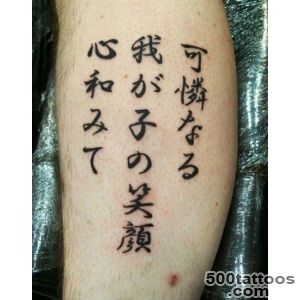
Kanji tattoos use Japanese characters to express an idea, value, or personal name. Because a single symbol can have multiple readings, accuracy and context matter more than style alone.
A well-chosen character looks clean, ages well, and carries a clear message without a lot of visual noise.
Kanji tattoo meanings and common themes
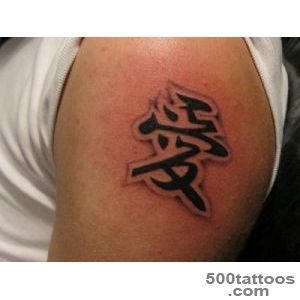
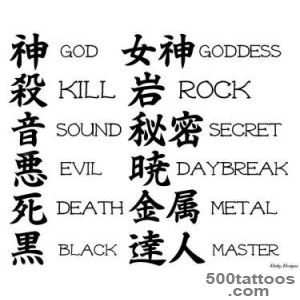
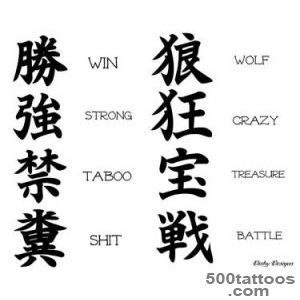
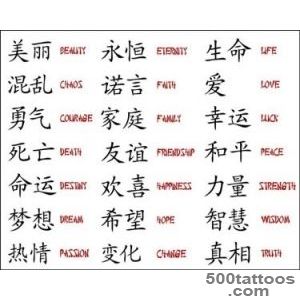
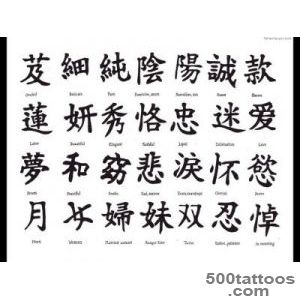
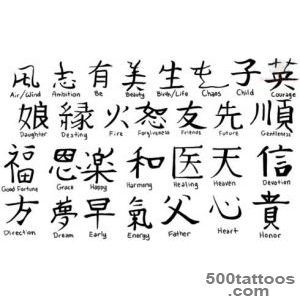
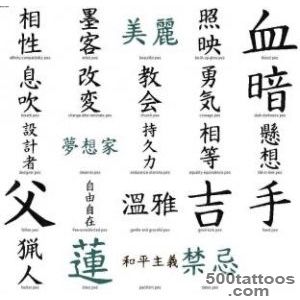
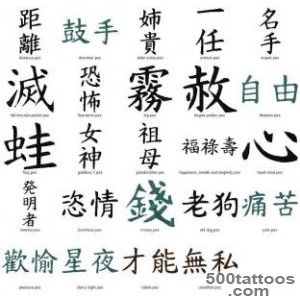
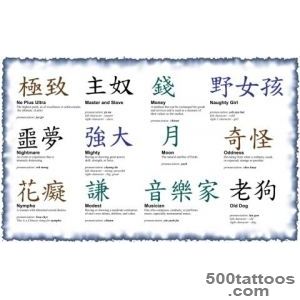
Popular themes include strength, love, courage, harmony, family, or a life motto. Some people choose a surname or a short phrase, but a single character often reads cleaner.
Think about the emotion you want to communicate and choose a character that matches that feeling rather than a direct word-for-word translation.
How to choose accurate kanji characters
Verify the exact character with a native reader or a reputable reference, not a machine translator. Small differences in strokes can change meaning or make the character look incorrect.
Check whether you want traditional or simplified forms, and confirm that the character is commonly used in the context you intend.
Design styles and layout
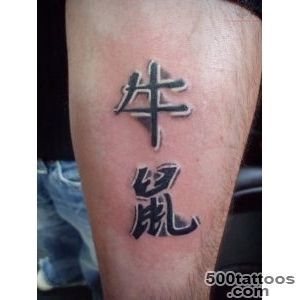
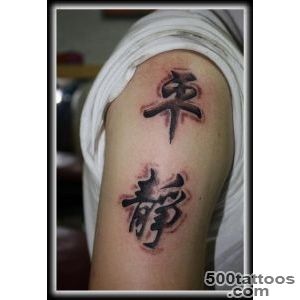
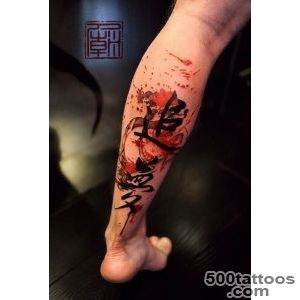
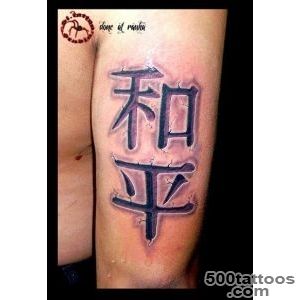
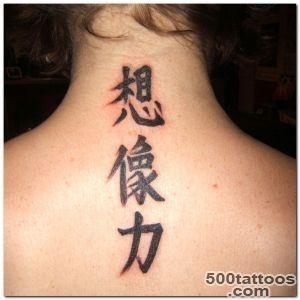
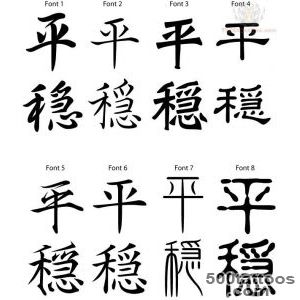
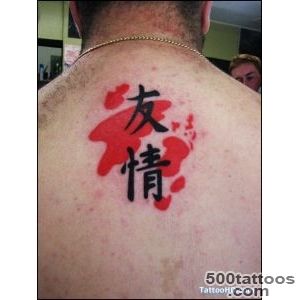
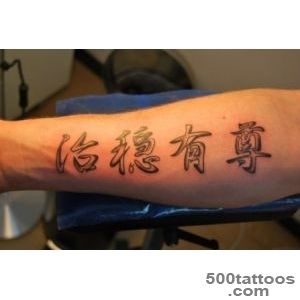
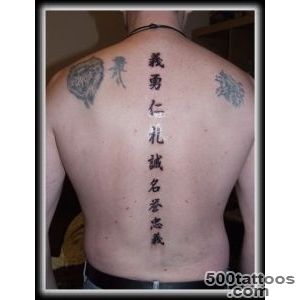
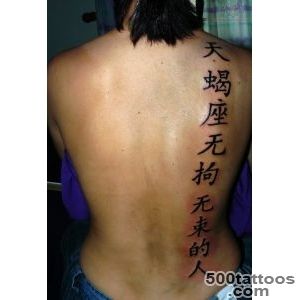
Kanji can be brushed in calligraphy, rendered as bold blackwork, or blended into a larger piece. Vertical layouts feel traditional, while horizontal lines can fit ribs, collarbones, or forearms.
Leave enough negative space around the strokes so the character stays crisp over time.
Placement, size, and readability
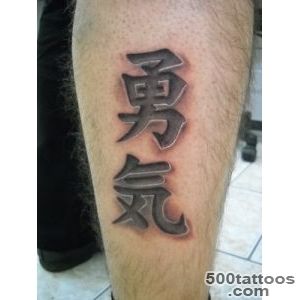
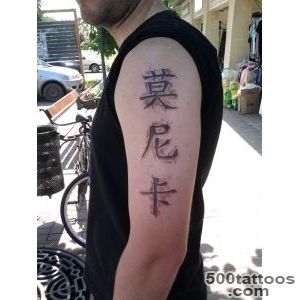
Fine characters need room for clean strokes, so tiny sizes can blur during healing. Forearms, calves, spine, and upper back keep the lines readable and straight.
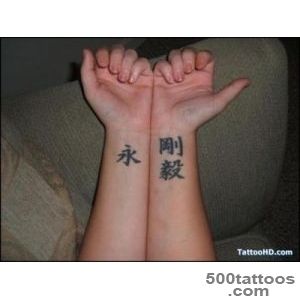
Curved areas like the wrist or ankle may require extra spacing so the strokes do not pinch or warp.
Kanji tattoo ideas and combinations
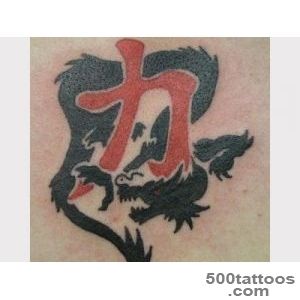
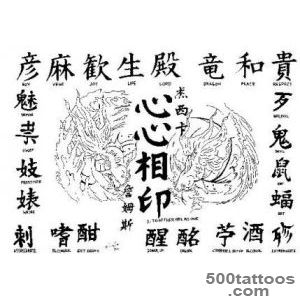
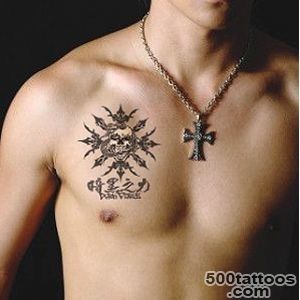
Pair a character with a seal stamp, waves, or a simple border, or combine two related symbols for balance. Keep the overall composition uncluttered so the character remains the focus.
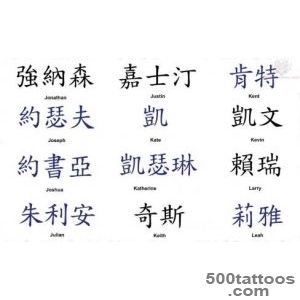
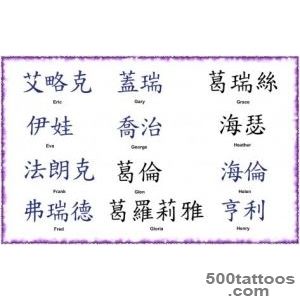
If you want to include a name, consider subtle placement or a smaller secondary line to preserve readability.
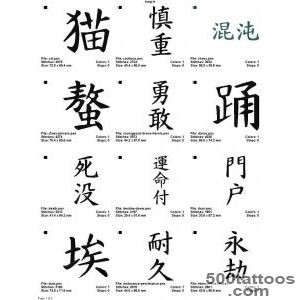
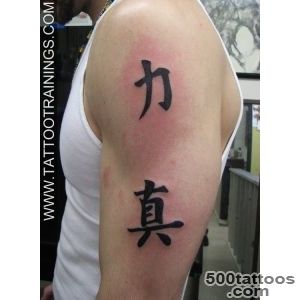
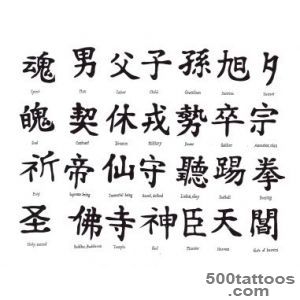
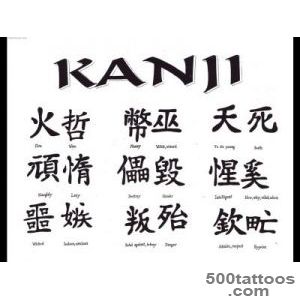
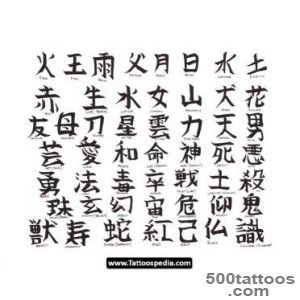
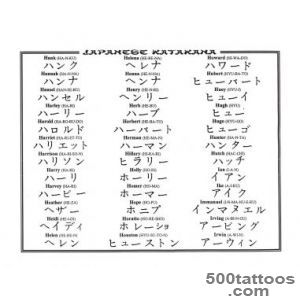
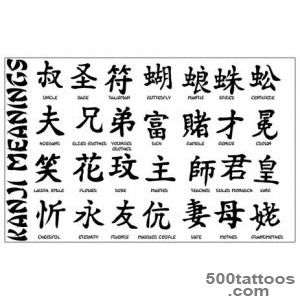
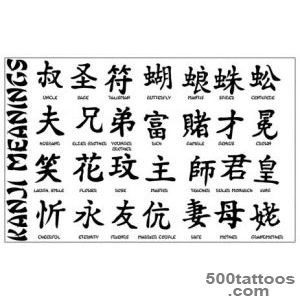
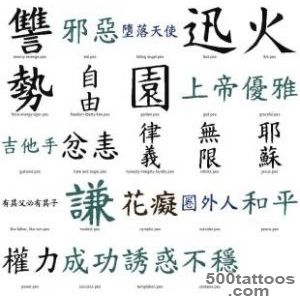
Kanji tattoo designs and images