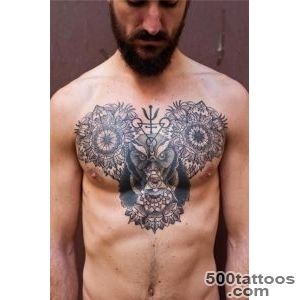
Male tattoo
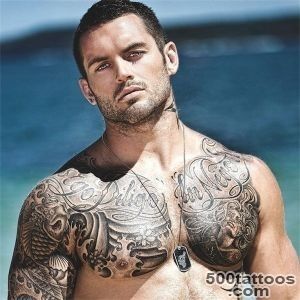
Choosing a design that feels genuinely personal is more important than following a trend, and the best masculine ink tends to reflect something real about the person wearing it, whether that is a value, a memory, or an aesthetic they have been drawn to for years.
Sleeve Concepts and Arm Compositions
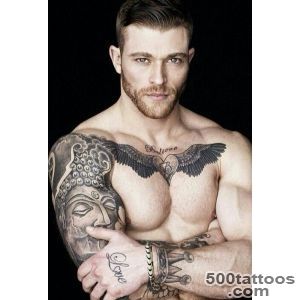
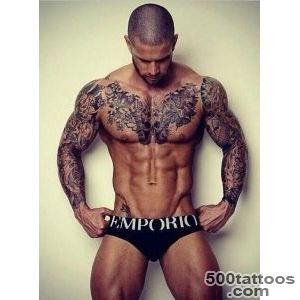
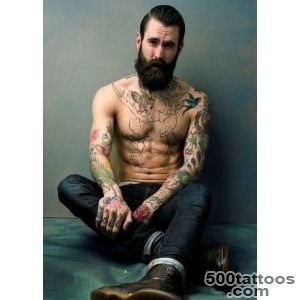
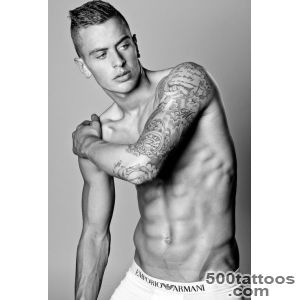
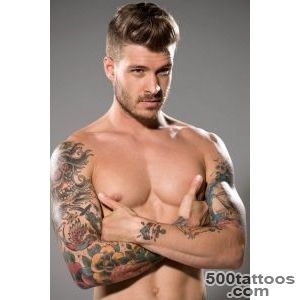
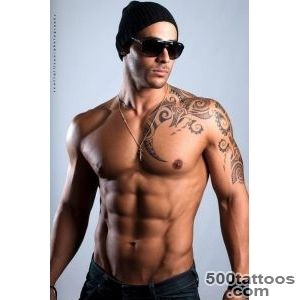
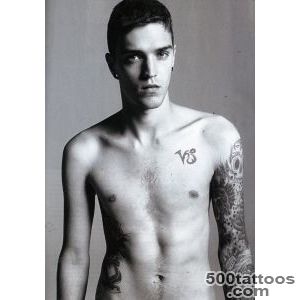
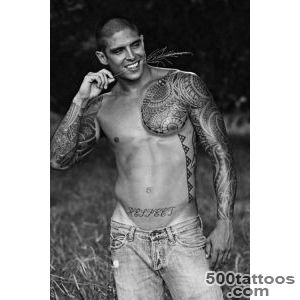
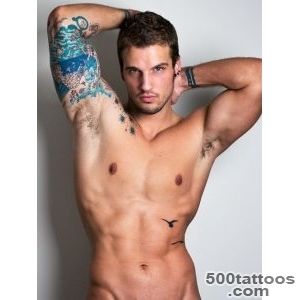
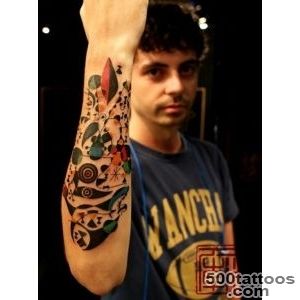
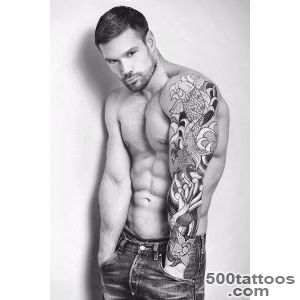
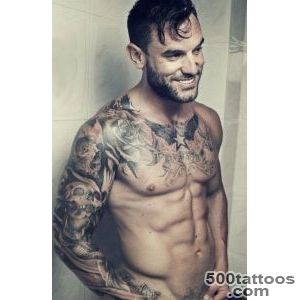
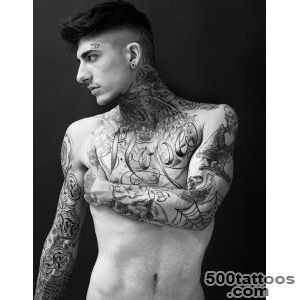
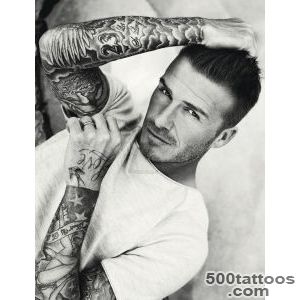
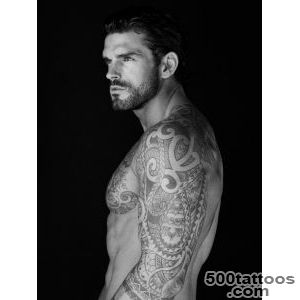
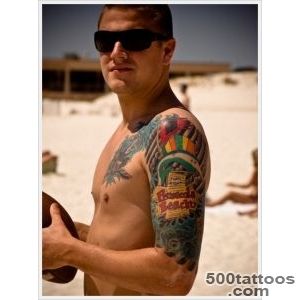
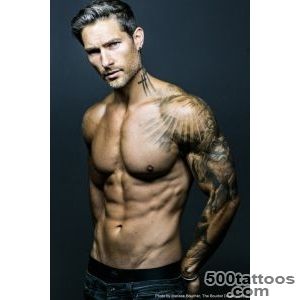
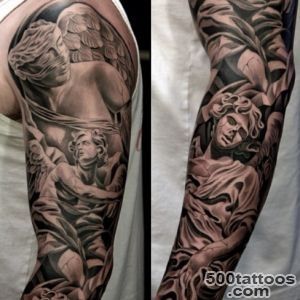
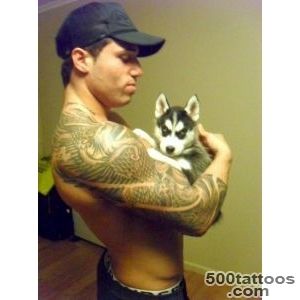
A full sleeve lets you build a narrative from shoulder to wrist, layering symbols, scenes, and textures into a cohesive visual story. Half-sleeves offer a more contained canvas that still allows for rich detail, and quarter-sleeves on the upper arm strike a balance between visibility and easy concealment under a short shirt. Planning the overall flow with your artist before starting prevents a patchwork look later.
Popular Symbols and What They Communicate
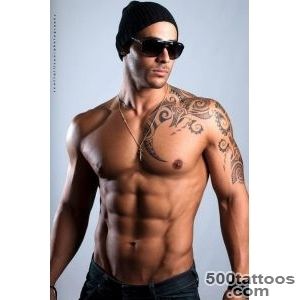
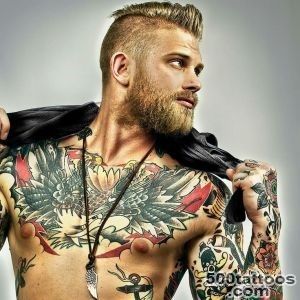
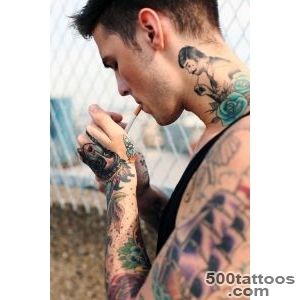
Lions, wolves, eagles, skulls, compasses, and geometric patterns remain consistently popular because they carry clear visual weight and scale well across different body areas. Clocks paired with roses reference the passage of time, anchors suggest stability, and script or coordinates tie the piece to a specific person or place. The strength of any symbol lies in how honestly it connects to your story.
Chest, Back, and Torso Placements
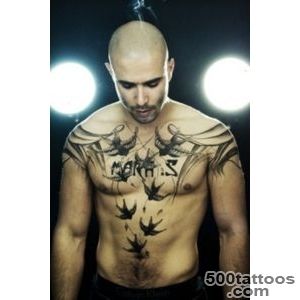
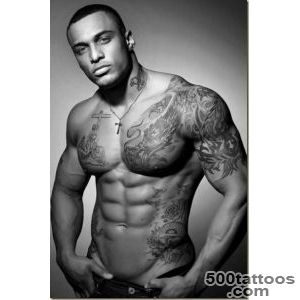
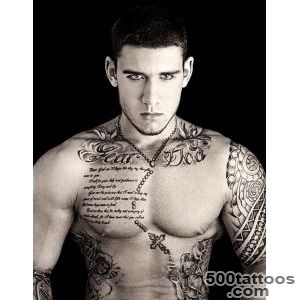
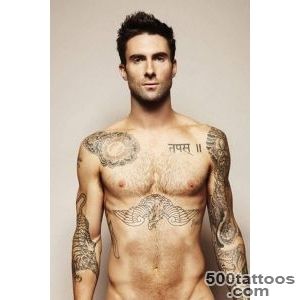
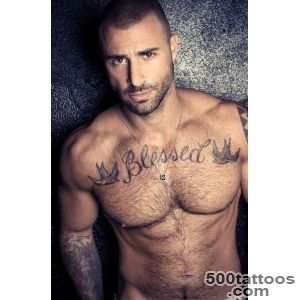
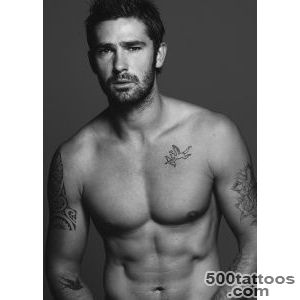
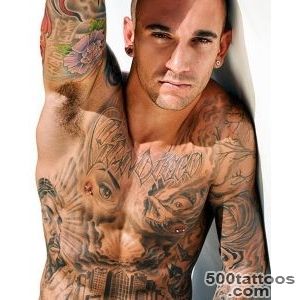
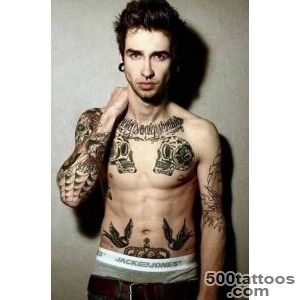
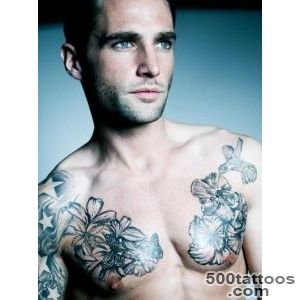
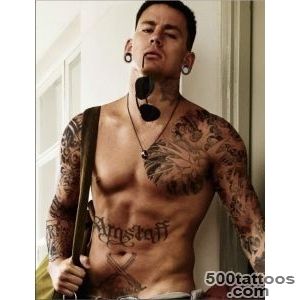
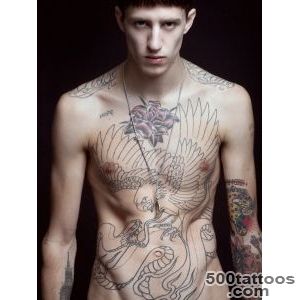
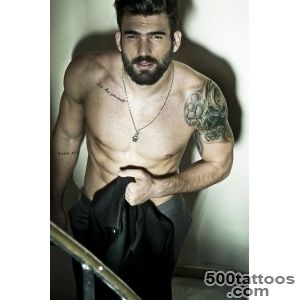
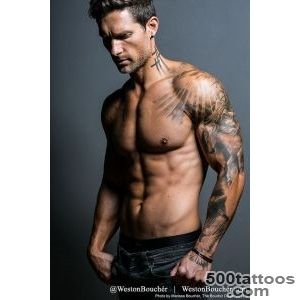
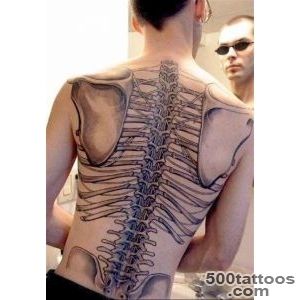
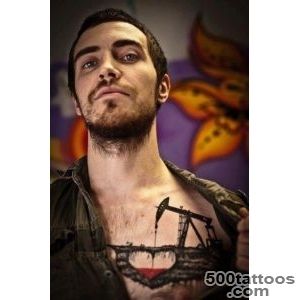
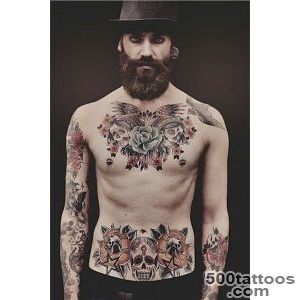
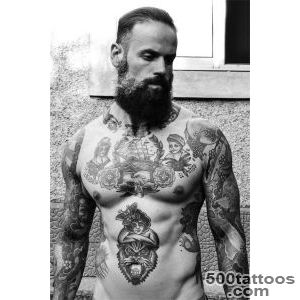
The chest gives a symmetrical canvas ideal for centered designs like eagles, crests, or script across the collarbones. A full back piece is the largest uninterrupted surface on the body and suits dramatic scenes, Japanese-style panels, or detailed portraits. The ribcage offers a more private option but comes with higher sensitivity, so plan for a longer session with breaks.
Practical Considerations Before the Session
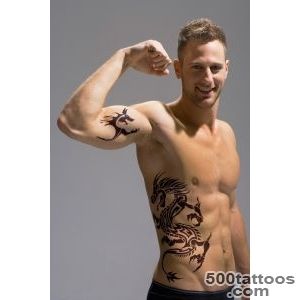
Think about career context, pain tolerance, and how pieces will connect if you plan to add more later. Starting with a placement that can stand alone but also expand, like the upper arm, gives you flexibility. Arrive well-rested, hydrated, and with a clear concept so the session runs smoothly from the first line.
Male tattoo designs and images